
Fire Rebuild
Post-Fire Erosion Control & Debris Flow Permits for LA Rebuilds
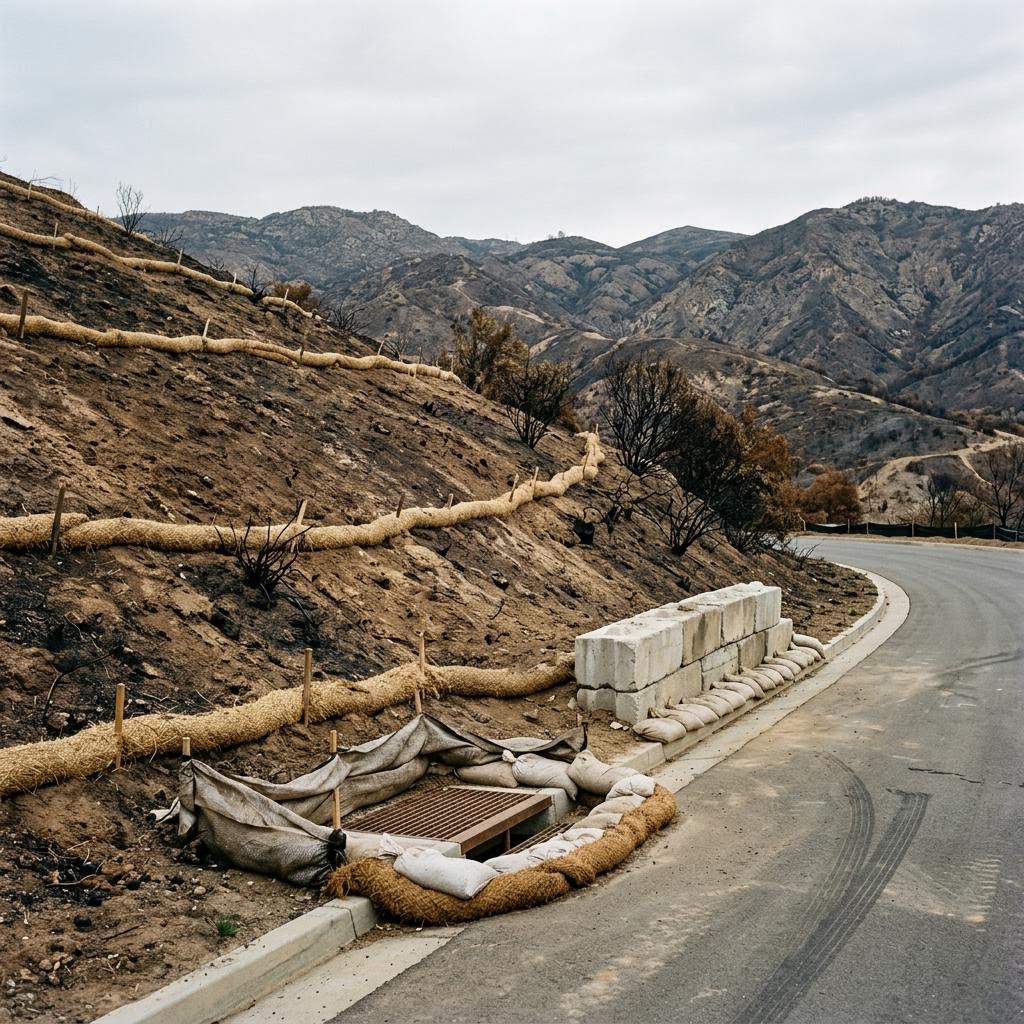
Separate County and City grading, temporary erosion controls, state stormwater coverage and permanent LID relief before rebuilding a burned hillside lot.
October 22, 2026

Straight-talk guidance on getting permits approved in Los Angeles and across California. We write about what actually happens at the counter — how to permit an ADU, what a tenant improvement really involves, how to avoid the corrections that stall projects, and how to rebuild after disaster in areas like Pacific Palisades and Altadena. If you're a homeowner, architect, or contractor trying to understand the permit process, start here.
Reader Favorites
A few guides worth starting with: our breakdown of the Adaptive Reuse Ordinance for converting older commercial buildings, what the SB 721 / SB 326 balcony inspection law means for multifamily owners, and how a basement conversion ADU permit actually gets approved. On the smaller-scope side, we cover reroofing permits, patio covers, pergolas, and gazebos, driveway and curb cut encroachment permits, and short-term rental and home-sharing permits.
Also Worth Reading
A handful of narrower questions come up often enough to deserve their own guide. If a tree on your lot is protected under LA's ordinance, our protected tree removal permit guide covers the arborist report and replacement requirements. For accessibility upgrades, we explain when an elevator or wheelchair lift needs a full building permit, and for fuel storage, how an above-ground propane tank gets sited and approved. We also cover the line between a routine repair and a permitted window, door, or skylight replacement, what qualifies as a nonconforming use or structure under LA's zoning code, and — for anyone weighing a smaller backyard project — what permit a patio cover, pergola, or gazebo actually requires. On the commercial side, we get similar questions about grocery store and supermarket permits and, for families displaced by the 2025 fires, about temporary housing and RV permits. We've also published honest comparisons against other permit-tech platforms, including our PermitFlow vs. Pulley breakdown and our Ocean Permits vs. GreenLite comparison. On the compliance side, we cover asbestos survey and SCAQMD Rule 1403 notification requirements before demolition, and the commercial kitchen hood and grease interceptor permit that comes with most restaurant build-outs.
Separate County and City grading, temporary erosion controls, state stormwater coverage and permanent LID relief before rebuilding a burned hillside lot.
Separate state authorization from LA City and County adoption status, then examine condominium maps, lender consent, HOA requirements and ADU feasibility.
Separate City noise-variance review from County rebuilding hours, and coordinate written work-hour conditions before scheduling an extended shift.
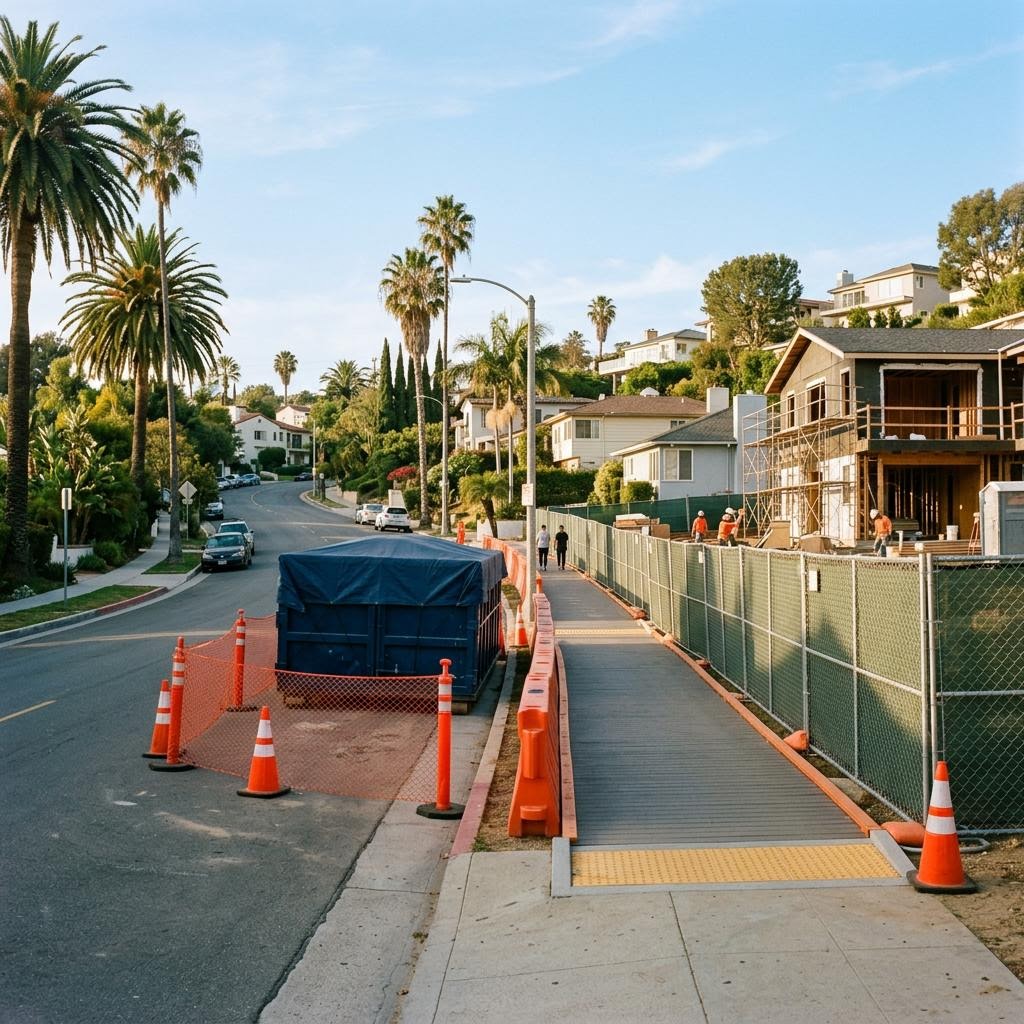
Understand StreetsLA building-materials permits, BOE A/B improvement permits and LADOT traffic-control review for construction staging and pedestrian access.
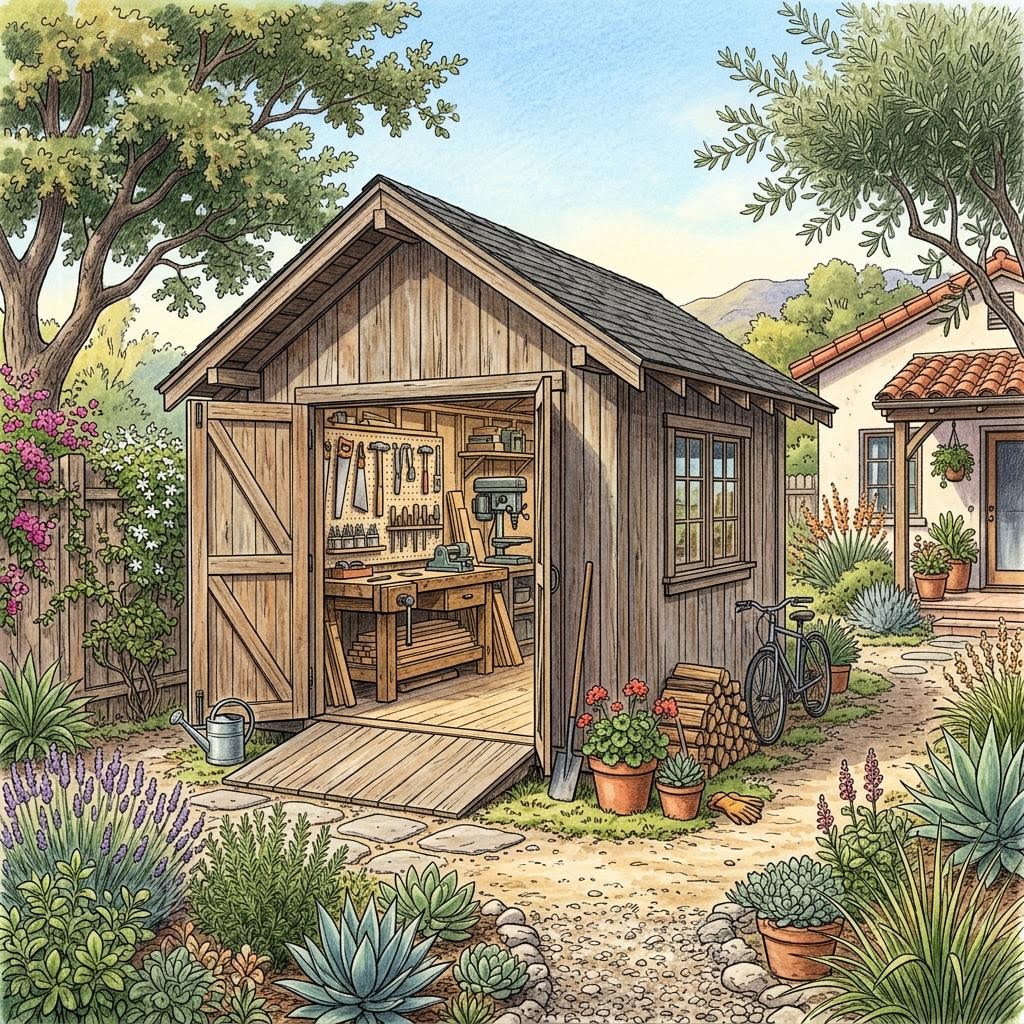
Understand the 120 sq ft County exception, City LADBS requirements, zoning setbacks, utility permits and the difference between a storage shed and an ADU.
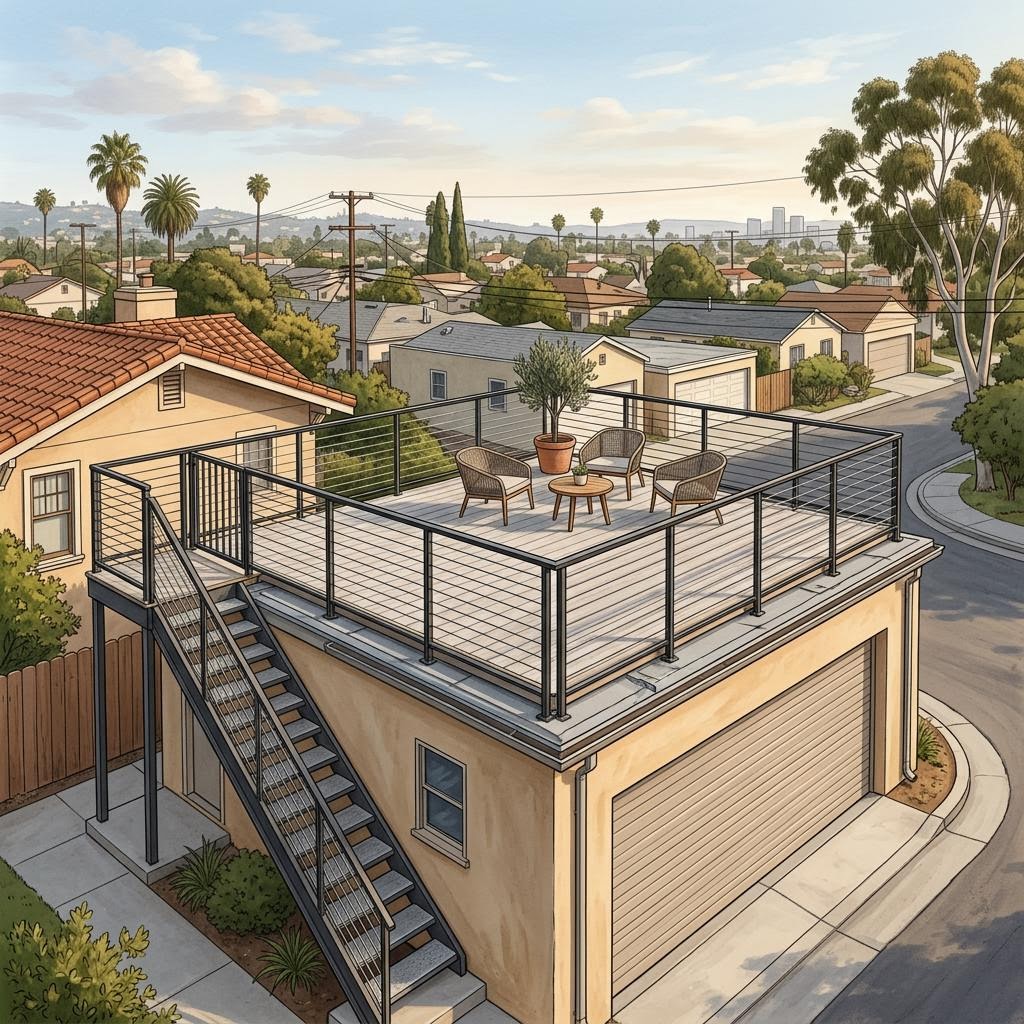
Structural loads, guardrails, stairs, waterproofing and LADBS review for occupied roof decks on garages, ADUs and homes, including City and County fire-rebuild considerations.
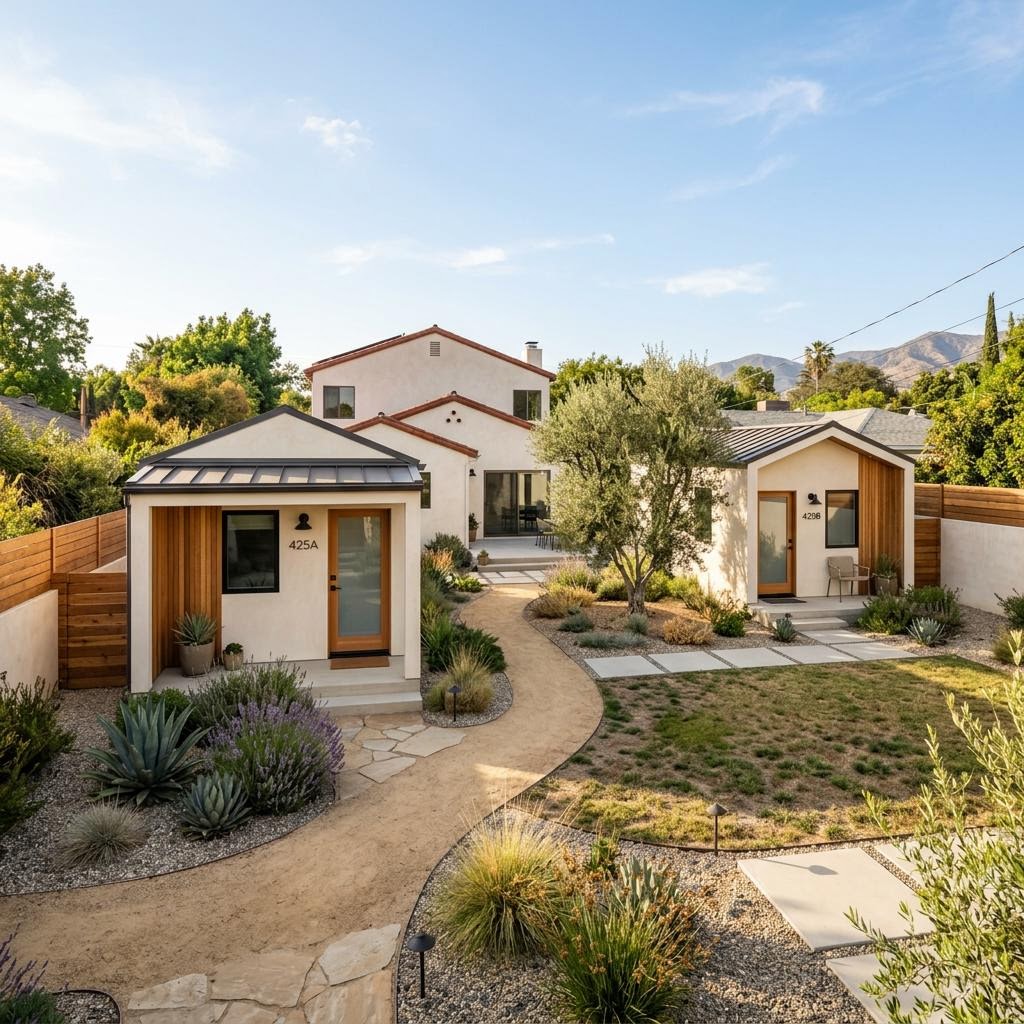
Signed September 29, 2026 and effective January 1, 2027: how AB 956 changes two-detached-ADU approvals, HOA protections, unit-size limits, JADUs, and Los Angeles permit planning.
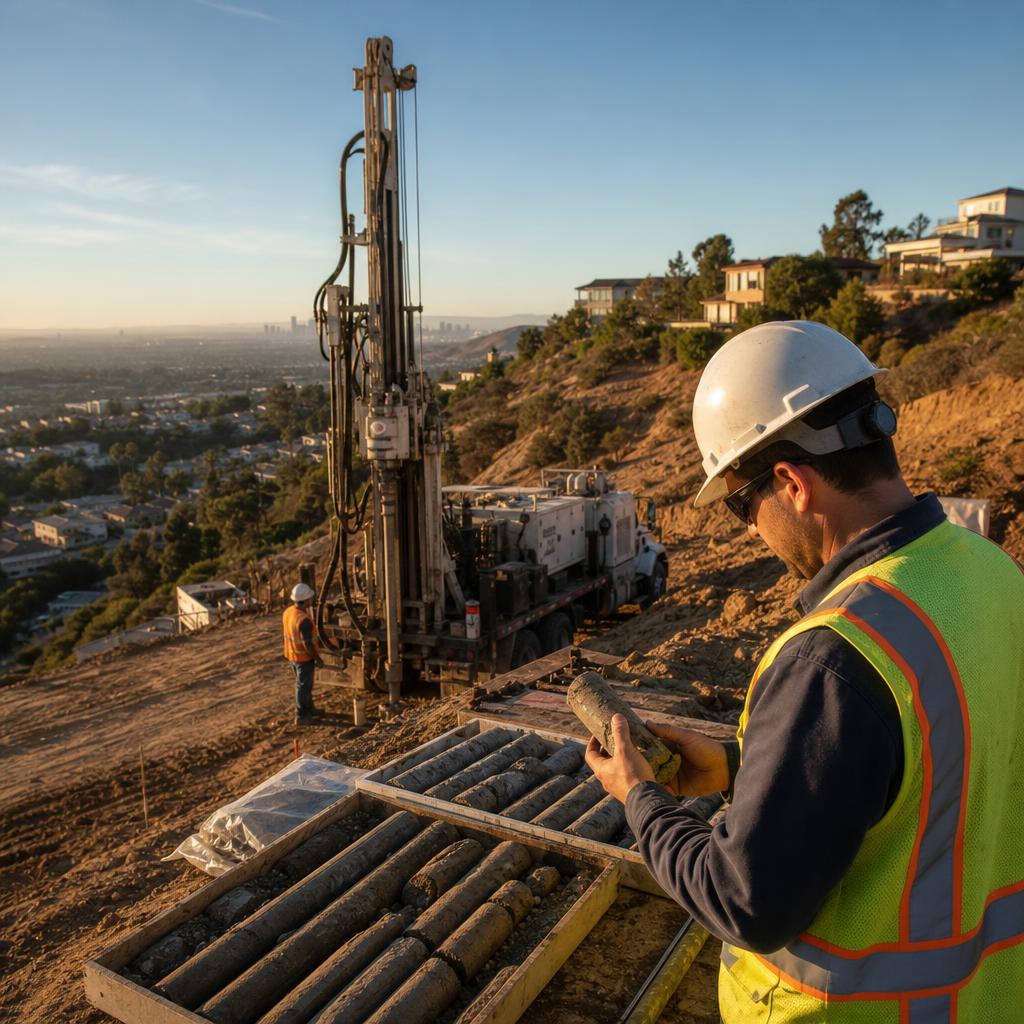
When LADBS or LA County Public Works requires a geotechnical or soils report for hillside, fire-rebuild, or slope-stability projects, how it differs from structural engineering, cost and timeline, and the Geology and Soils Report review process.
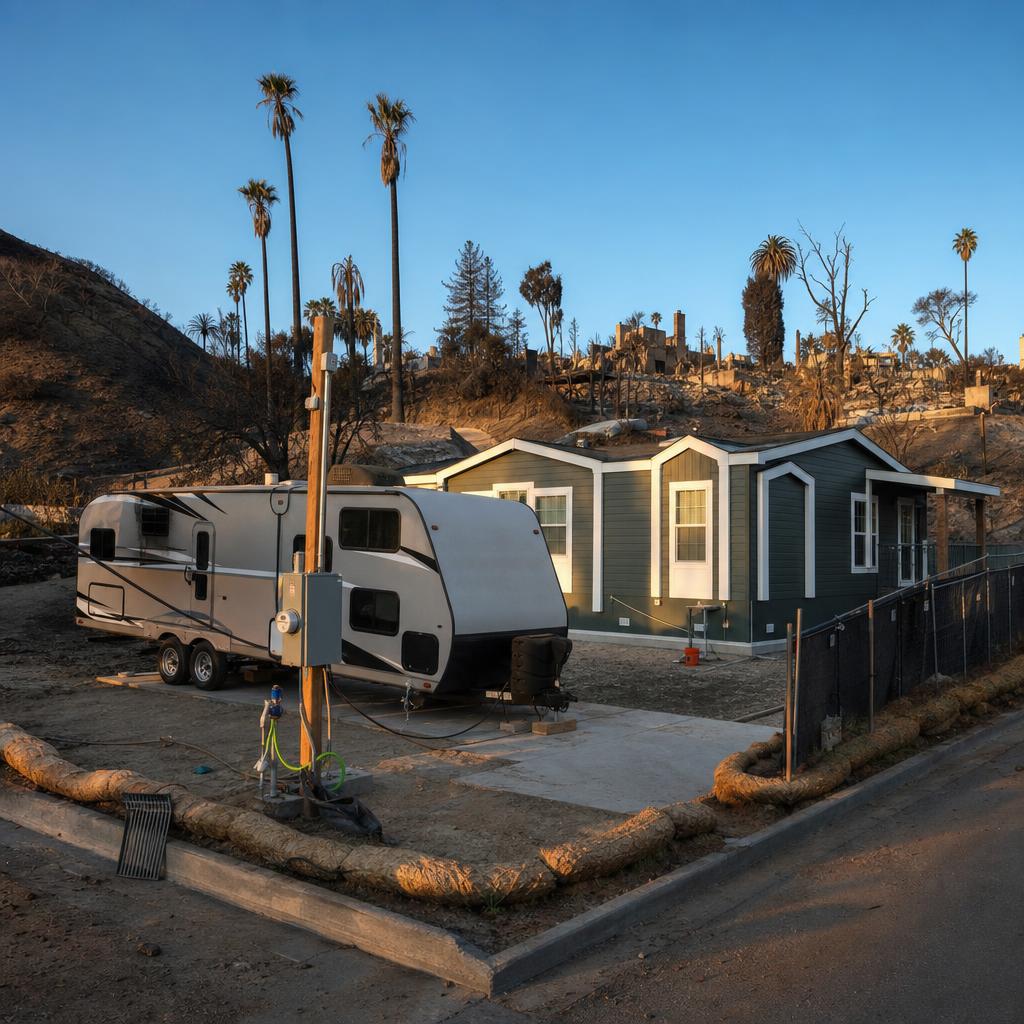
Living on your own lot in an RV, trailer, or manufactured home while your home is rebuilt needs its own temporary-use permit, utility hookups, and time limits — separate from the rebuild permit itself.
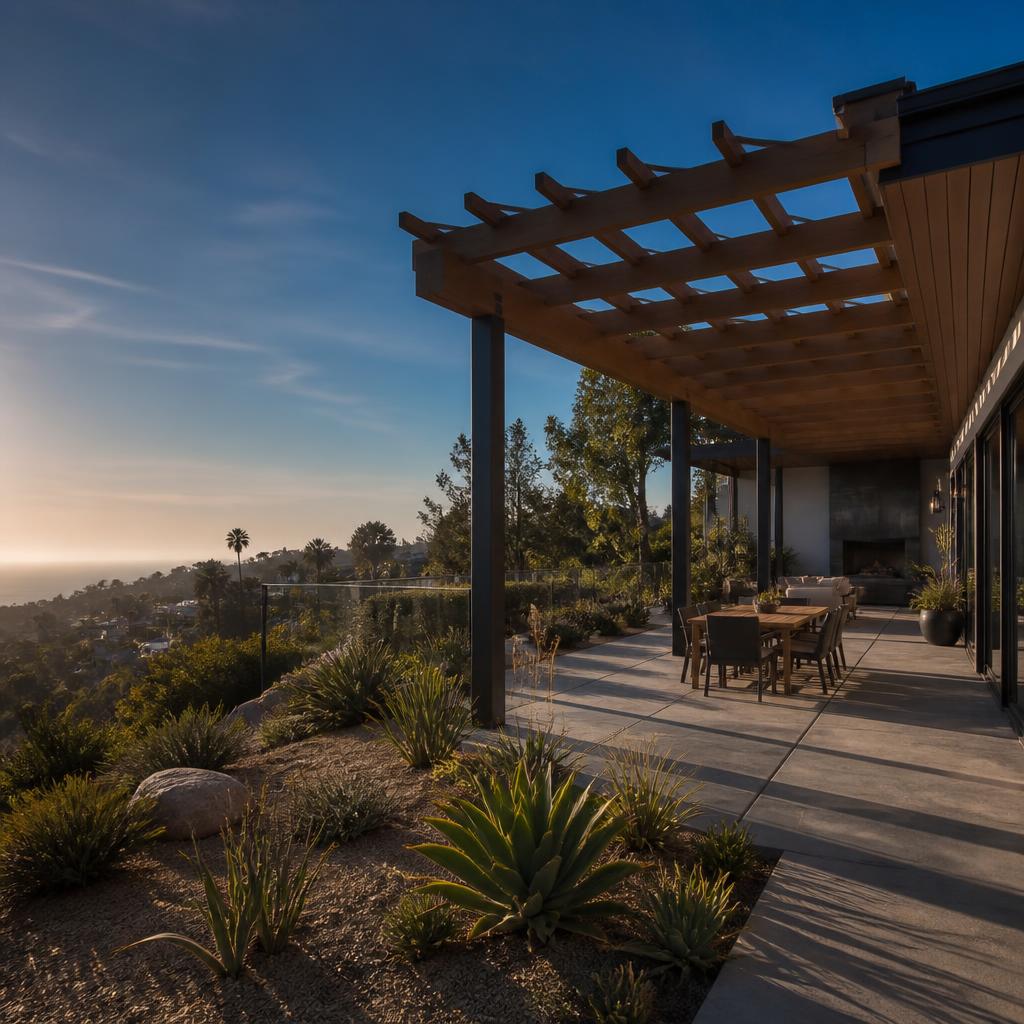
When a detached open pergola or patio cover may be exempt from a building permit, when an attached cover or California room needs structural plan check, and how LAMC setbacks, HOA, HPOZ, and Chapter 7A rules affect the design.
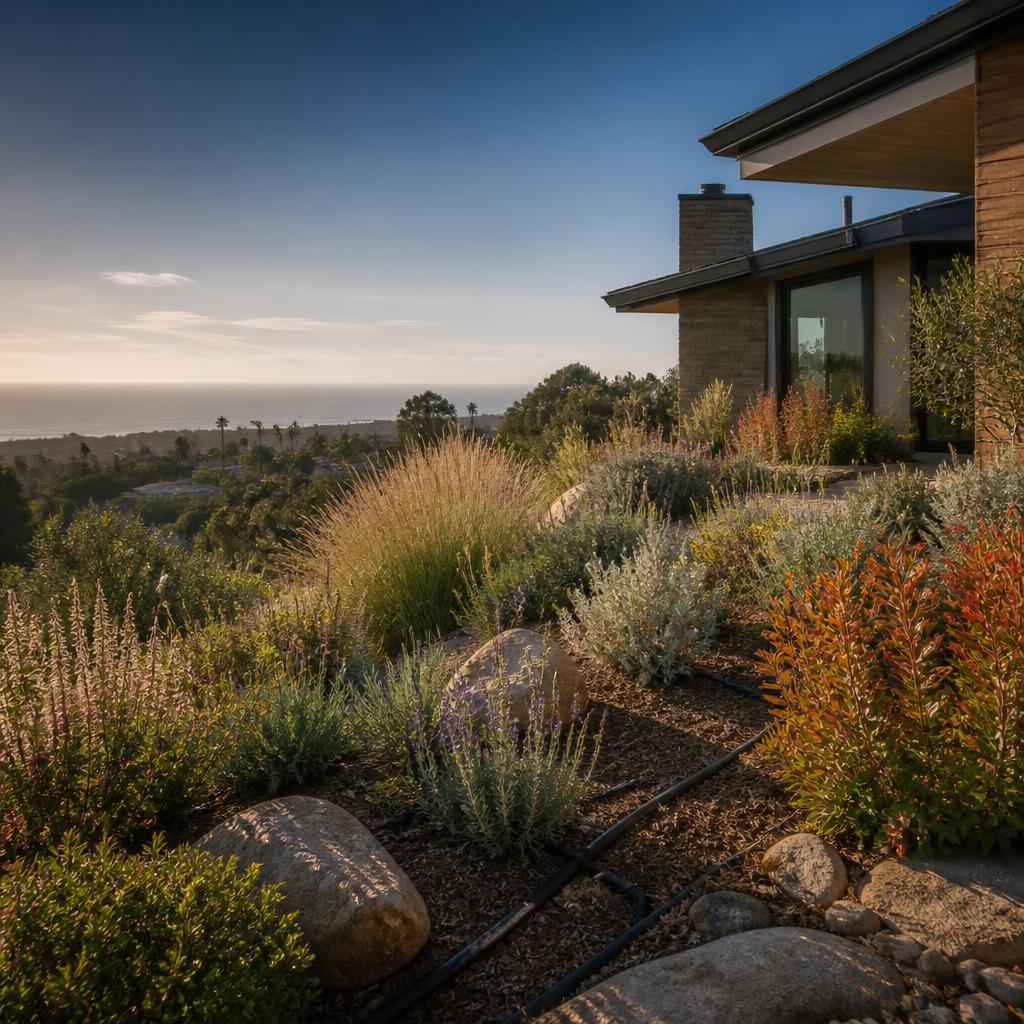
When a single-fixture residential graywater system may qualify for the CPC Chapter 16 Part 1 exemption, when a standard multi-fixture system needs an LADBS plumbing permit, and how graywater fits CALGreen, LID, and fire-rebuild landscaping plans.
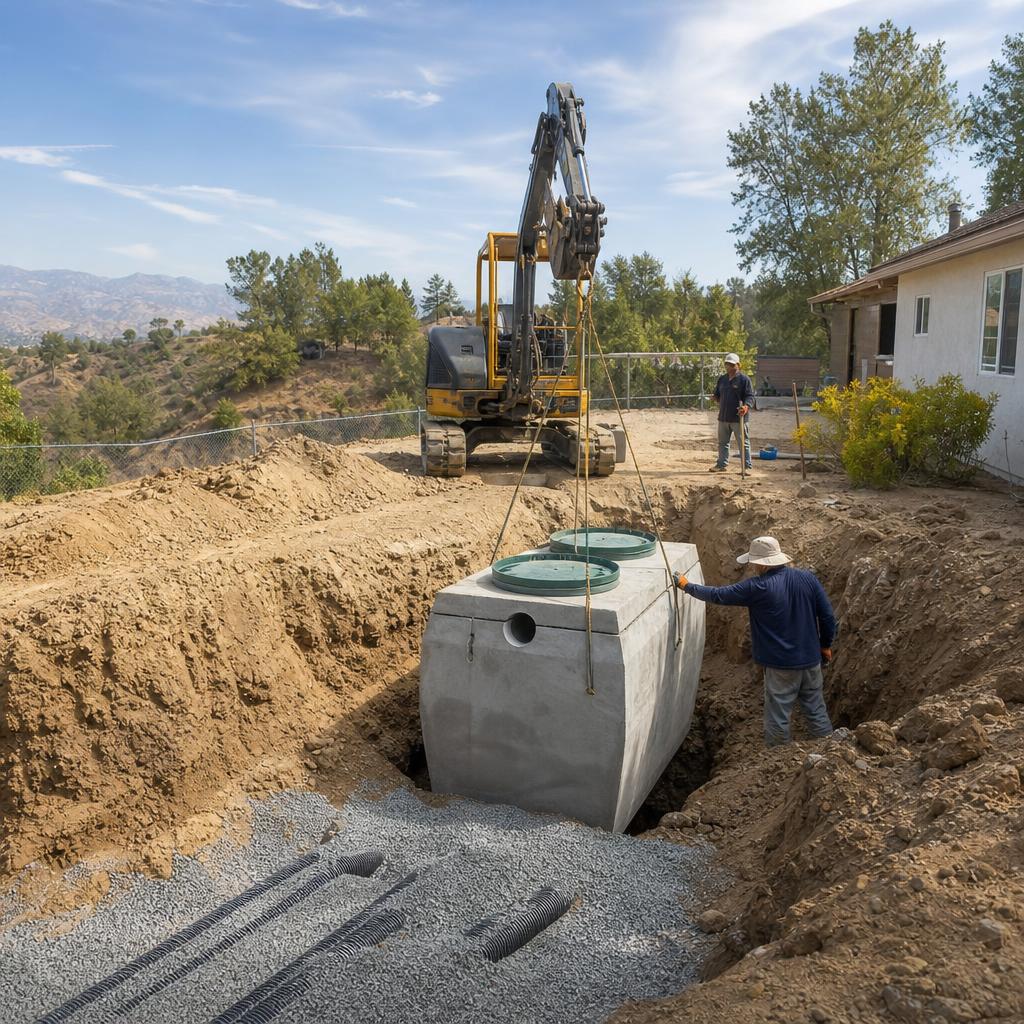
Upper Altadena, Topanga, and Malibu have thousands of homes on cesspools and septic systems instead of public sewer. This guide explains LA County Department of Public Health's Onsite Wastewater Treatment Program rules for fire rebuilds, percolation testing, costs, and realistic timelines.
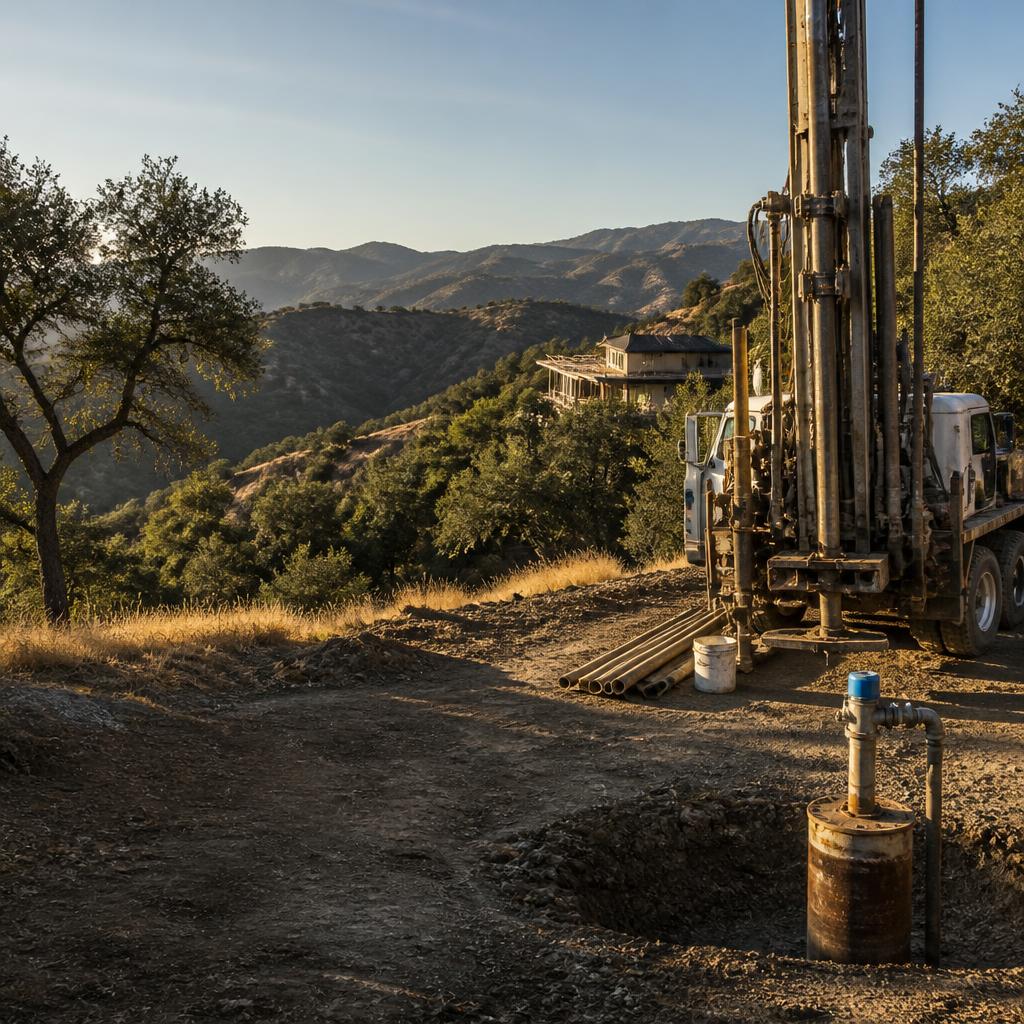
How potable private well permits work for hillside rebuilds in Altadena, Topanga, Malibu, and unincorporated Los Angeles County — including well reconstruction, water quality testing, septic separation, destruction permits, costs, and timelines.
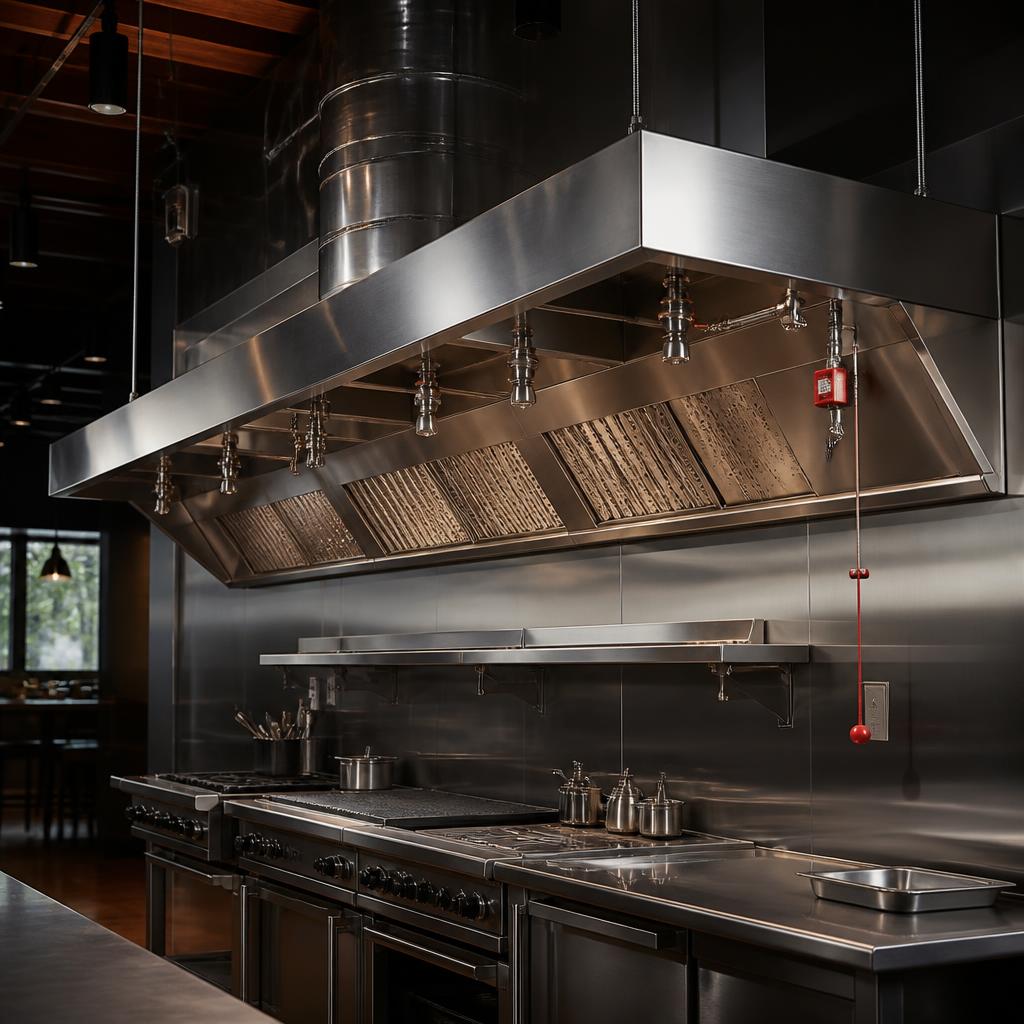
A technical guide to Type I kitchen hoods, NFPA 96 ventilation, UL 300 suppression, LADBS mechanical permits, makeup air, grease interceptor sizing, LASAN FOG review, and Health Department plan check.

A factual comparison of GreenLite's private third-party plan review model for corporate rollouts and Ocean Permits' hands-on Los Angeles coordination for fire rebuilds, ADUs, and local projects.

When Los Angeles requires a permit for protected native tree removal, relocation, pruning, or root-zone damage — including the four-inch threshold, Urban Forestry Division review, arborist reports, replacement trees, costs, fines, and fire-rebuild coordination.
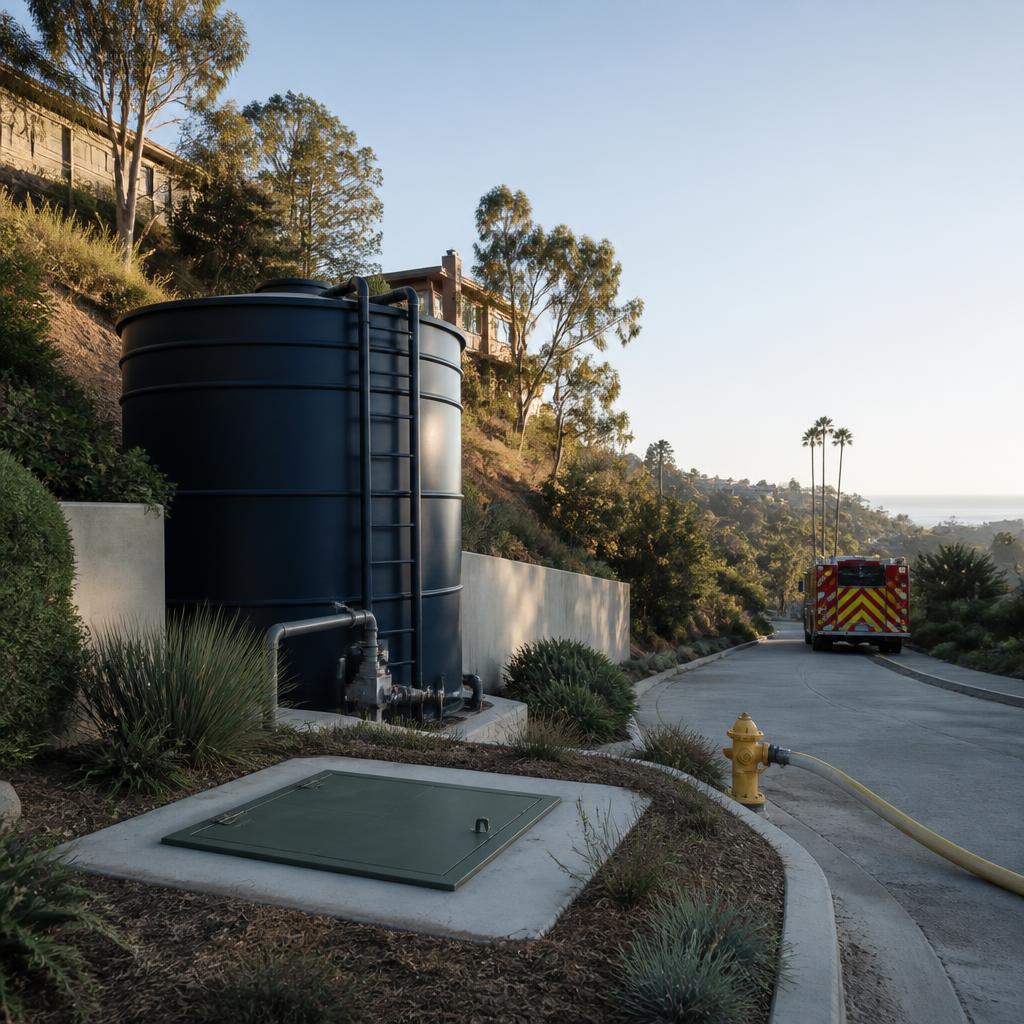
When fire-flow deficiencies on hillside and VHFHSZ properties require a private water tank, cistern, hydrant, standpipe, or suction connection — with LAFD and County Fire review, NFPA 1142, sizing, access, cost, and inspection guidance.
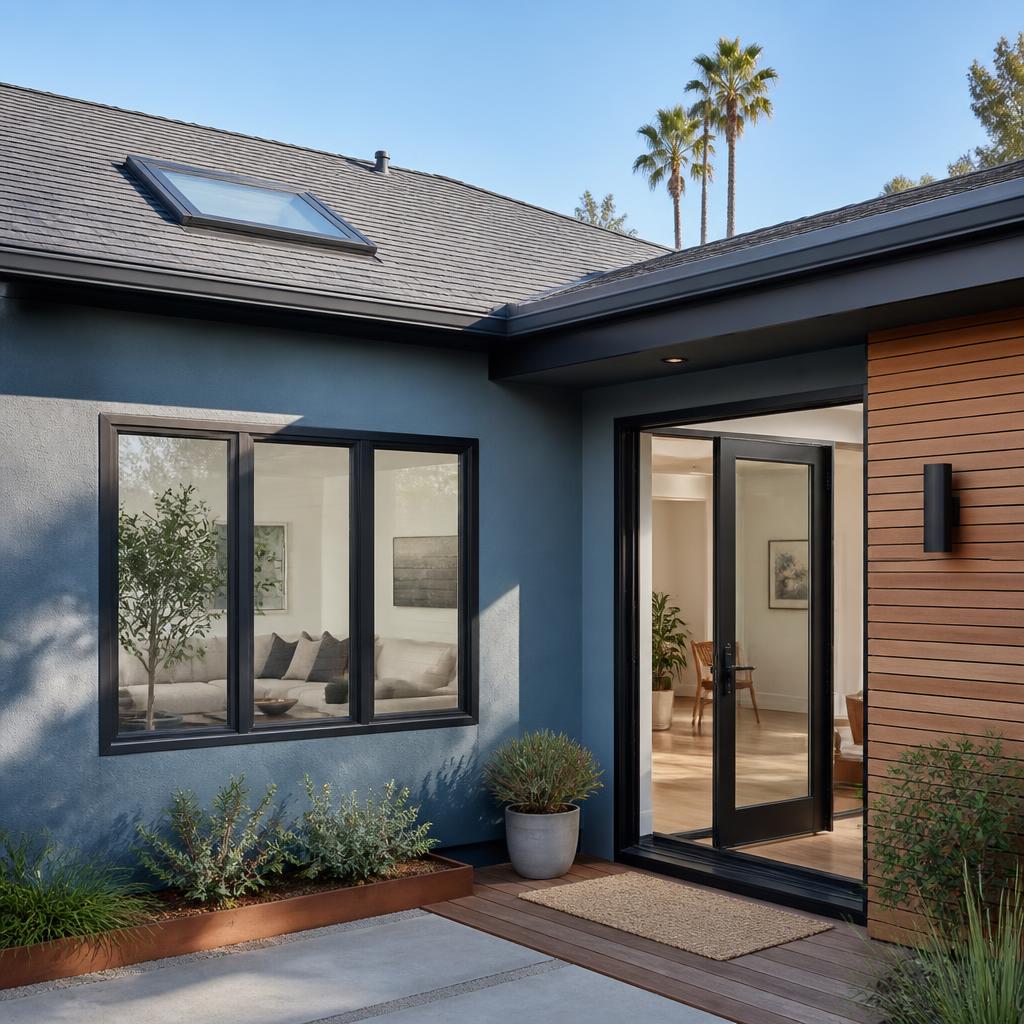
When replacement windows, exterior doors, and skylights need an LADBS permit, how bedroom egress and Title 24 energy rules apply, and what HPOZ and Mills Act properties need before installation.
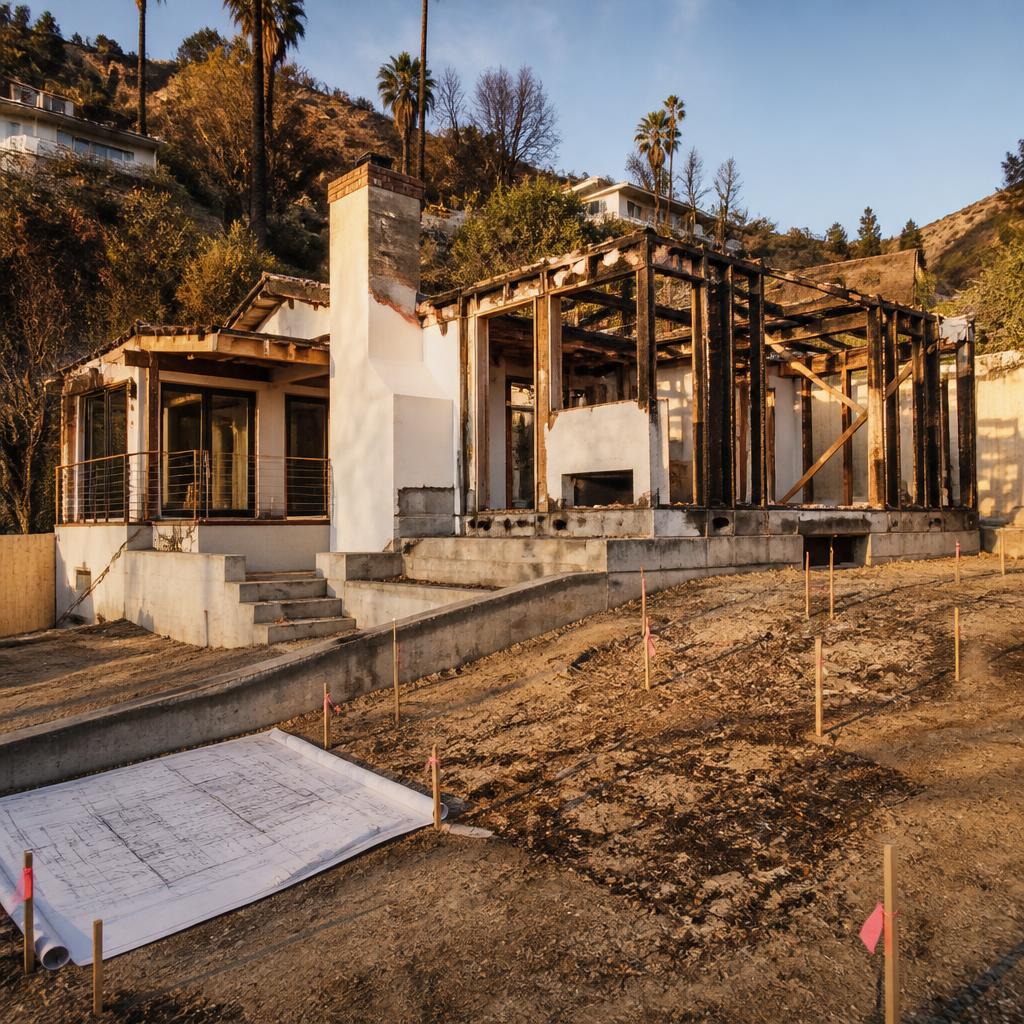
How Los Angeles treats nonconforming uses and structures, including damaged homes, setbacks, lot coverage, height, unit count, like-for-like fire rebuilds, and Executive Order N-4-25.

A practical comparison of Symbium's zoning and feasibility tools with Ocean Permits' hands-on Los Angeles permit coordination, agency communication, corrections, and closeout support.
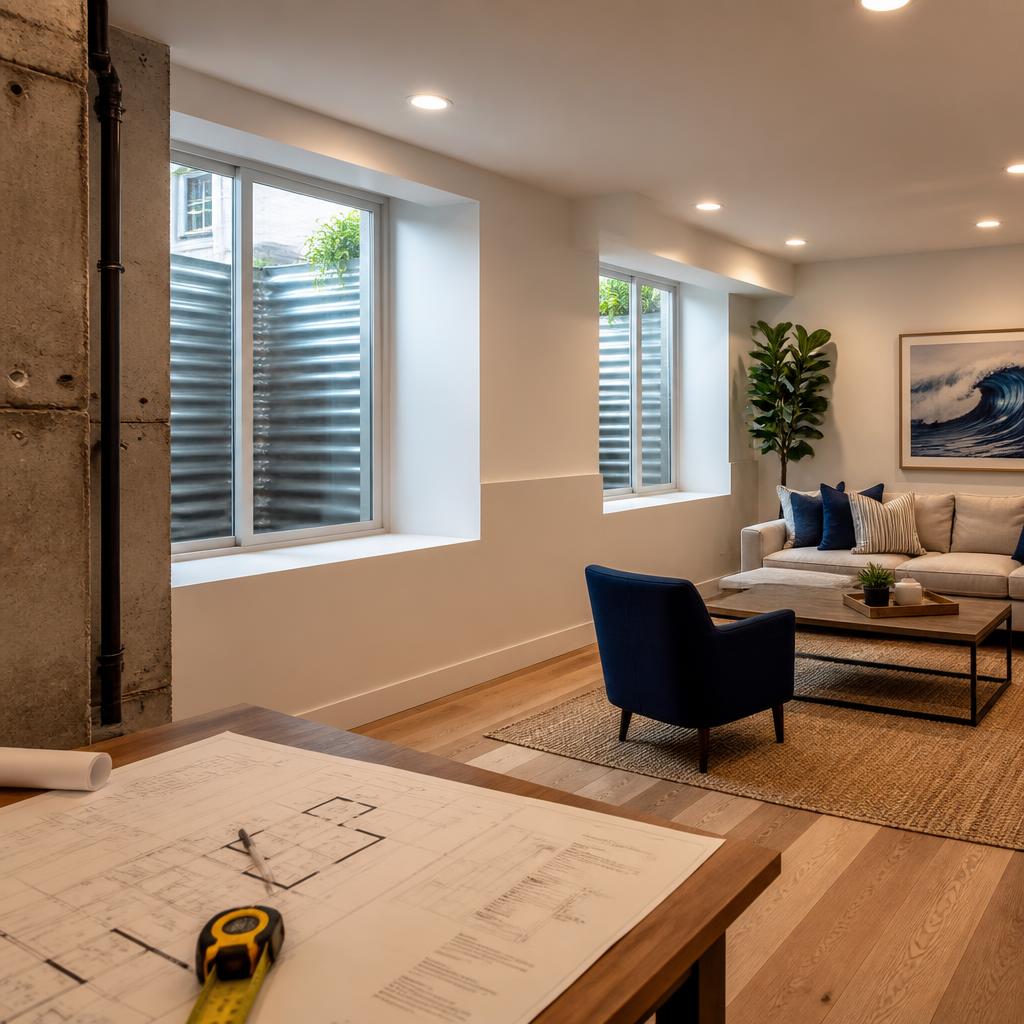
How to legally finish or convert a basement in Los Angeles, including below-grade ceiling height, light and ventilation, egress windows and wells, waterproofing, drainage, foundation work, and the separate rules for a basement ADU.
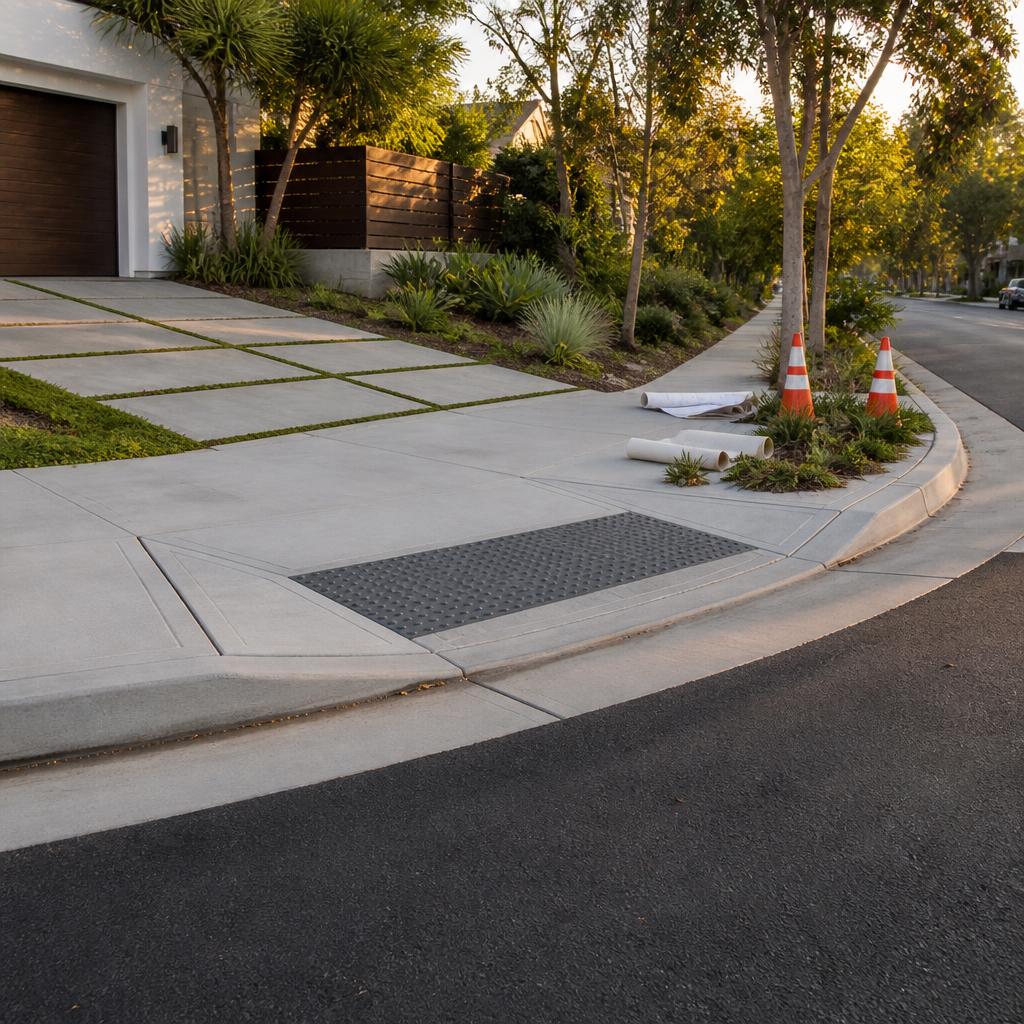
The Bureau of Engineering and Public Works side of permitting: driveway approaches, curb cuts, sidewalk repairs, ADA curb ramps, corner clearance, parkway encroachments, utility relocation, and fire-rebuild coordination.
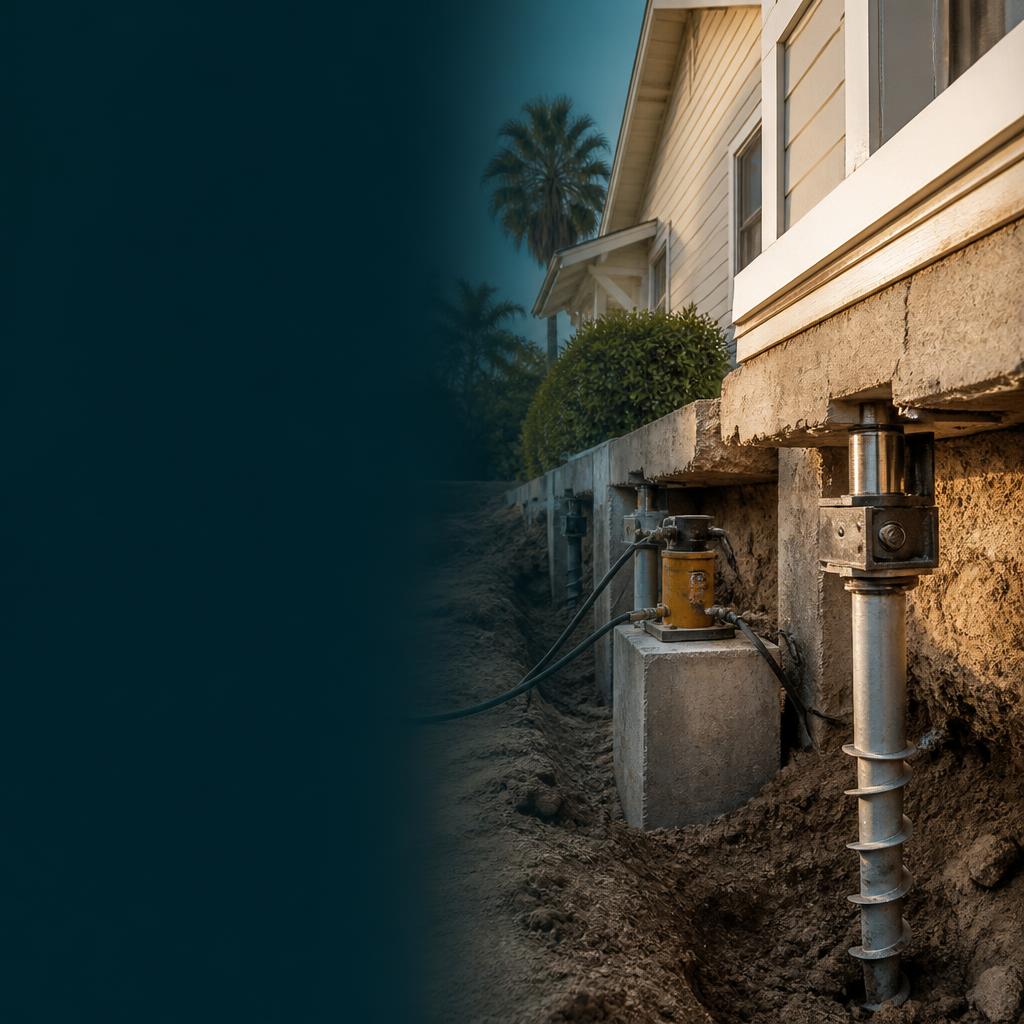
What permits, drawings, studies, and reviews are typically required to repair a foundation, install underpinning, or stabilize a home in Los Angeles, including hillside conditions, excavation, and coordination with LADBS.
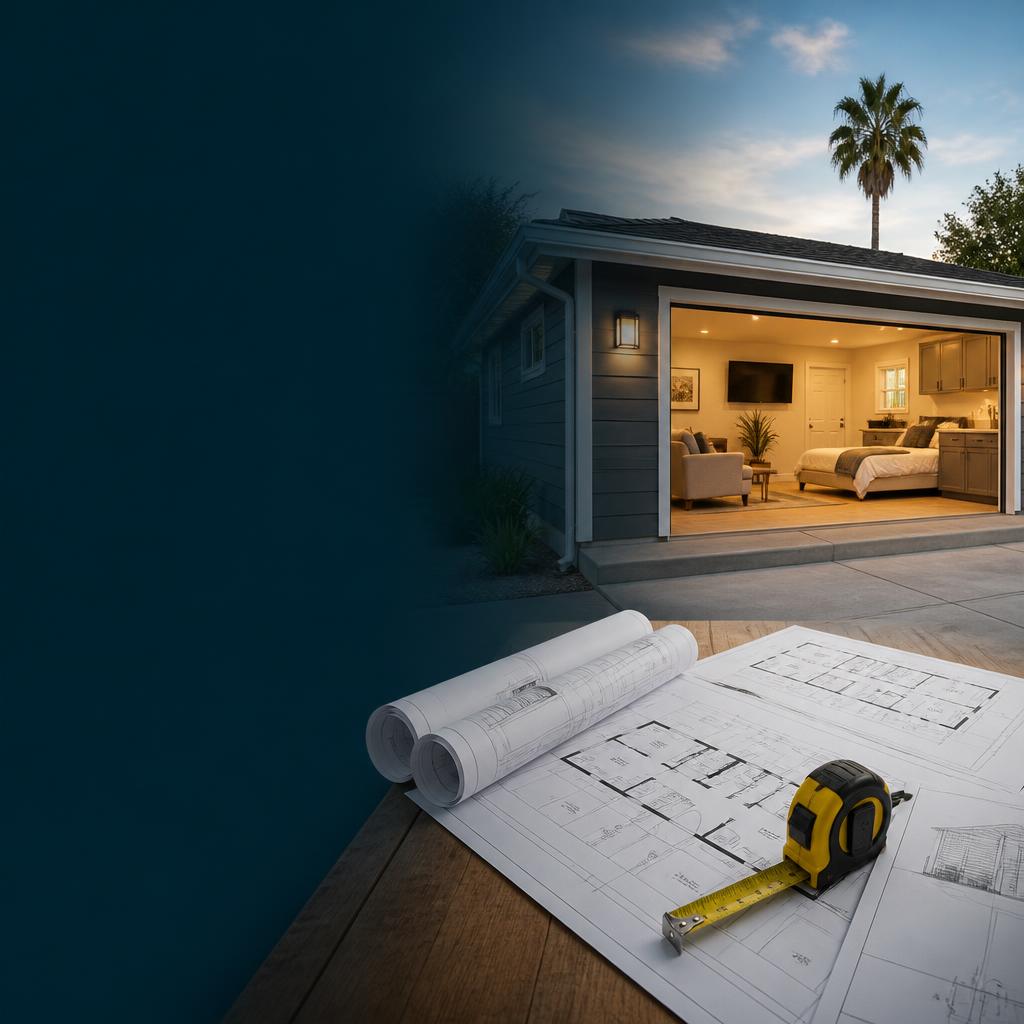
The process for investigating, documenting, and legalizing an addition, conversion, remodel, or structure built without a permit in Los Angeles: LADBS, as-built surveys, zoning, structure, and inspections.

California defensible-space law, local brush inspections, and construction-related fuel modification are connected but different obligations. This guide explains PRC §4291, LAFD Brush Clearance Unit coordination, Fuel Modification Plans, and the permit decisions that affect a Los Angeles property.
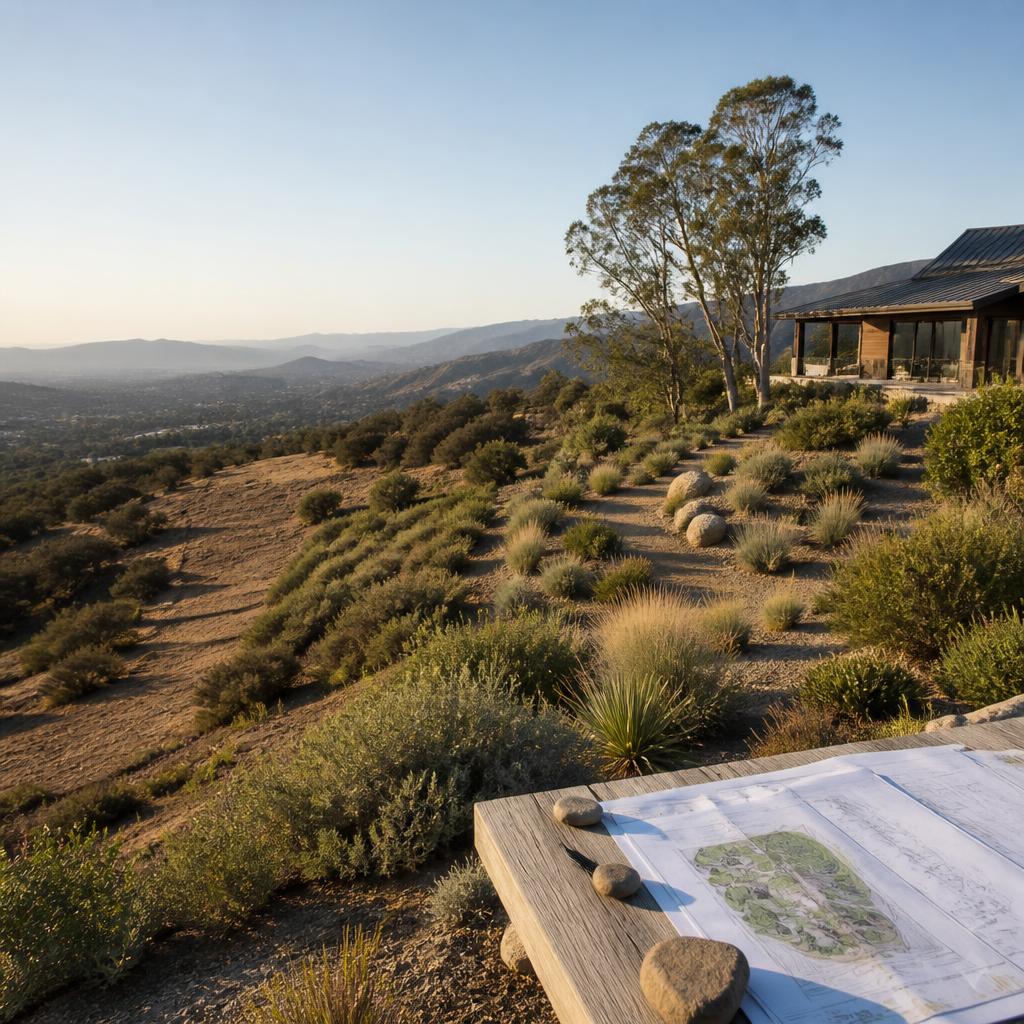
How LA County Fire Department Forestry Division approval works for new construction and major rebuilds in Very High Fire Hazard Severity Zones, including Altadena Eaton Fire rebuilds, Zone 1–3 landscape plans, inspections, maintenance, and common delays.
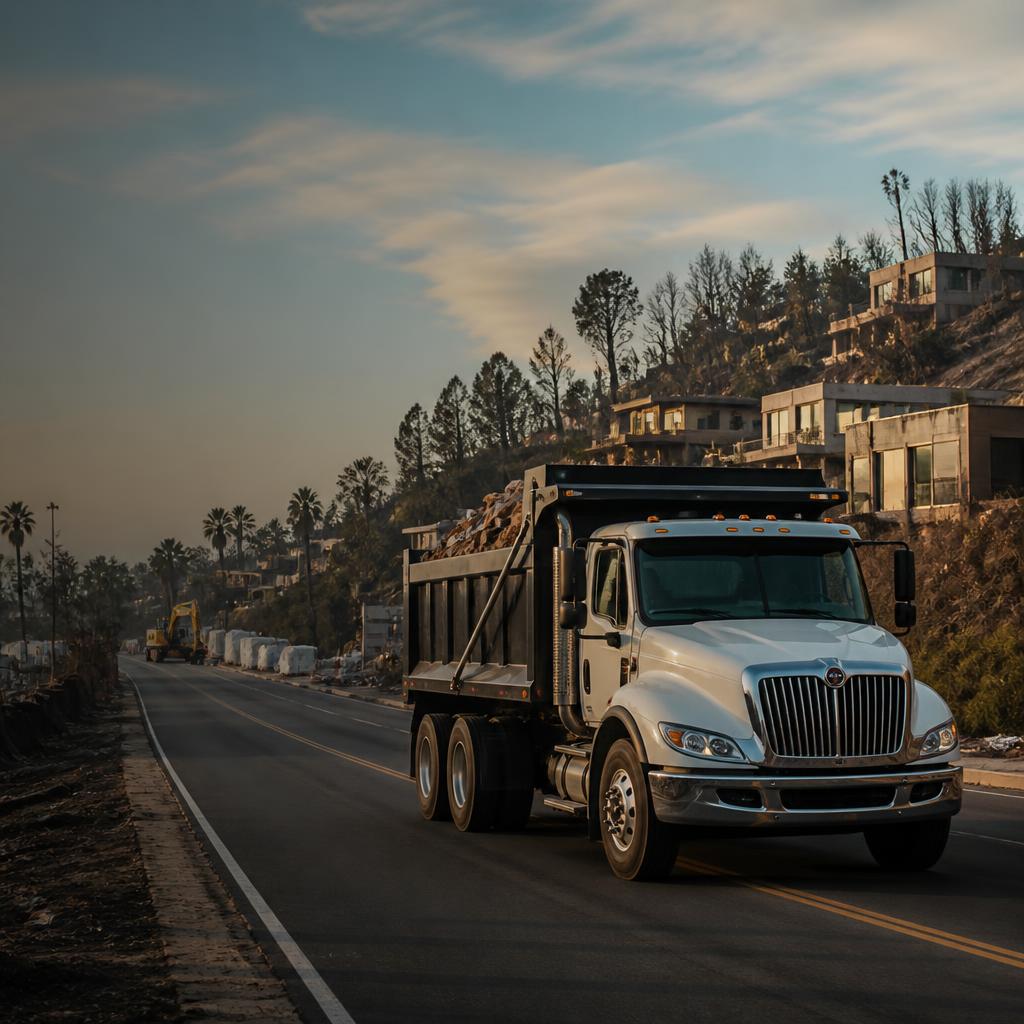
When fire-rebuild demolition, grading, debris removal, or heavy truck traffic triggers City of Los Angeles haul-route review, LADOT overload permits, or the separate LA County process for unincorporated Altadena.
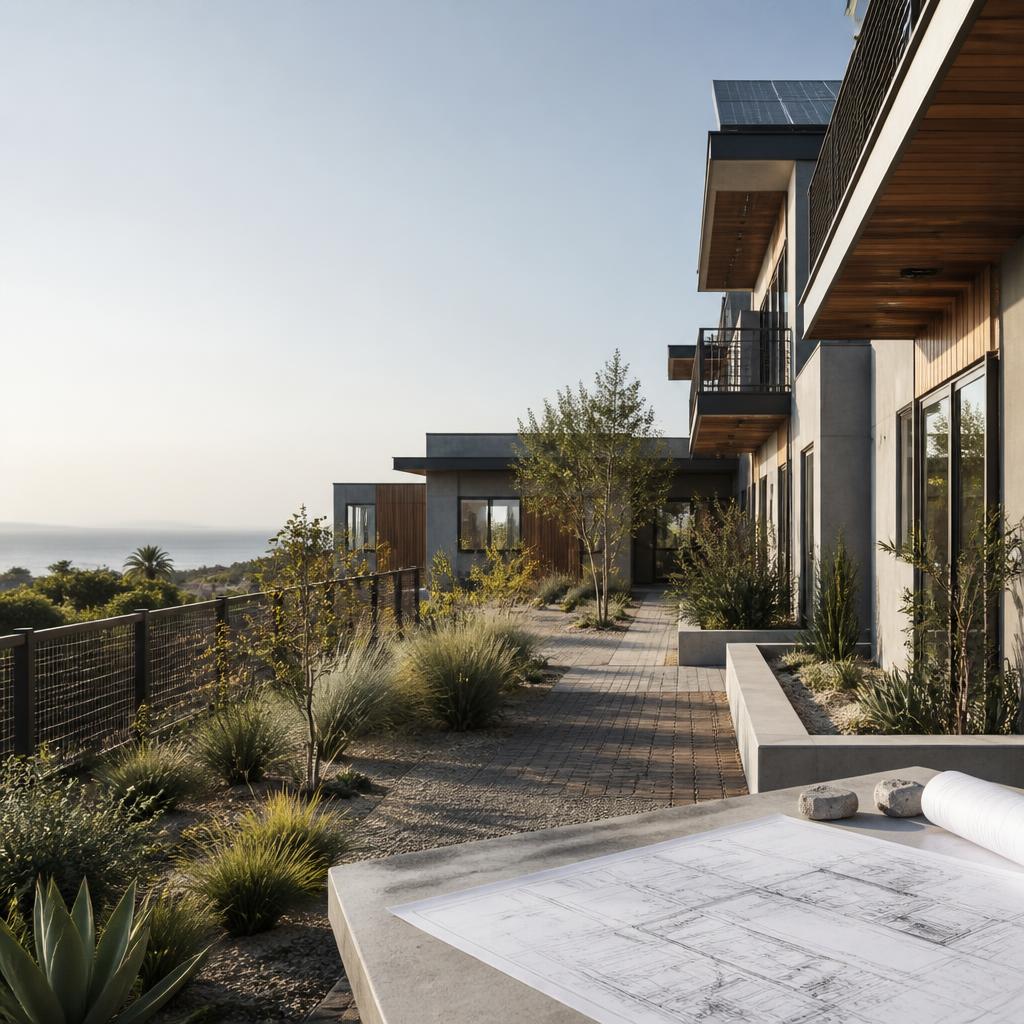
How Title 24 Part 11 differs from the Part 6 Energy Code, when LADBS requires separate green-building review, and how to coordinate water, waste, materials, indoor-air-quality, stormwater, and cool-roof documentation.
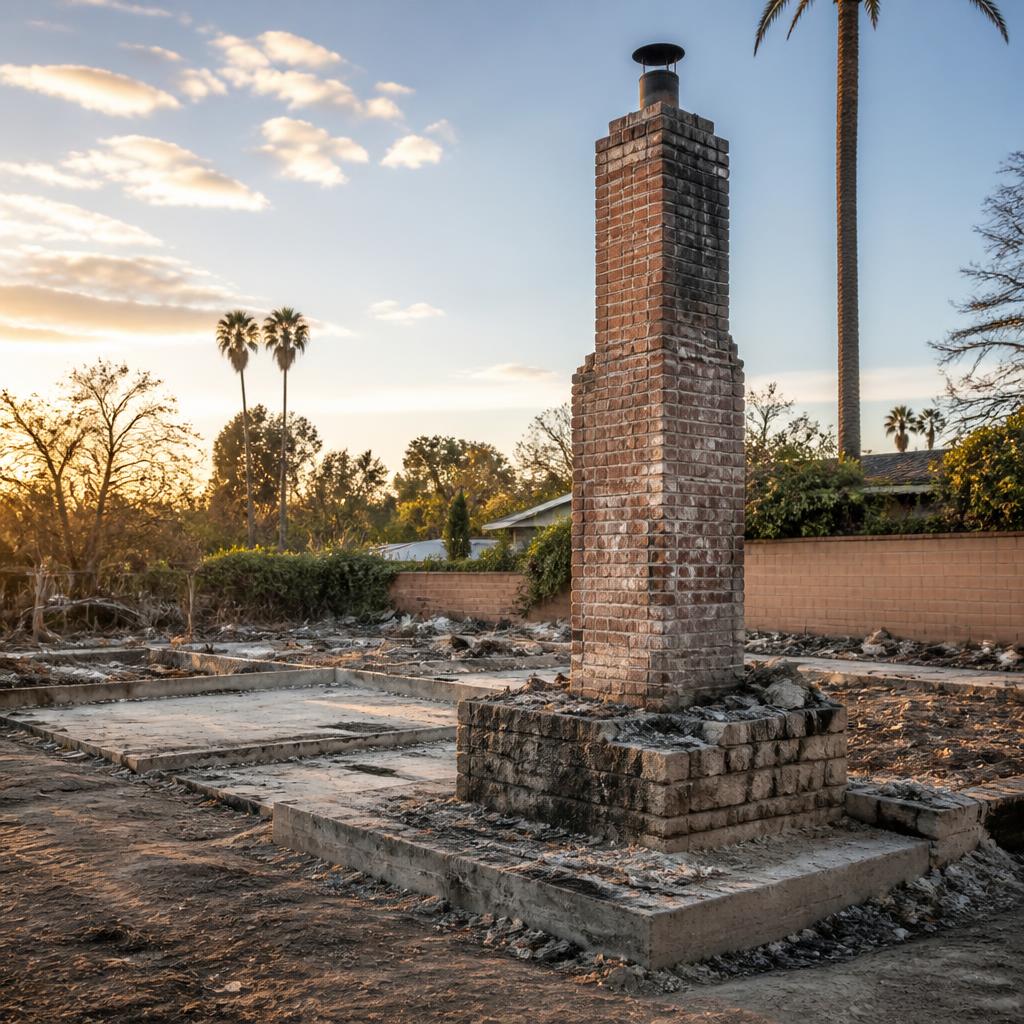
When removing a chimney needs a building permit, structural and roof details, fireplace and venting coordination, asbestos or historic-property review, and fire-rebuild documentation.
How short-term-rental operating rules intersect with legal dwelling units, ADUs, garage conversions, life-safety, occupancy, zoning, HOA, and building permits.

The Mills Act can reduce property taxes for qualifying historic properties, but it's a contract with a public agency — not an automatic HPOZ benefit. City of LA review, Office of Historic Resources coordination, income valuation, and County programs.

A permit expediter and a land-use attorney solve different parts of a development problem. When each professional helps, where their work overlaps, and how owners can build the right project team without paying for the wrong scope.
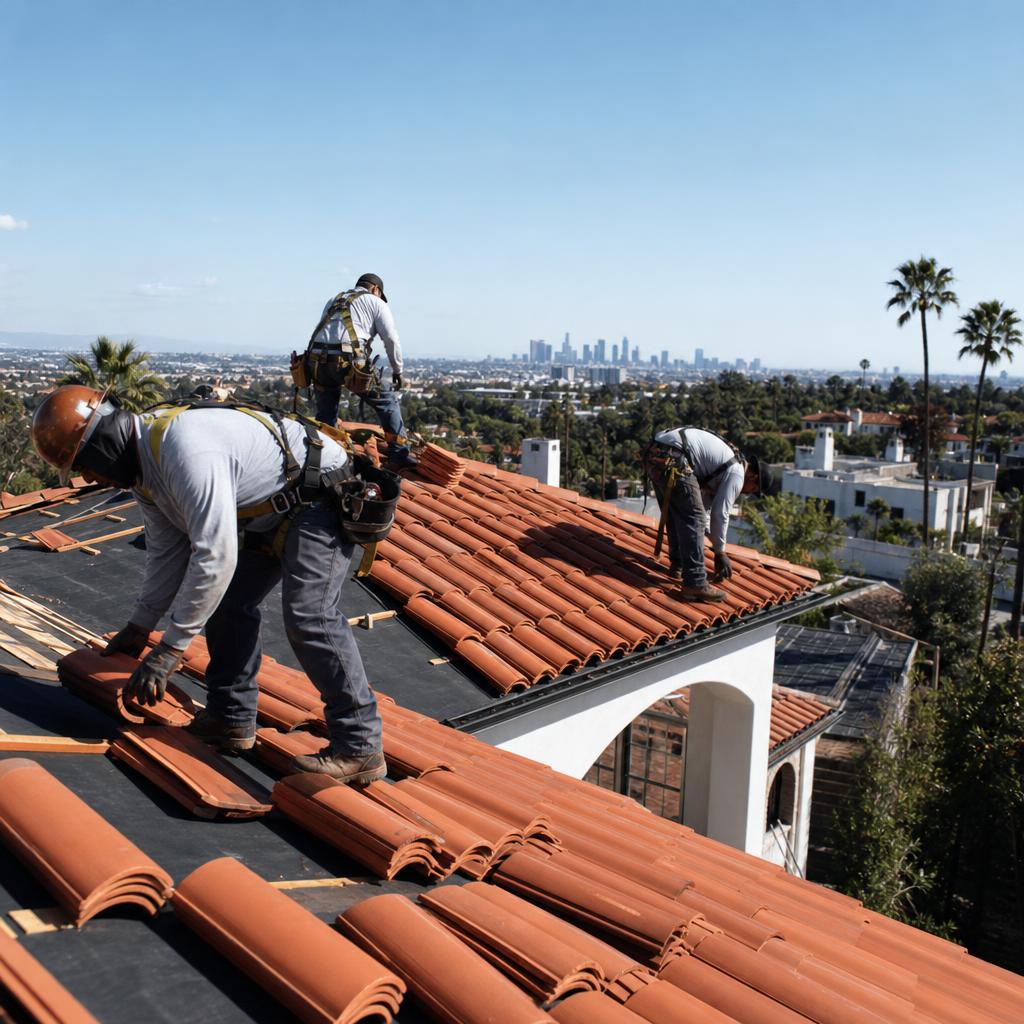
When a reroof needs a permit, LADBS's no-plan-check Express Permit path for straightforward reroofs, Title 24 cool-roof reflectance and emittance rules, and Chapter 7A Class A fire-rated roofing in Very High Fire Hazard Severity Zones.
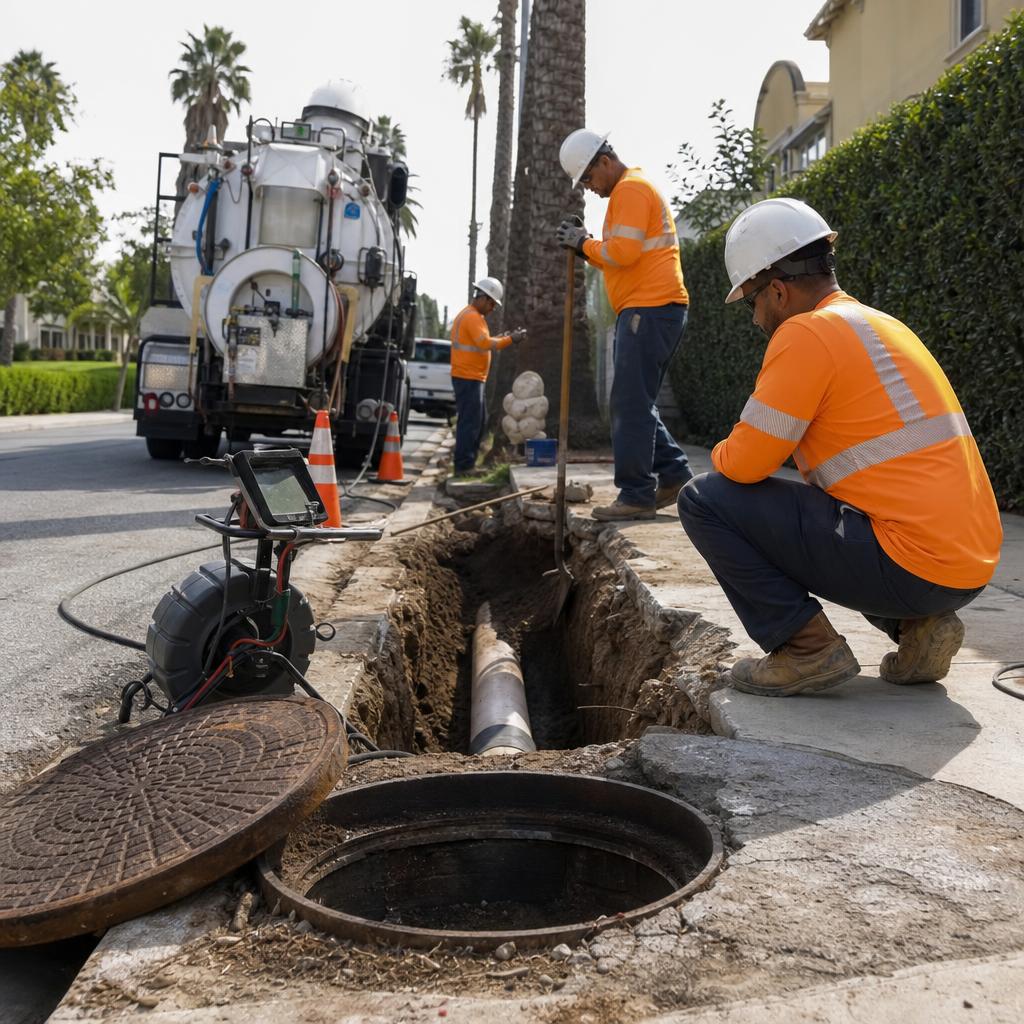
LA Sanitation & Environment's Certificate of Compliance process, what triggers lateral testing at point-of-sale, remodel, or restaurant change of use, spot repair vs. full replacement, and how this differs from a septic (OWTS) permit.
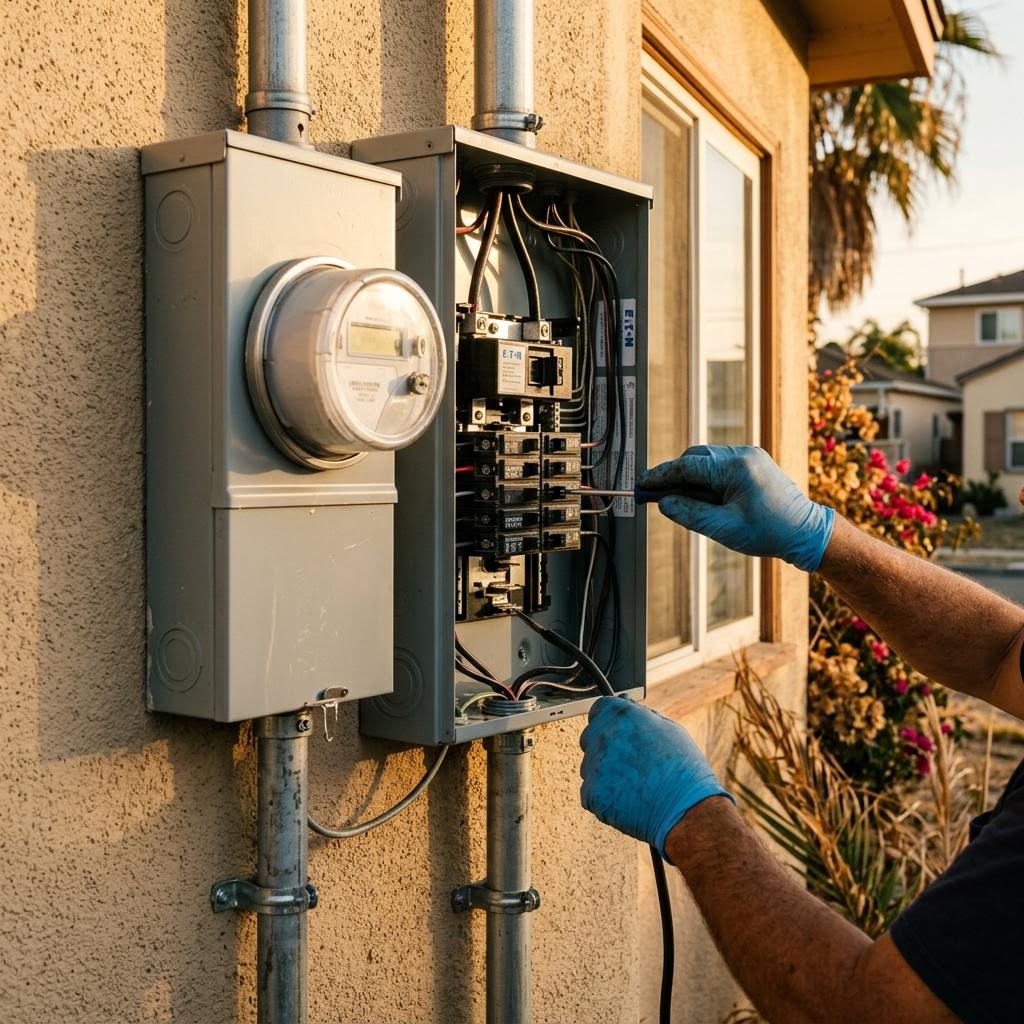
EV chargers, solar, battery storage, ADUs, and fire rebuilds are pushing more homes past their panel's capacity. When a like-for-like swap is enough, when a full LADWP/SCE service upgrade is required, and realistic cost and timeline ranges.
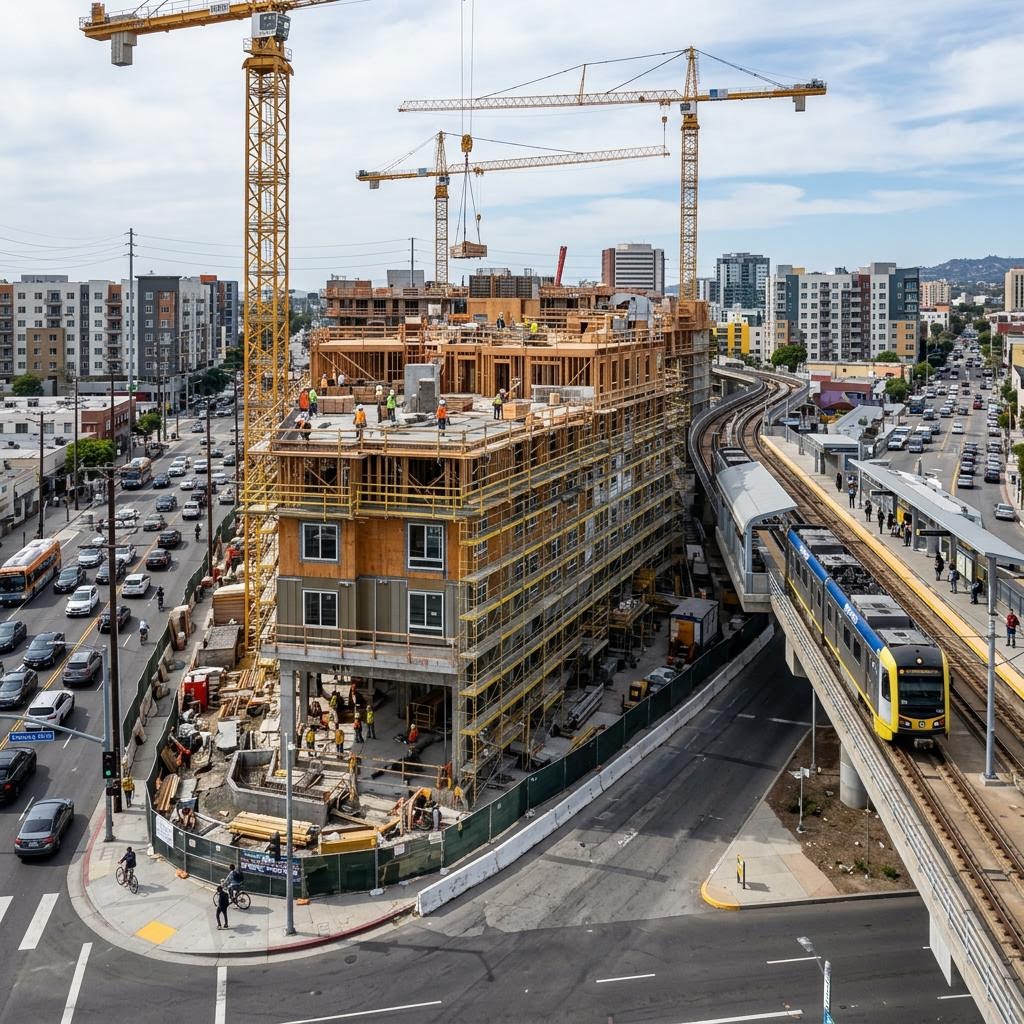
How California's Density Bonus Law and LA's Transit Oriented Communities program let multifamily developers build more units and less parking in exchange for affordable housing, and how they interact with AB 2097 and SB 35.
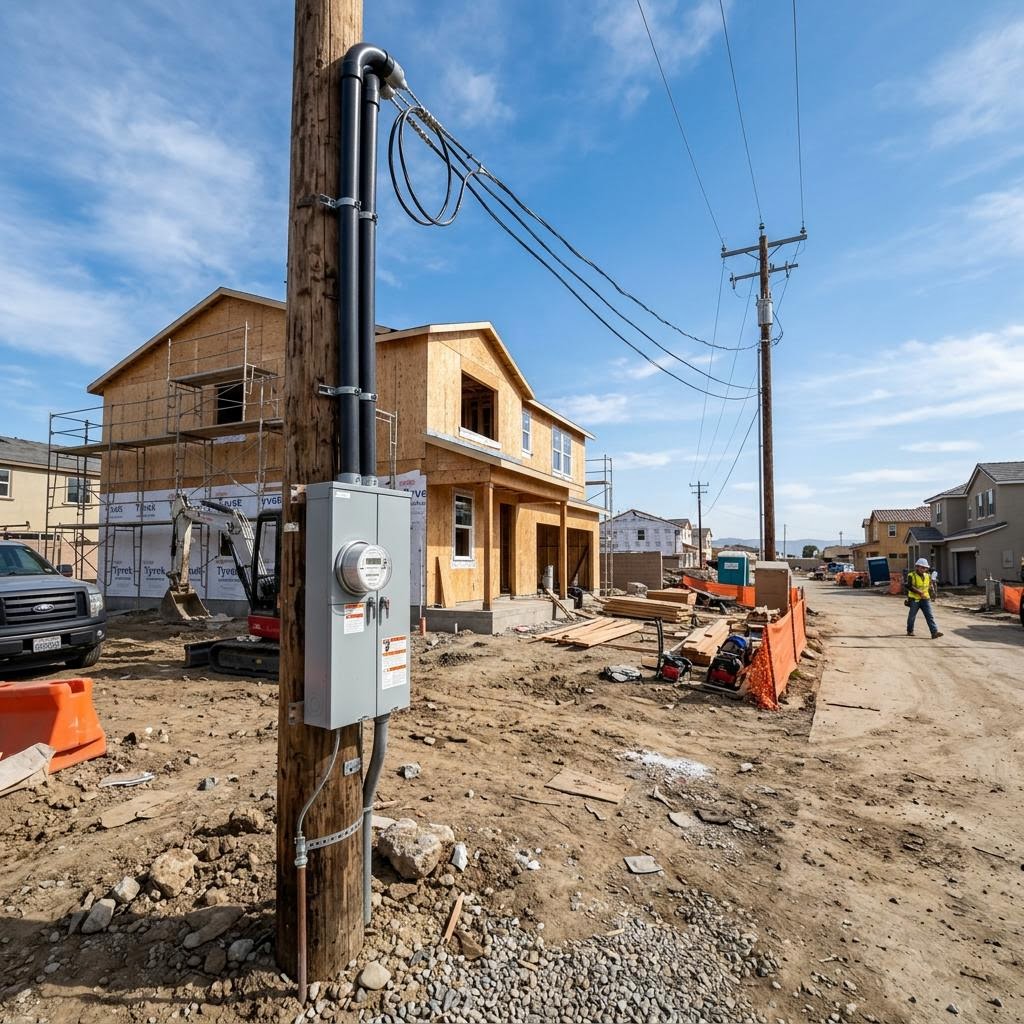
How a T-pole/temporary construction power permit works under NEC Article 590, the difference between LADWP and SCE jurisdiction, inspection sequencing with LADBS and the utility, and why fire rebuilds especially can't skip this step.
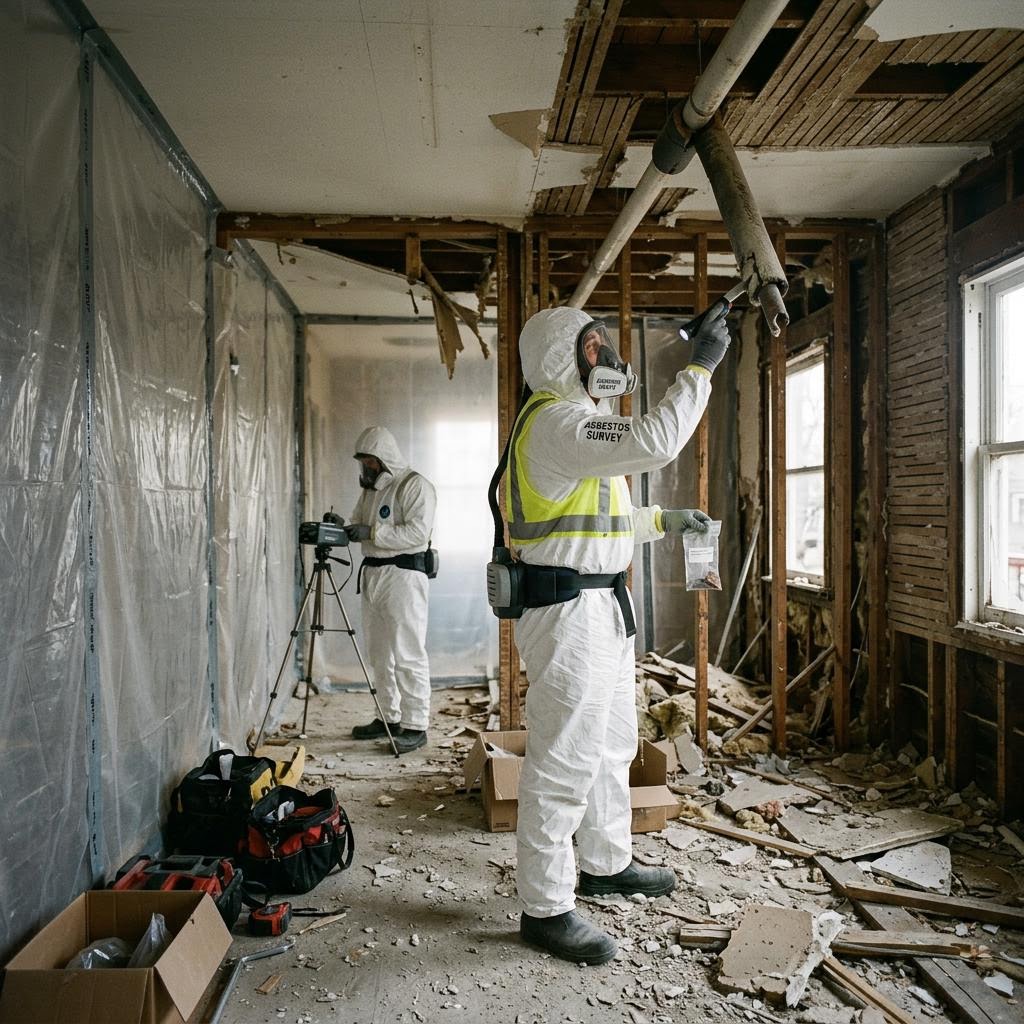
Why a pre-demolition asbestos survey and SCAQMD Rule 1403 notification are required before any demolition permit in the LA area, how federal NESHAP and Cal/OSHA rules interact, and the timeline fire-damaged structures need to plan around.
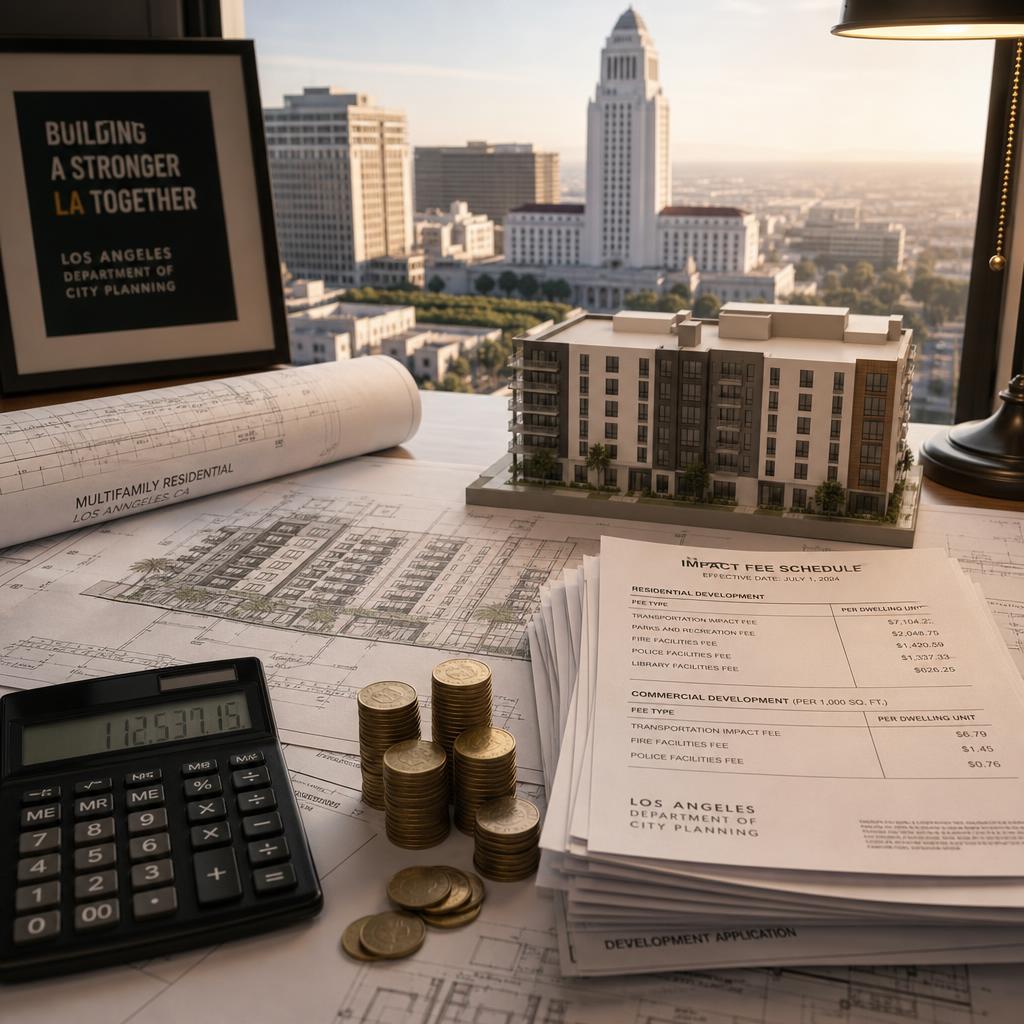
A breakdown of the LAUSD Developer Fee, Quimby Act park fees, LADWP water and power capacity charges, the Affordable Housing Linkage Fee, and sewer facilities charges — with planning-range fee tables by project type.
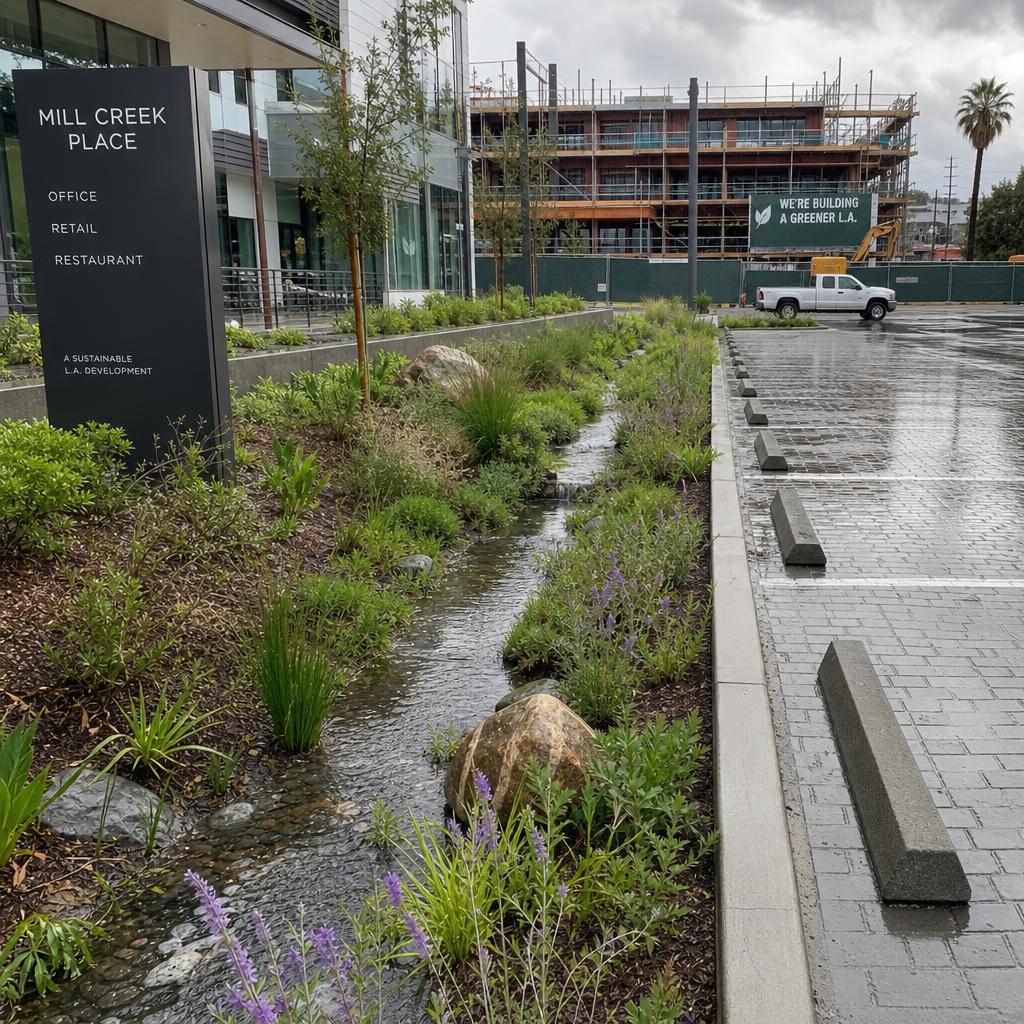
How the LA Low Impact Development Ordinance, SUSMP, and BMPs like bioretention and permeable pavement apply to grading, pool, and remodel projects, and how LA Sanitation review fits into the permit process.
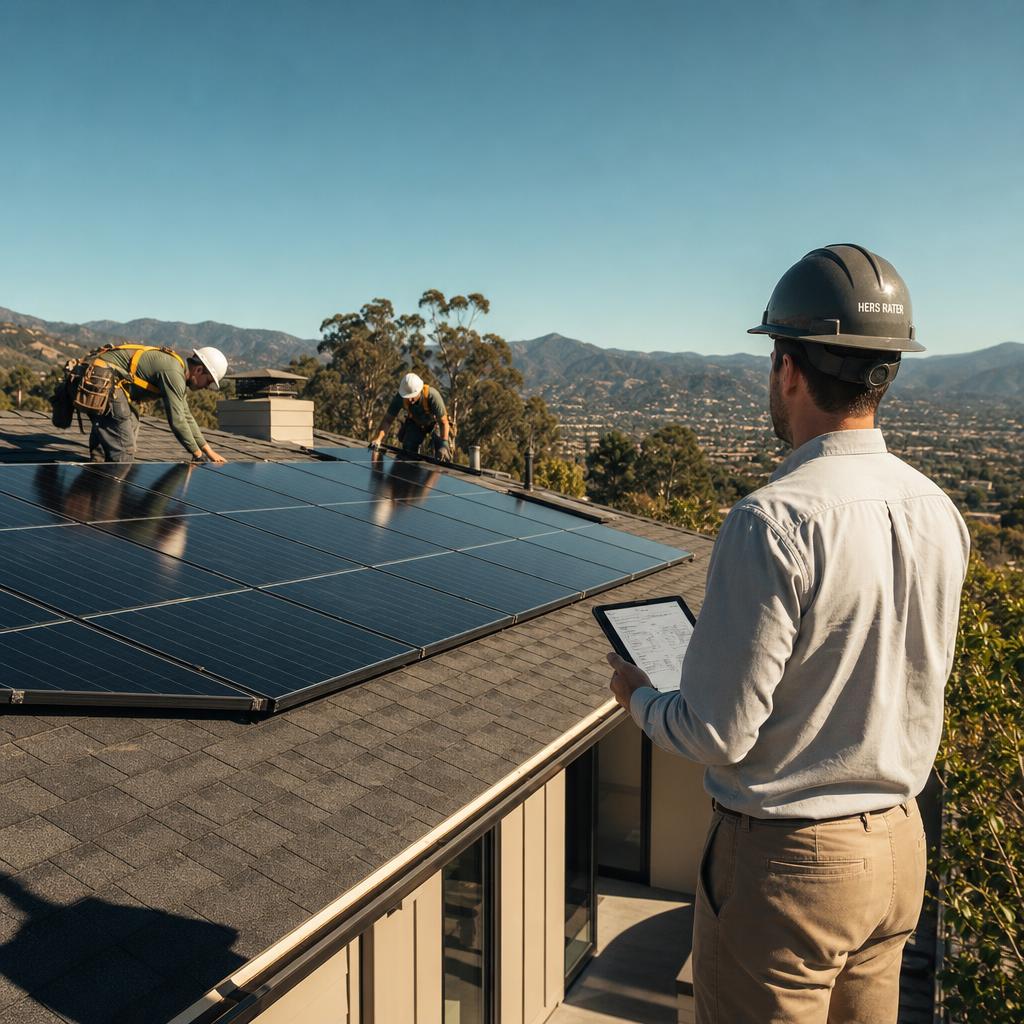
How Title 24 Part 6 and CALGreen Part 11 apply to LADBS permits, the CF1R/CF2R/CF3R compliance forms, the solar PV mandate, and why fire rebuilds must meet the current energy code at permit issuance — not the code their original home was built under.
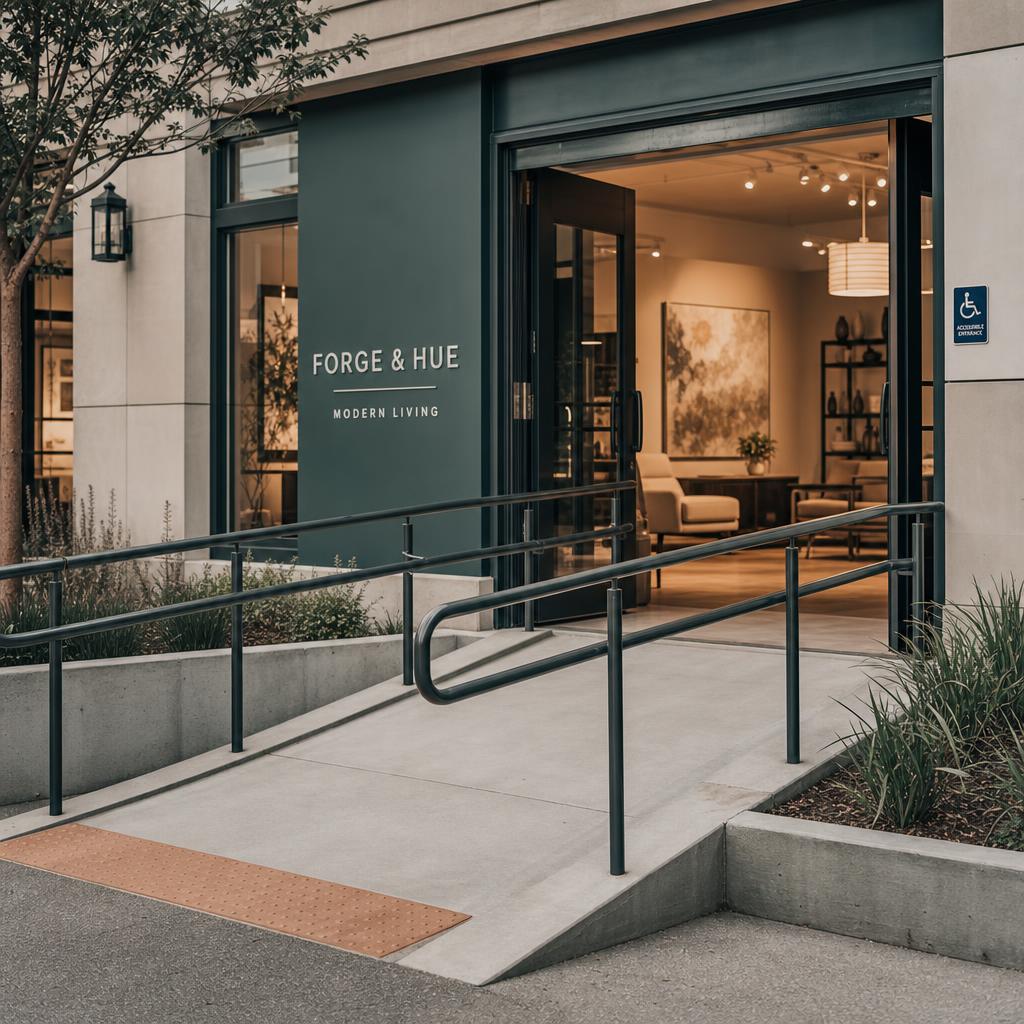
How federal ADA Title III interacts with California's stricter CBC Chapter 11B, the Unruh Act's litigation exposure, the CASp inspection program, and when an alteration project triggers the 20% path-of-travel accessibility upgrade rule.
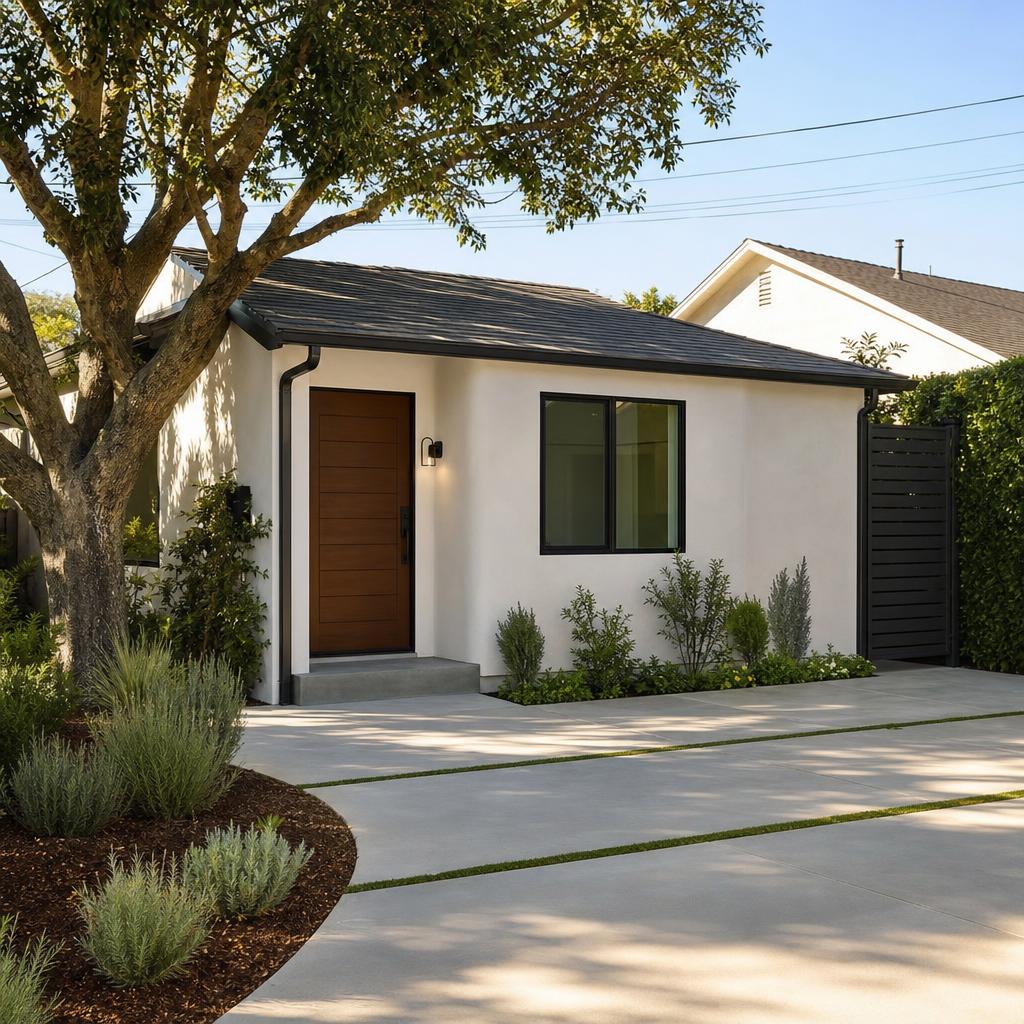
A JADU is not a small ADU — it's a distinct legal category under state law with its own 500-square-foot cap, owner-occupancy rule, and deed-restriction requirements. Here's how JADU permits actually work in Los Angeles.
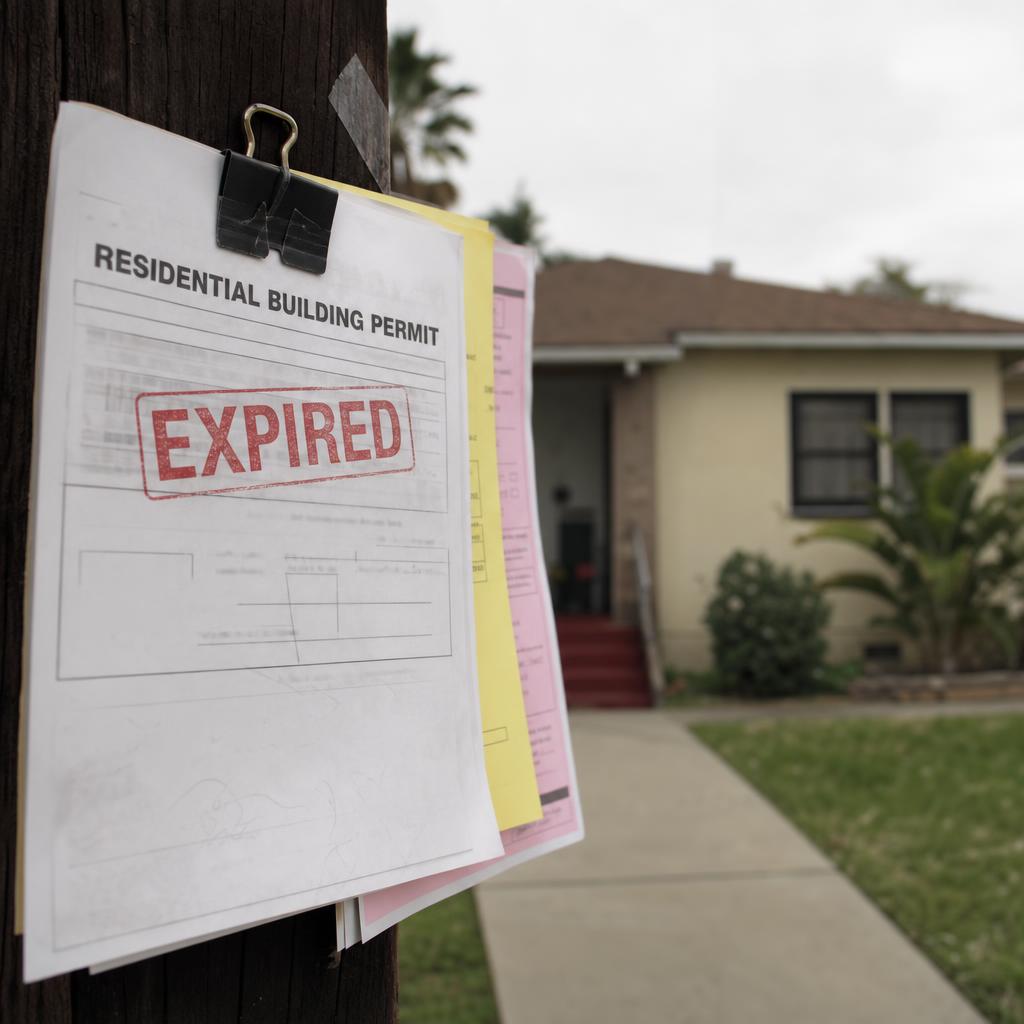
A lapsed LADBS permit isn't just paperwork — it can stall a home sale, trigger re-review under a newer code, or become a code enforcement case. Here's how expiration, renewal, and extension actually work under LAMC 98.0602.
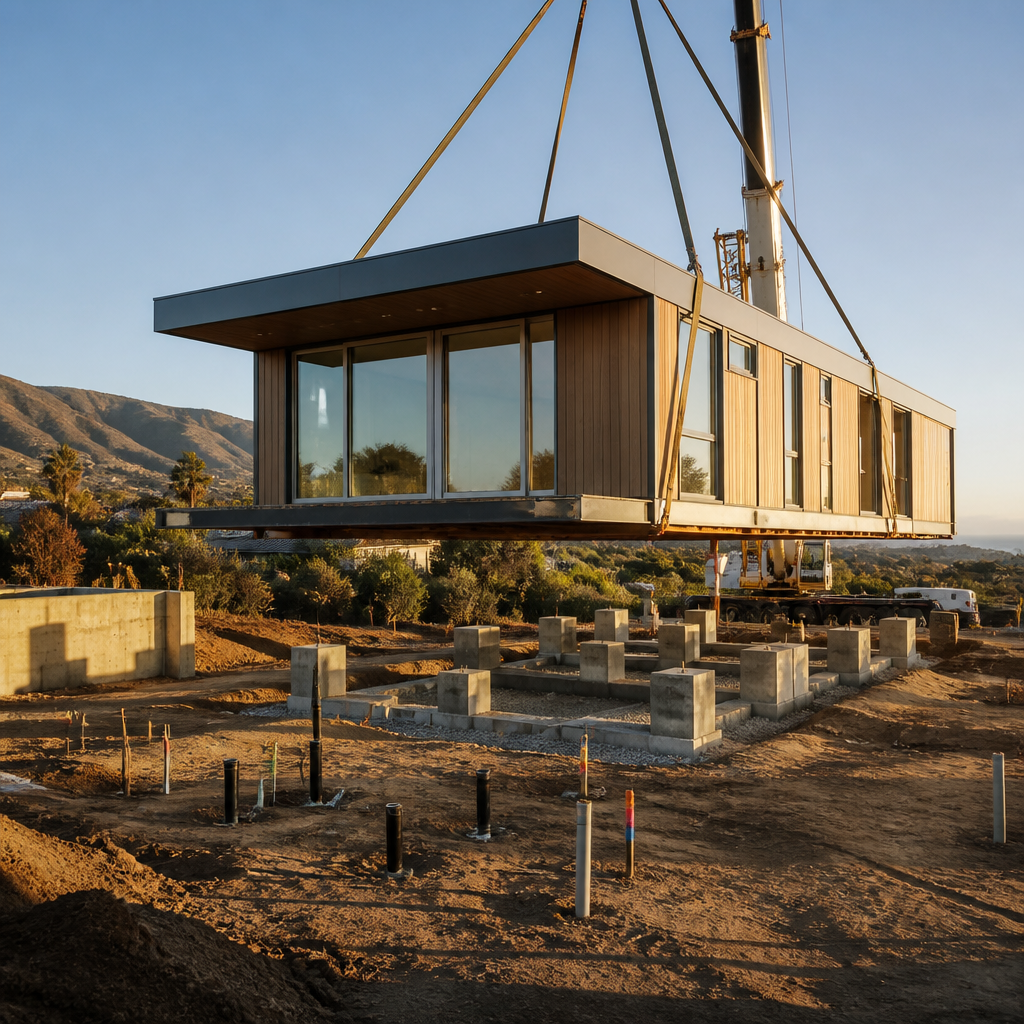
How HCD factory-built housing approval works alongside LADBS or County permits for foundations, utilities, Chapter 7A wildfire requirements, like-for-like rebuilds, insurance, and final occupancy after the Palisades and Eaton fires.
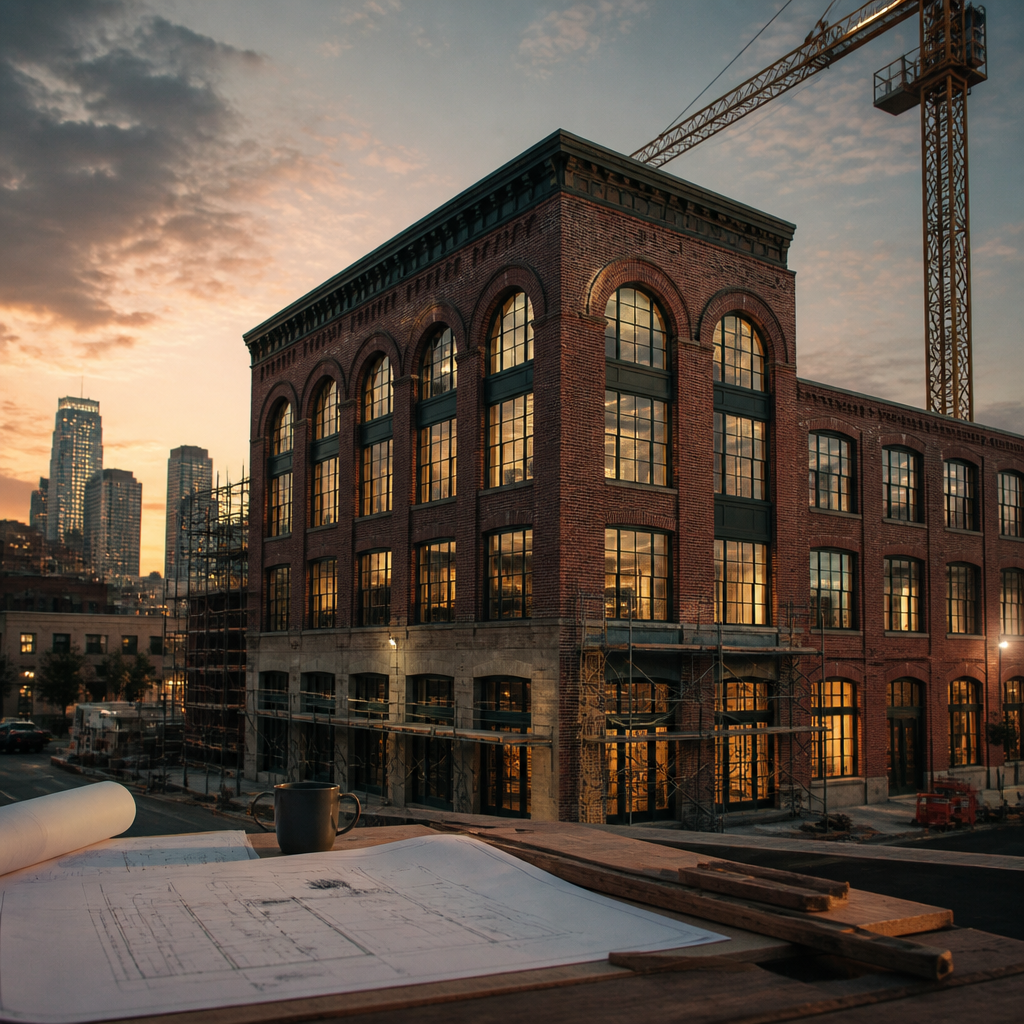
How Ordinance No. 170,916, LAMC Chapter 1A, and the 2026 citywide framework make qualifying office, commercial, and industrial conversions possible — including eligibility, parking, existing-building code flexibility, historic review, and LADBS approval paths.
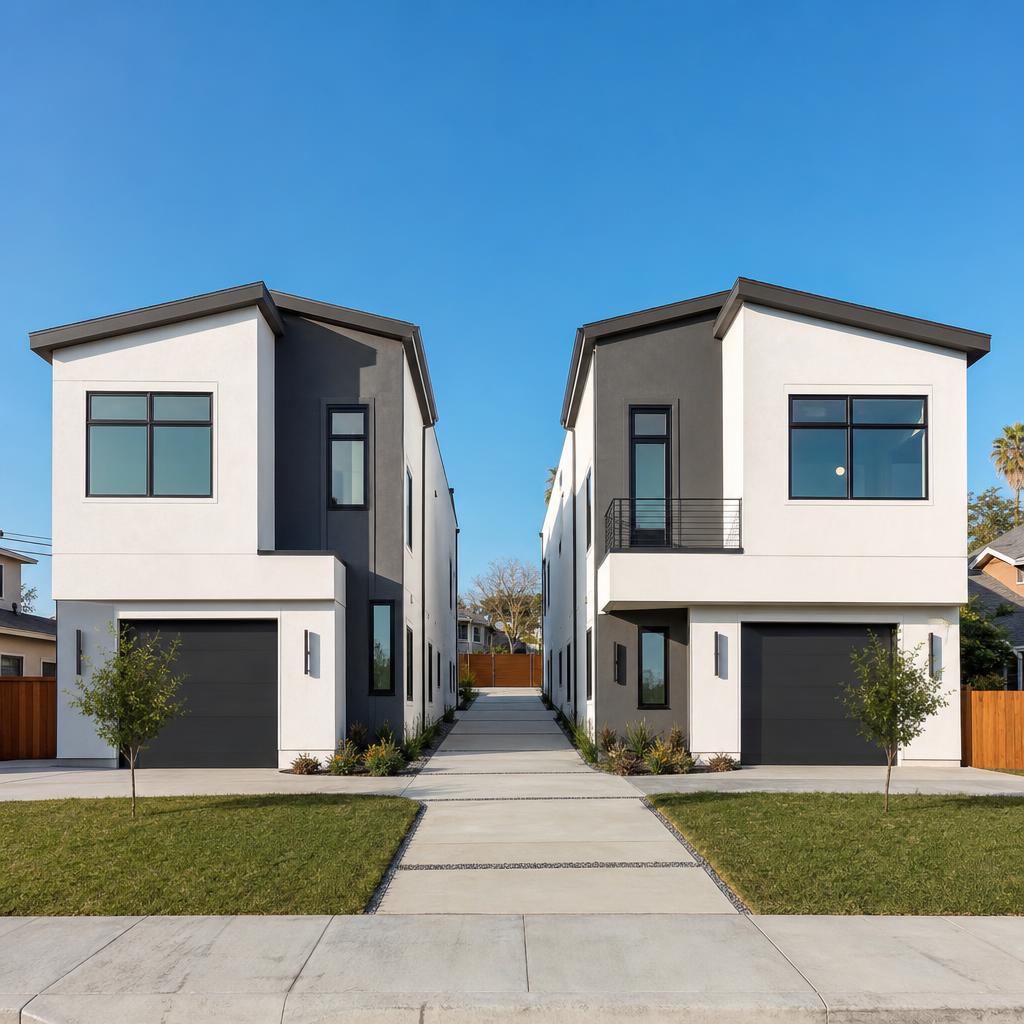
How California Government Code §§65852.21 and 66411.7 work together, the eligibility screens for an SB9 duplex or urban lot split, owner-occupancy requirements, ministerial review, and how SB9 differs from an ADU or conventional subdivision.

What LADBS Express Permit and over-the-counter paths can handle, how EPIC-LA differs for unincorporated County projects, and when a complete multi-agency permit package needs more than an online submission.
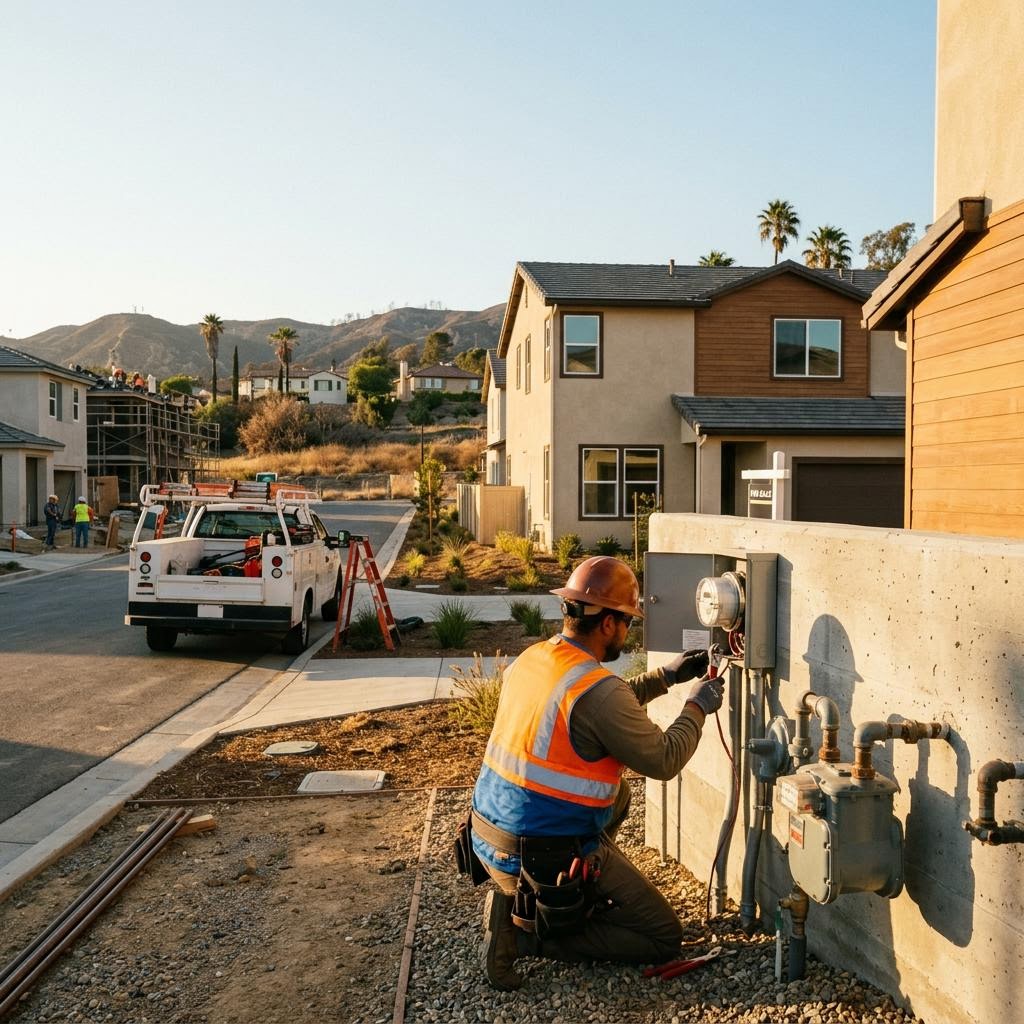
SoCalGas's streamlined wildfire restoration process, how LADWP re-energizes circuits once an area is cleared for residential re-entry, and how to sequence utility reconnection appointments with your LADBS final inspection so a finished rebuild doesn't sit unoccupied.

LADBS calculates permit fees from your project's construction valuation using a bracketed fee schedule. How valuation, plan check fees, issuance fees, CALGreen, and sewer connection charges add up — and how they differ entirely from what a permit expediter charges.
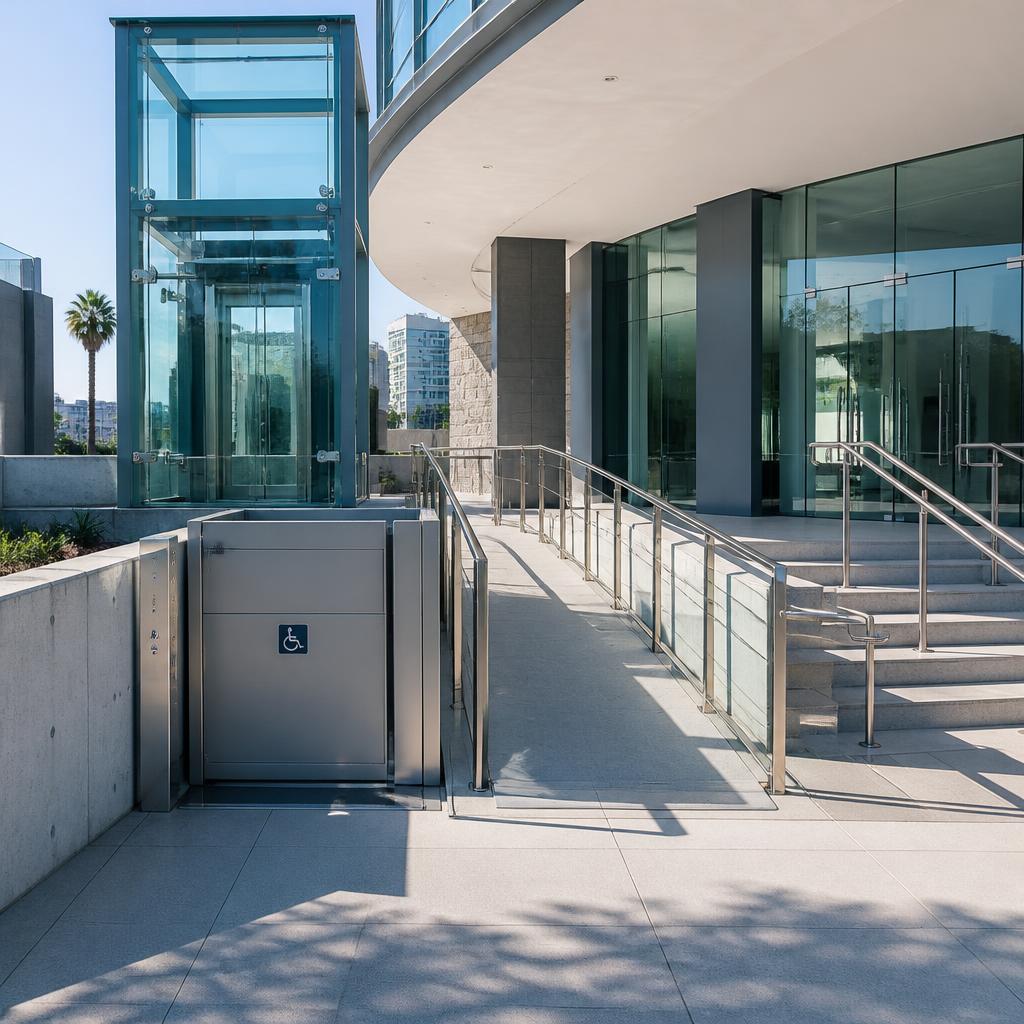
A practical guide to Los Angeles permits for elevators, platform lifts, wheelchair lifts, and stair lifts — building code, LADBS, accessibility, structural, electrical, fire, inspections, and closeout.
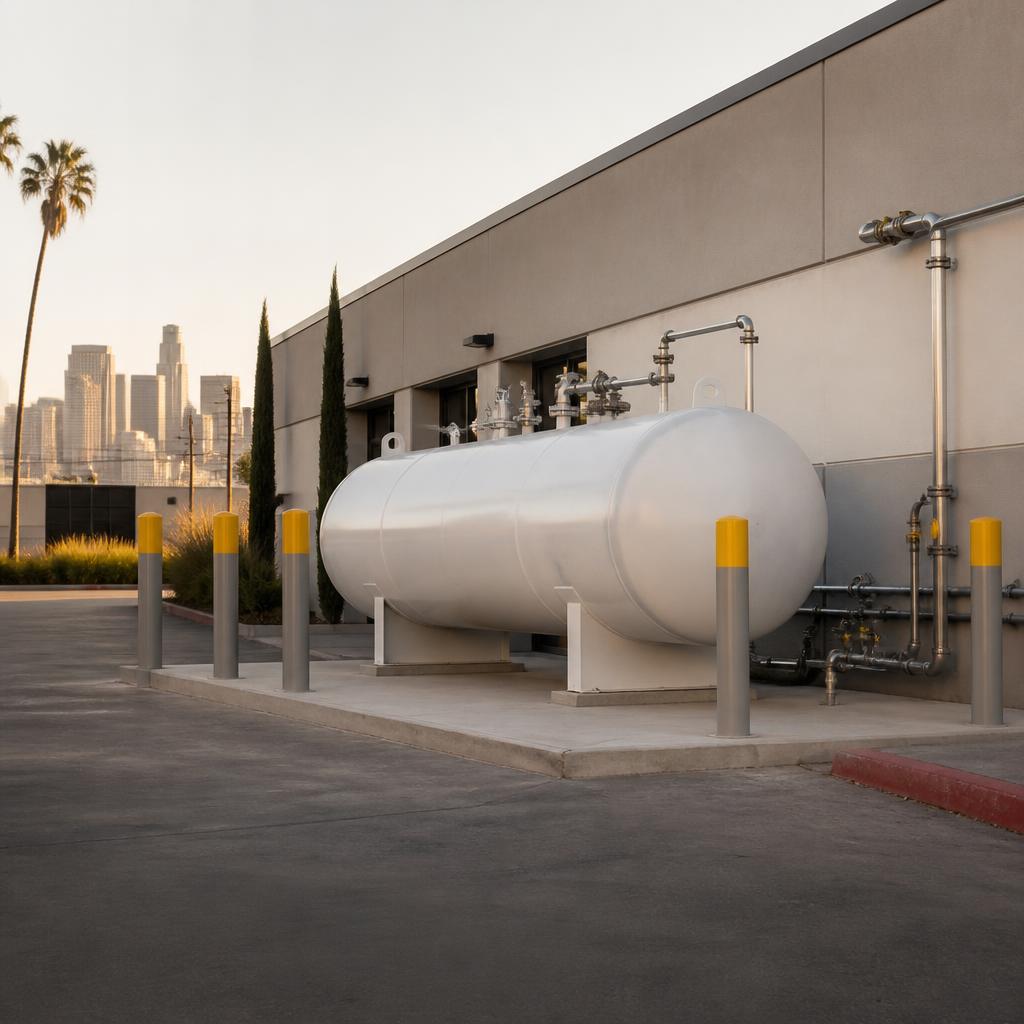
A practical Los Angeles permit guide for above-ground propane tanks and fuel storage: zoning, fire review, tank placement, setbacks, dispensing, hazardous materials, LADBS coordination, and inspections.
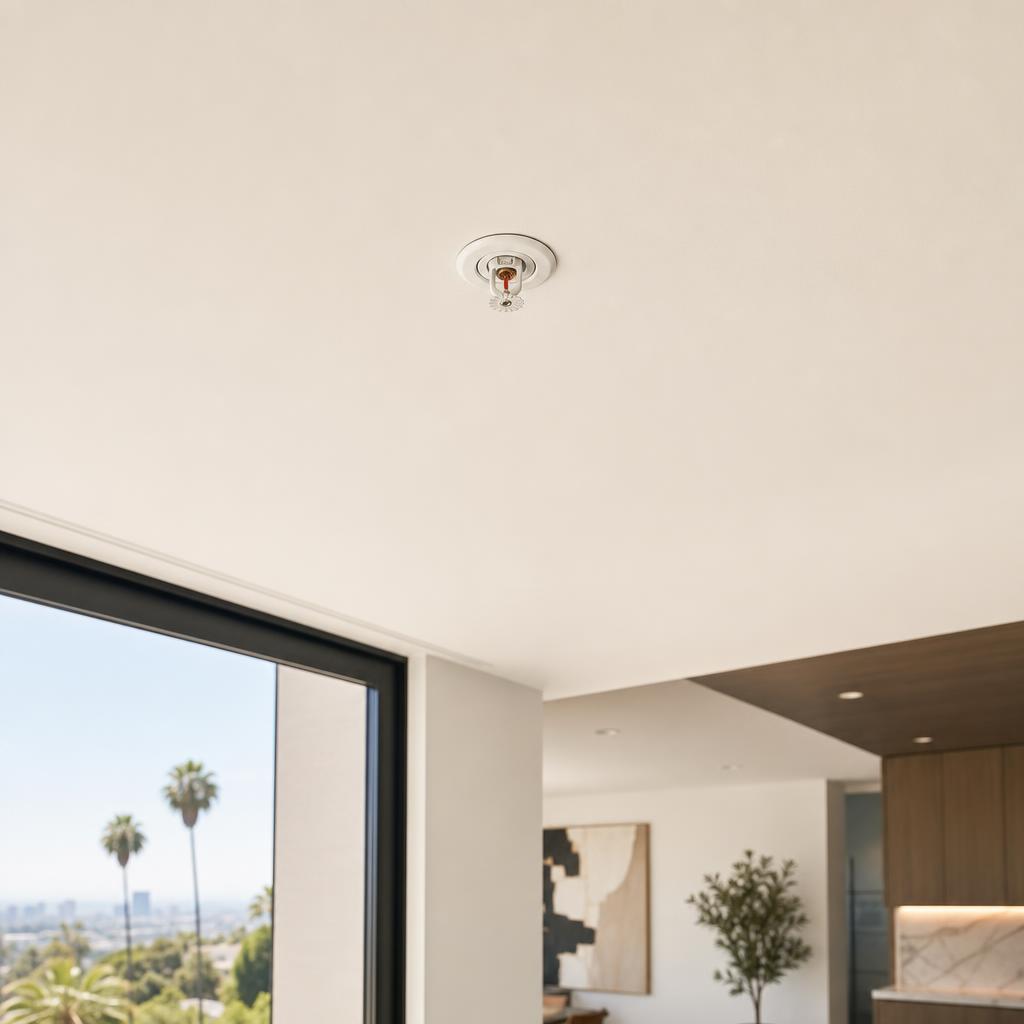
New one- and two-family dwellings must install an NFPA 13D fire sprinkler system under a separate LAFD Fire Prevention Bureau permit — the C-16 contractor requirement, water meter upsizing, typical cost by home size, and how to sequence it so it doesn't stall final inspection on a Pacific Palisades or Altadena rebuild.
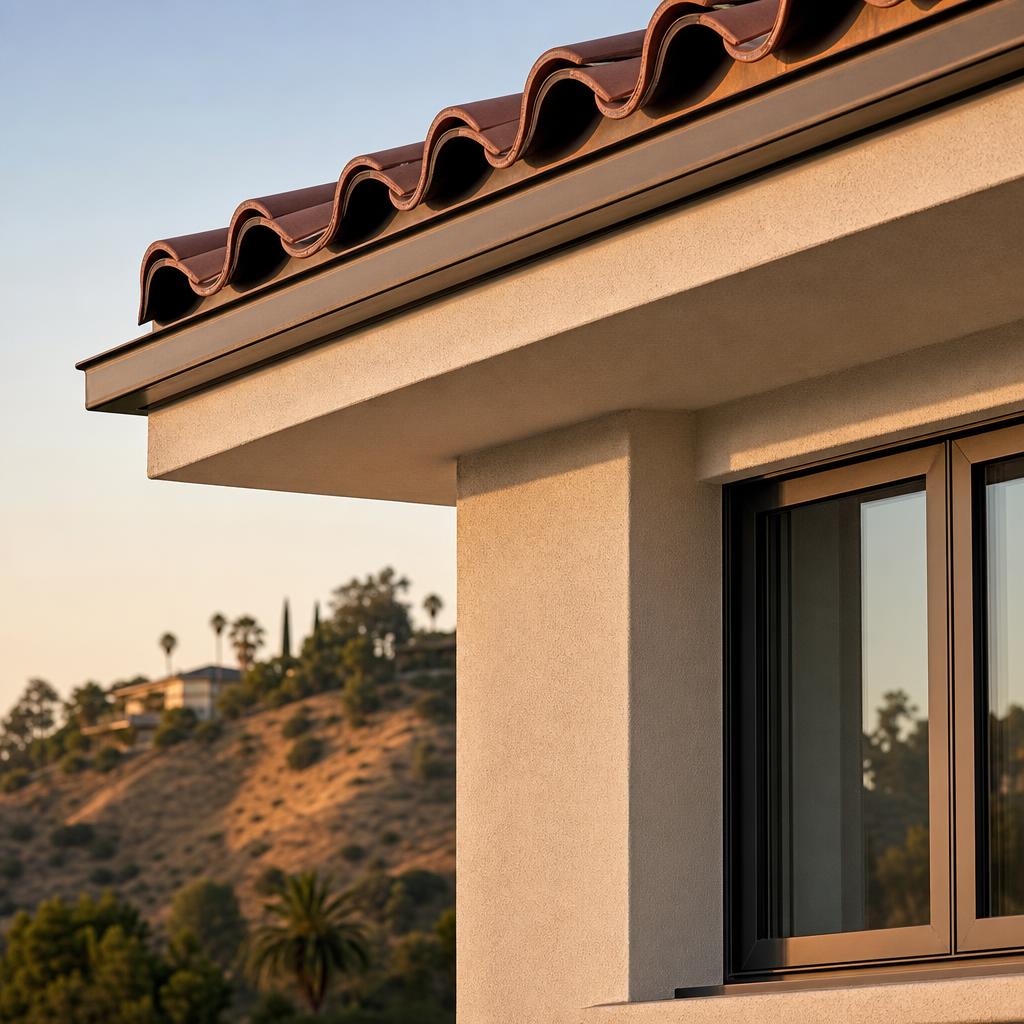
Class A roofing, ember-resistant vents, boxed eaves, ignition-resistant siding and decking, and Zone 0 ember-resistant landscaping — the specific Chapter 7A materials and assemblies LADBS plan check verifies for fire rebuilds in Pacific Palisades, Altadena, Malibu, Topanga, and Bel Air.
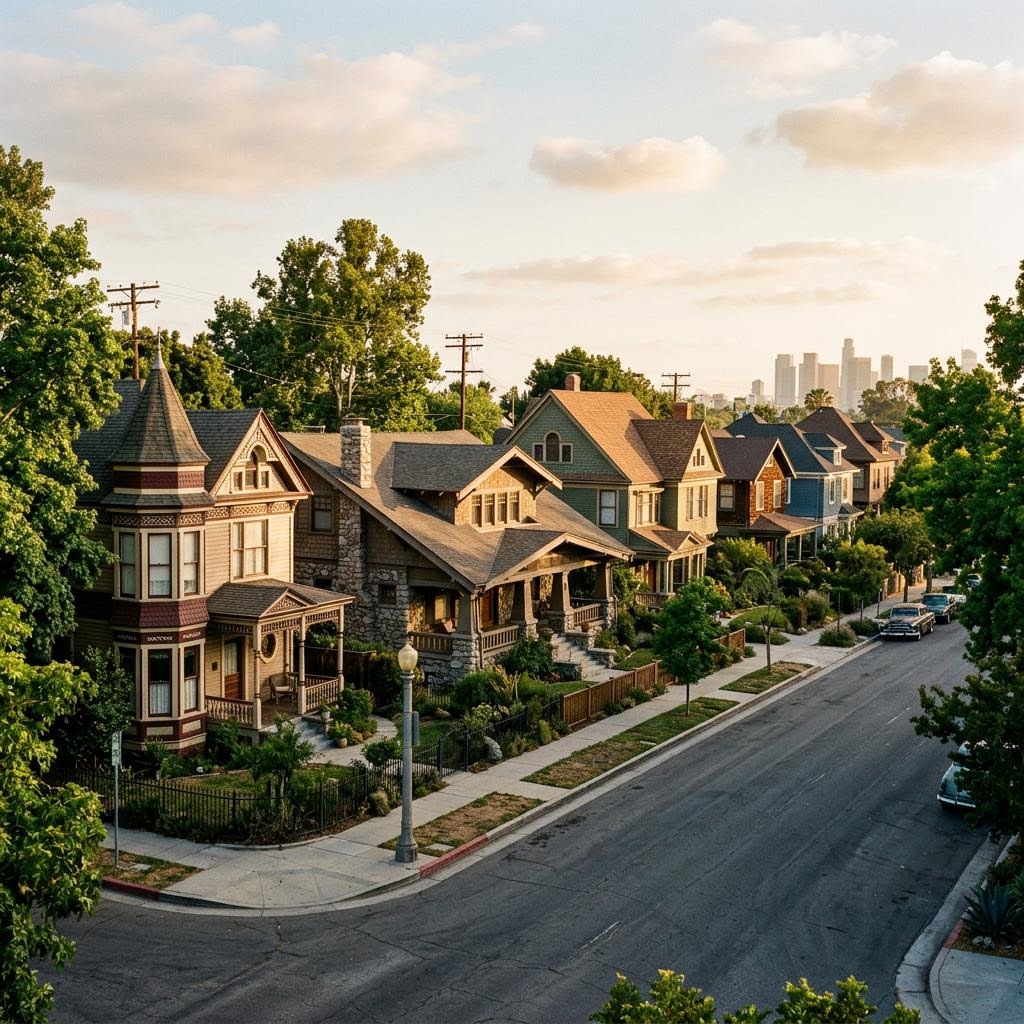
How Historic Preservation Overlay Zone (HPOZ) review works under LAMC 12.20.3 — Certificate of Appropriateness vs. Certificate of Economic Hardship, the Office of Historic Resources, HPOZ Board review, and how it fits alongside a standard LADBS permit.
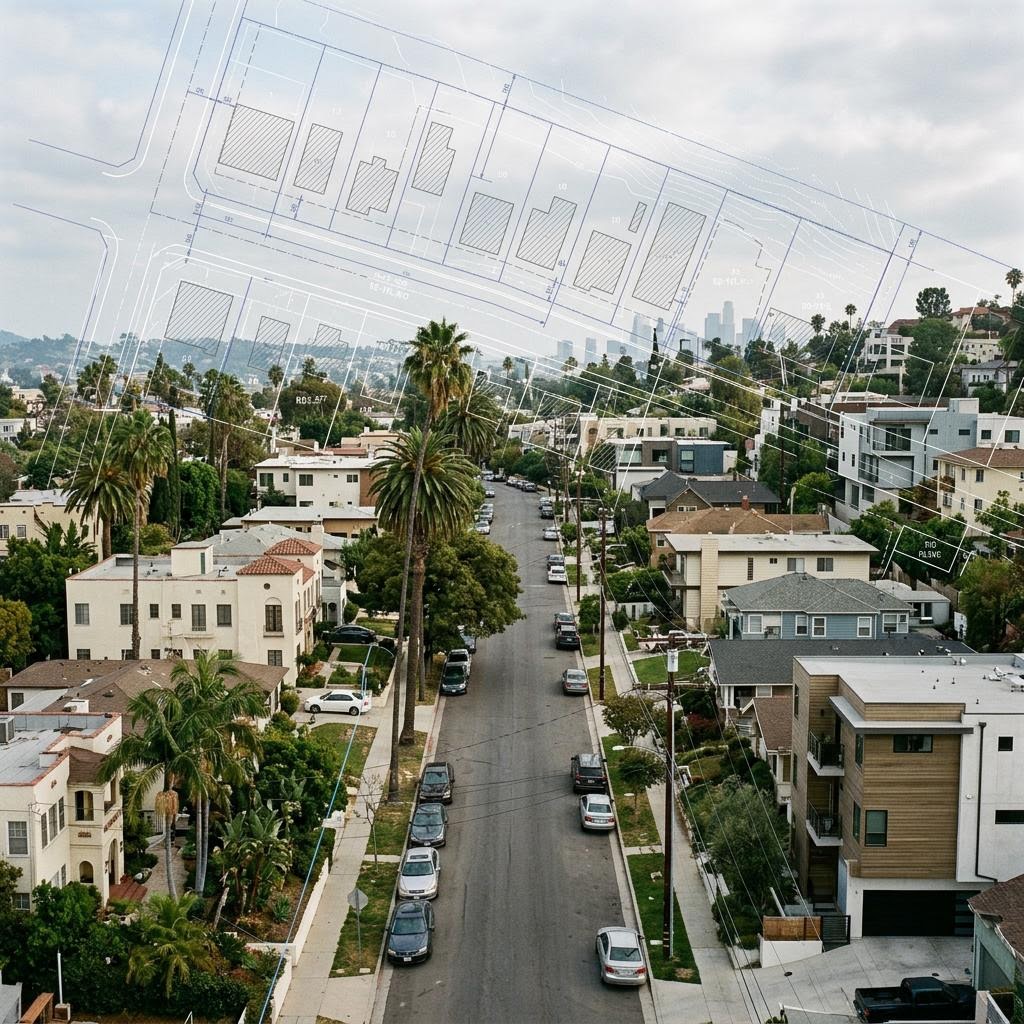
How a zoning variance works under LAMC 12.27 — the required legal findings, the Zoning Administrator hearing process, realistic timelines, and exactly how a variance differs from a Conditional Use Permit.
California requires mandatory inspection of balconies, decks, and other Exterior Elevated Elements on multifamily buildings — SB 721 for rentals, SB 326 for condos and HOAs. Deadlines, inspection requirements, and LADBS repair permitting.
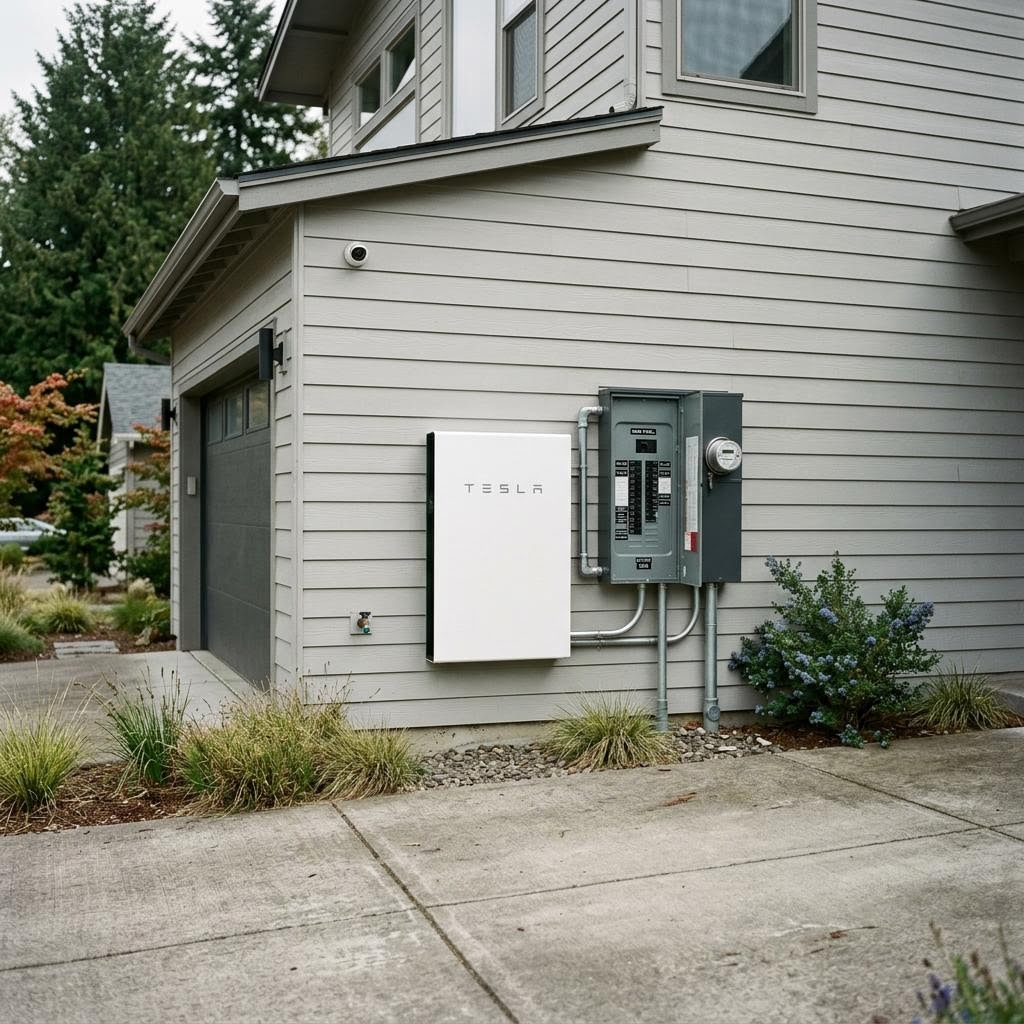
Permitting a Tesla Powerwall, solar battery, or whole-home backup generator — LADBS electrical permit requirements, NEC 706 energy storage code, LAFD clearances, and how battery permitting differs from a solar-only install.
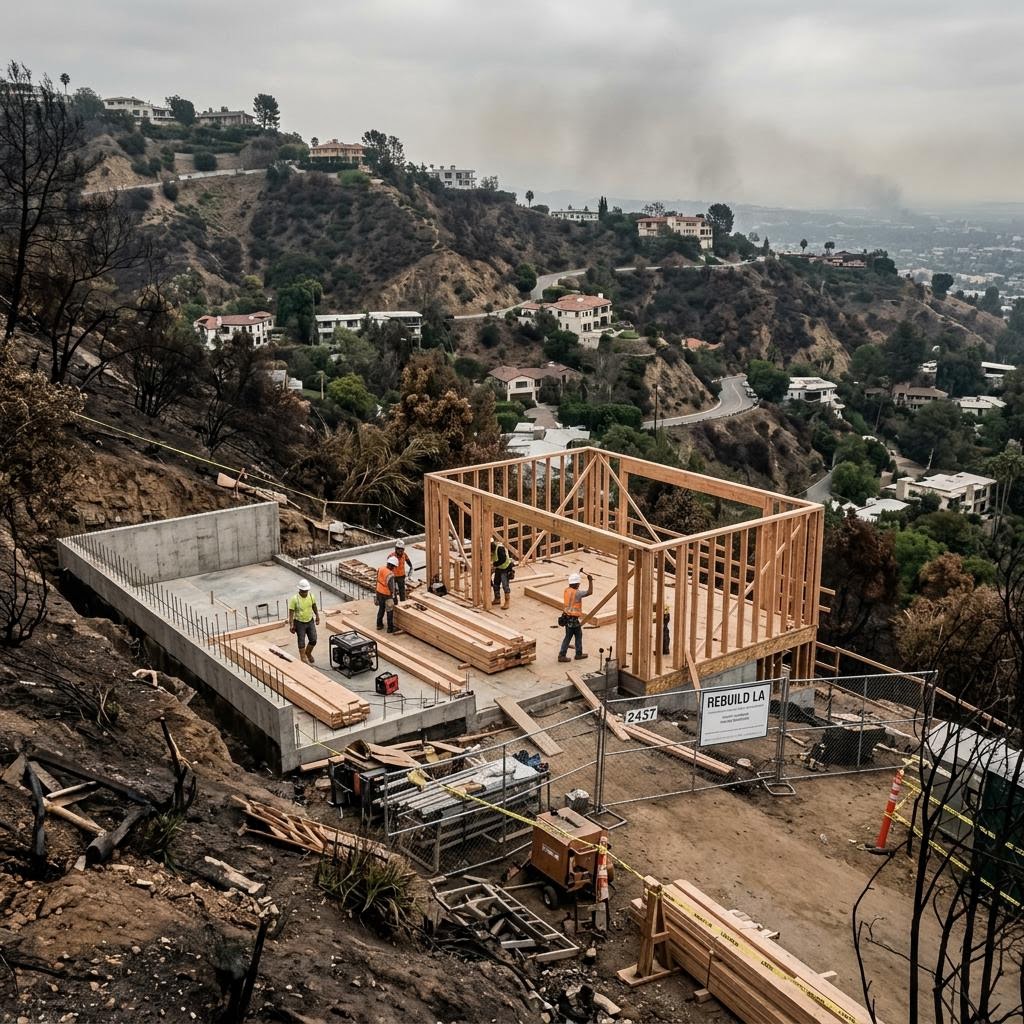
How FEMA's Substantial Damage / 50% Rule affects fire rebuilds in Pacific Palisades and Altadena — repair cost vs. pre-fire value, interaction with Executive Order N-4-25's like-for-like fast-track, and FEMA flood zone elevation requirements.
Governor Newsom's Executive Order N-4-25 suspends CEQA and Coastal Act review for like-for-like fire rebuilds. The 110% footprint-and-height rule, Chapter 7A requirements that still apply, One-Stop Permit Centers, and the realistic fast-track timeline.
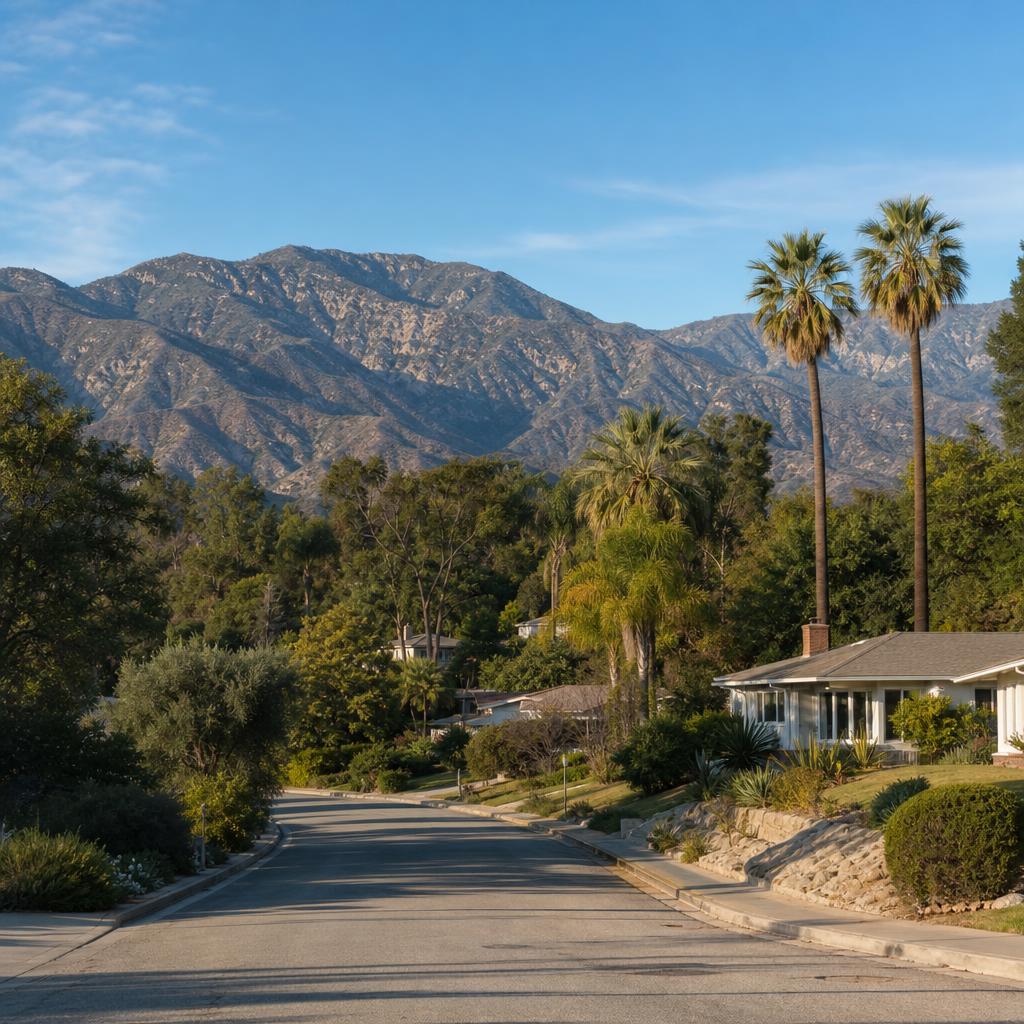
Altadena, Topanga, unincorporated Marina del Rey, and dozens of other communities don't permit through LADBS. LA County Public Works Building and Safety, Regional Planning, the One-Stop Permit Centers for fire rebuilds, and the full step-by-step process.
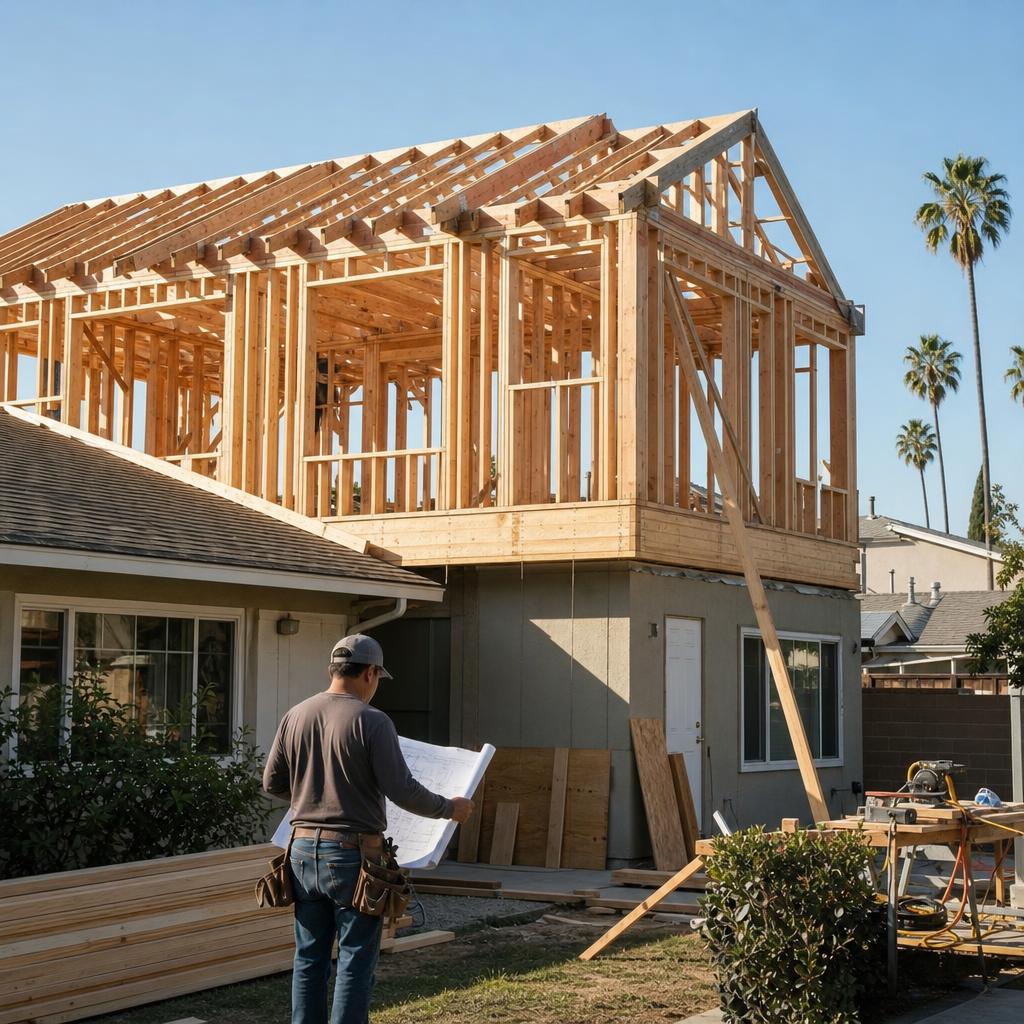
FAR and height limit calculations, setback and stepped-back second-story rules, structural plan check for new upper-floor loads, Title 24 compliance, and realistic cost and timeline for room additions and second stories.
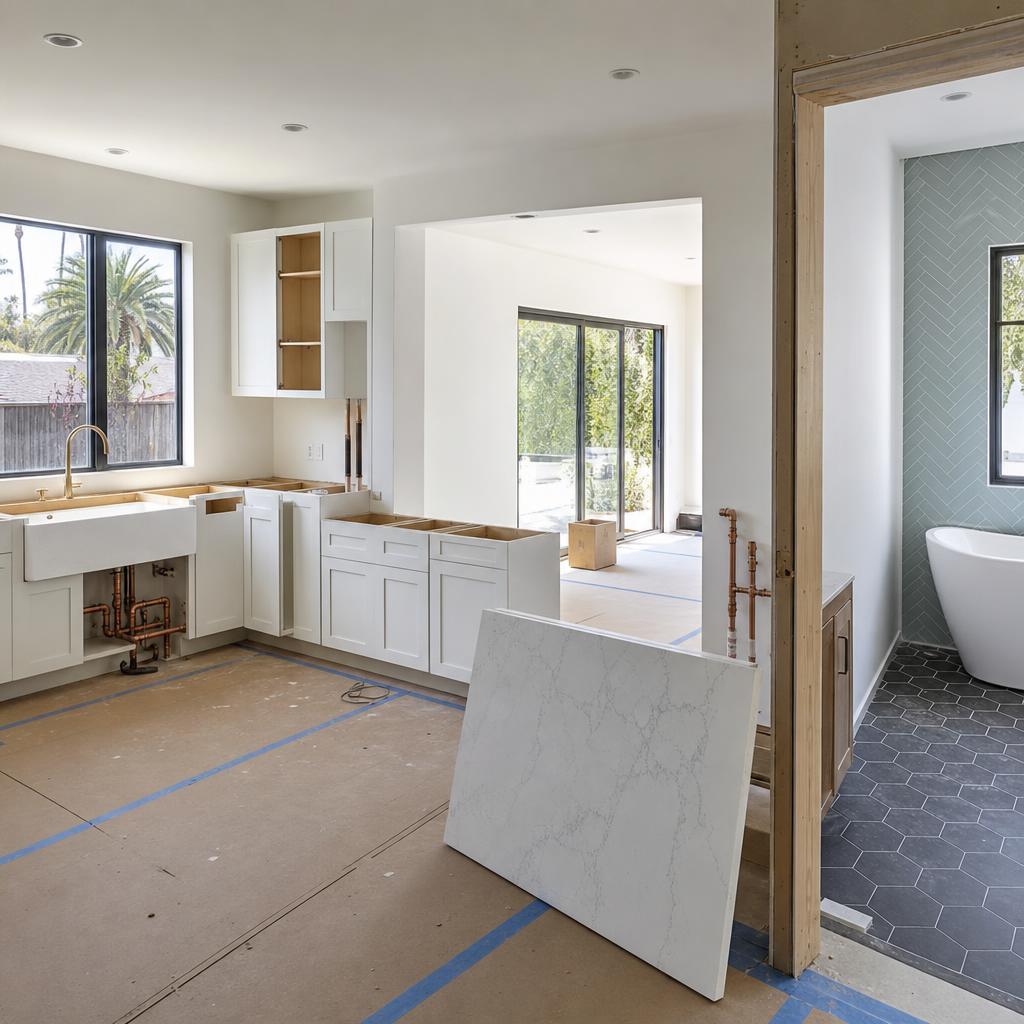
When a kitchen or bath remodel needs a permit, how LADBS's Express Permit program can fast-track systems-only work, plumbing and electrical code requirements, waterproofing inspections, and cost and timeline by scope.
A permit expediter, an architect, and a general contractor all touch the LADBS permitting process, but none of them owns it end-to-end by default. What each role actually does — and doesn't — in front of LADBS.
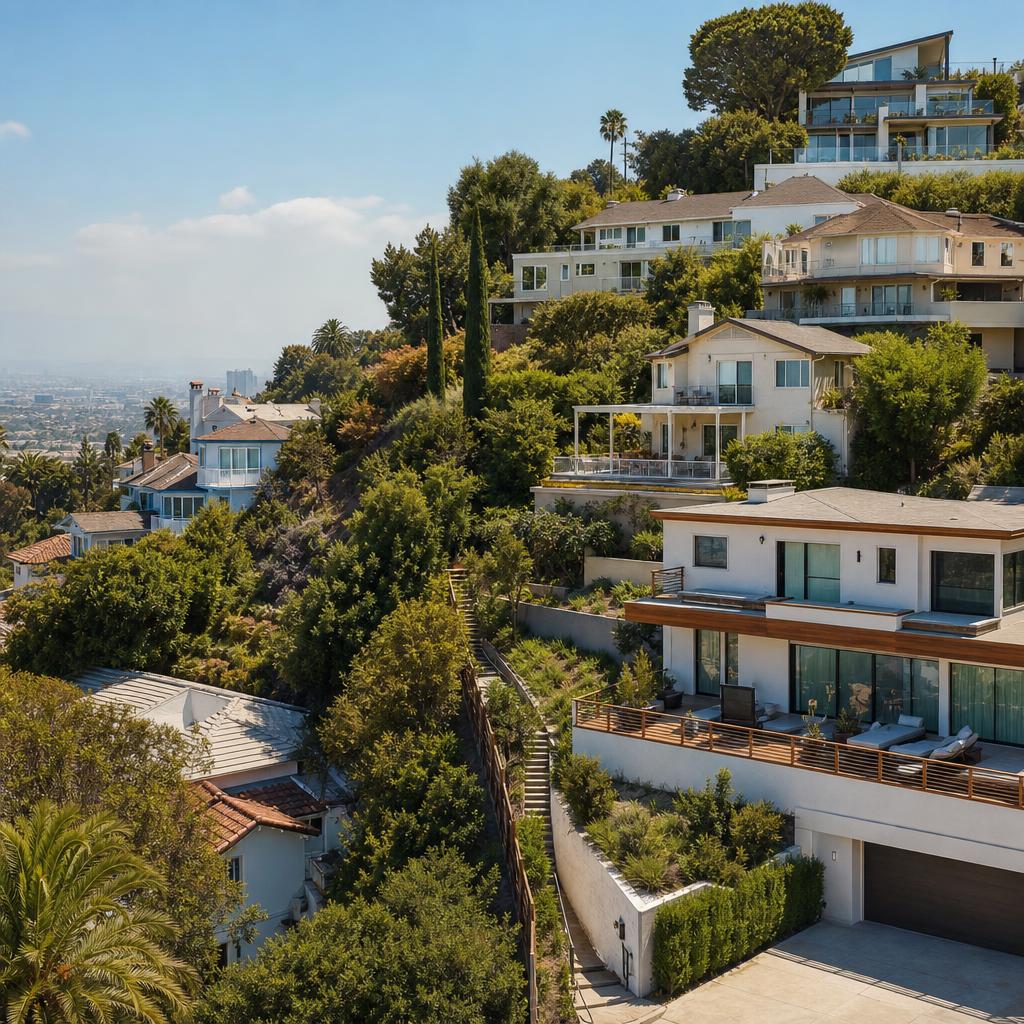
The Baseline Hillside Ordinance caps how much floor area a Los Angeles hillside lot can support, limits grading quantities, and sets a defined grade point for height. What the BHO regulates, which neighborhoods it covers, and how LADBS verifies compliance.
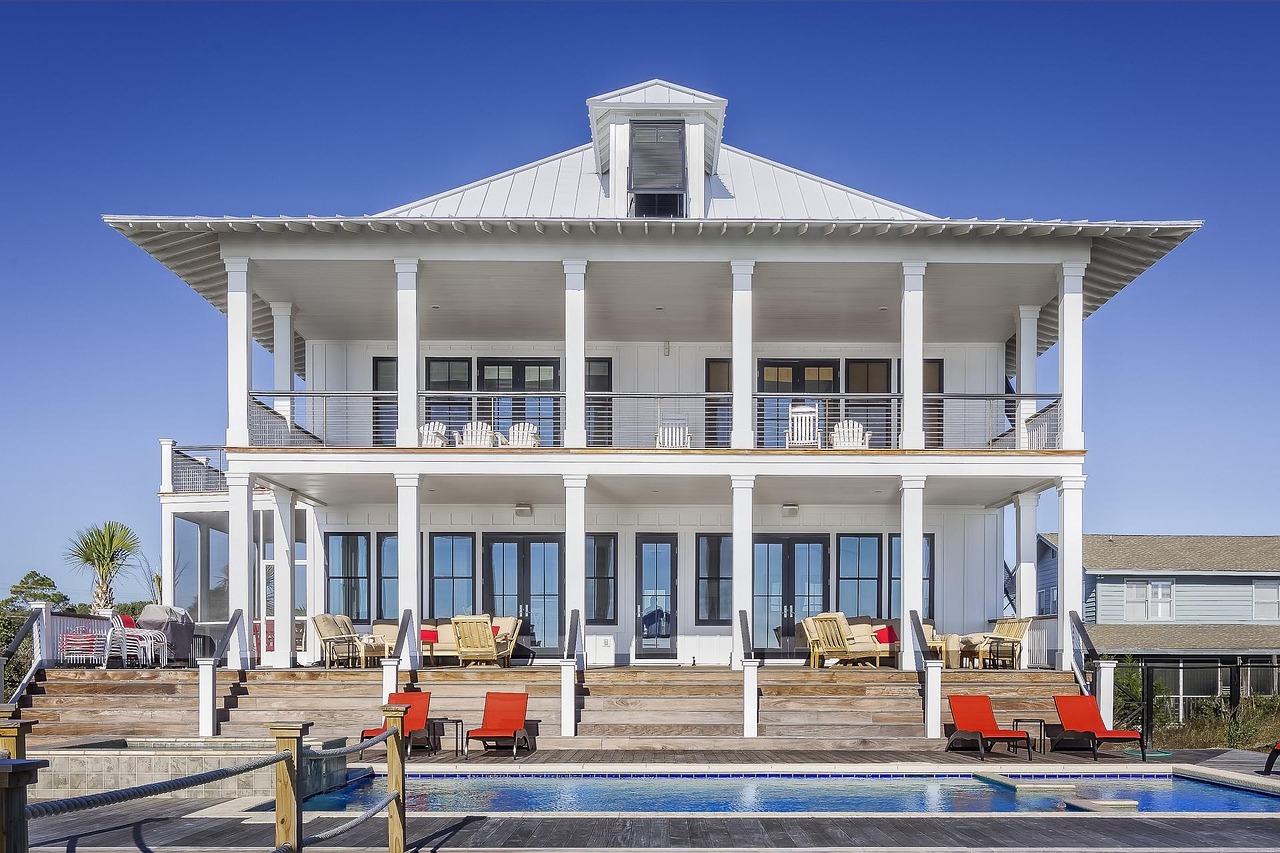
New construction, additions, and substantial remodels in a mapped Very High Fire Hazard Severity Zone must comply with Chapter 7A of the California Building Code — ignition-resistant materials, protected eaves, ember-resistant vents, and more.

There isn't one 'best' permit expediter in Los Angeles — there's a best category of option for your specific project. The four real paths to getting a permit through LADBS or LA County, and the objective criteria to evaluate any of them against.
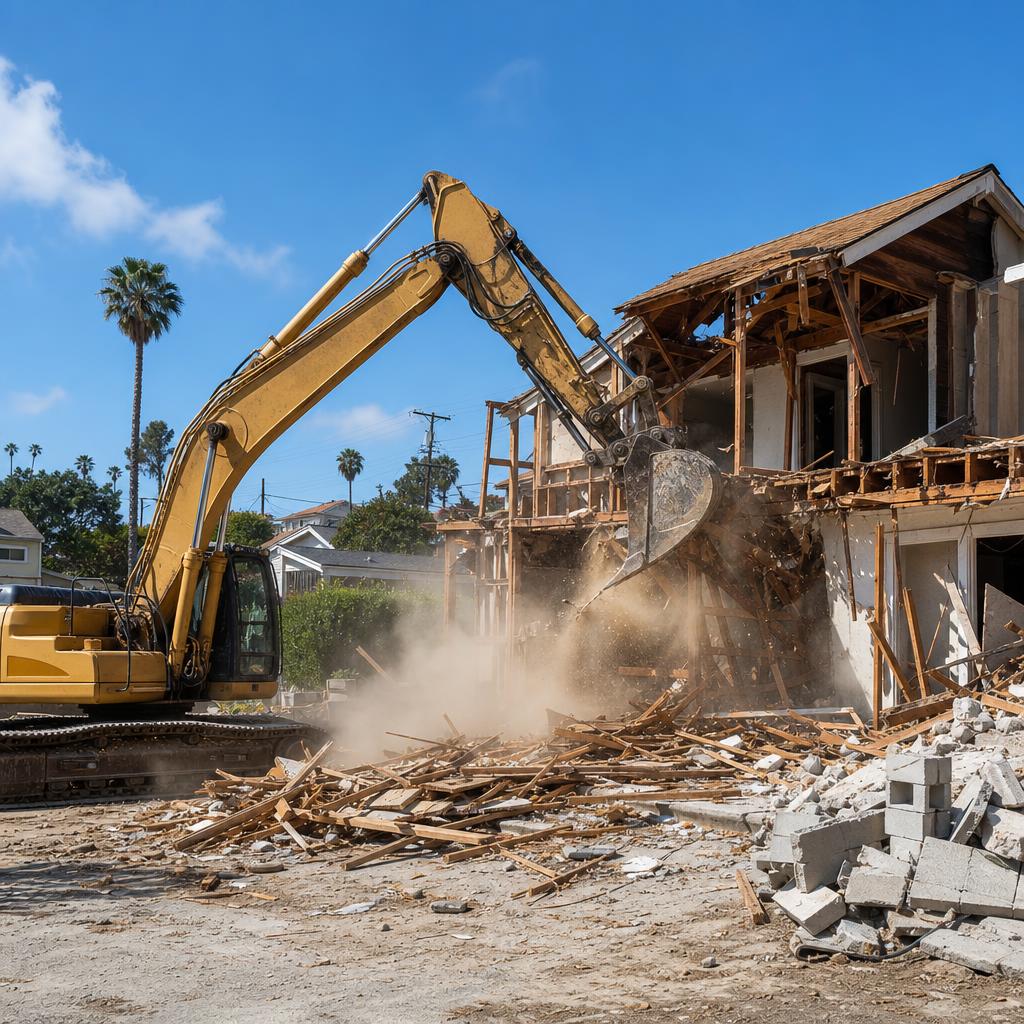
A full or partial demolition in the City of Los Angeles requires an LADBS demolition permit, an asbestos survey and AQMD notification, utility disconnects, and City recycling compliance before a wrecking crew can legally start.
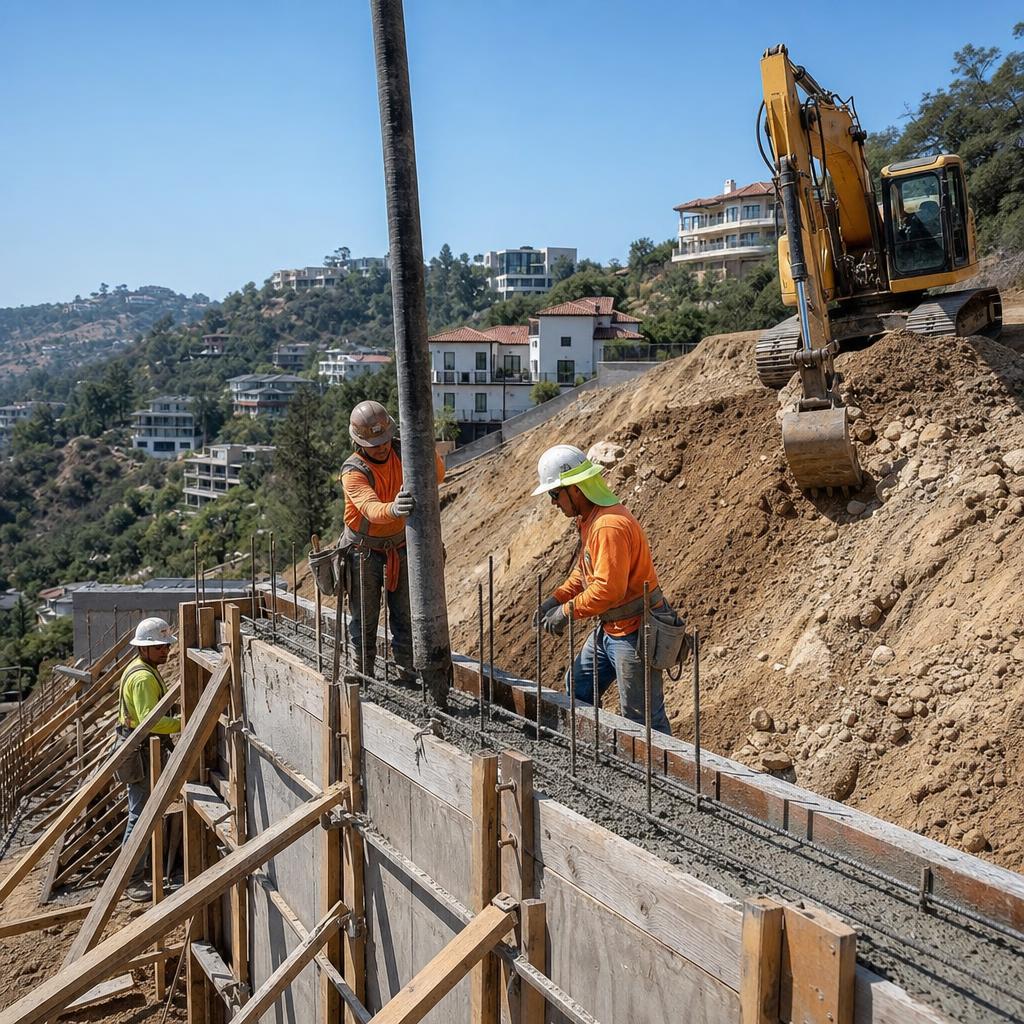
How the Baseline Hillside Ordinance regulates grading, retaining wall height and setbacks, and hillside floor area — and when a geotechnical report and structural engineering are required, including for hillside fire rebuilds.
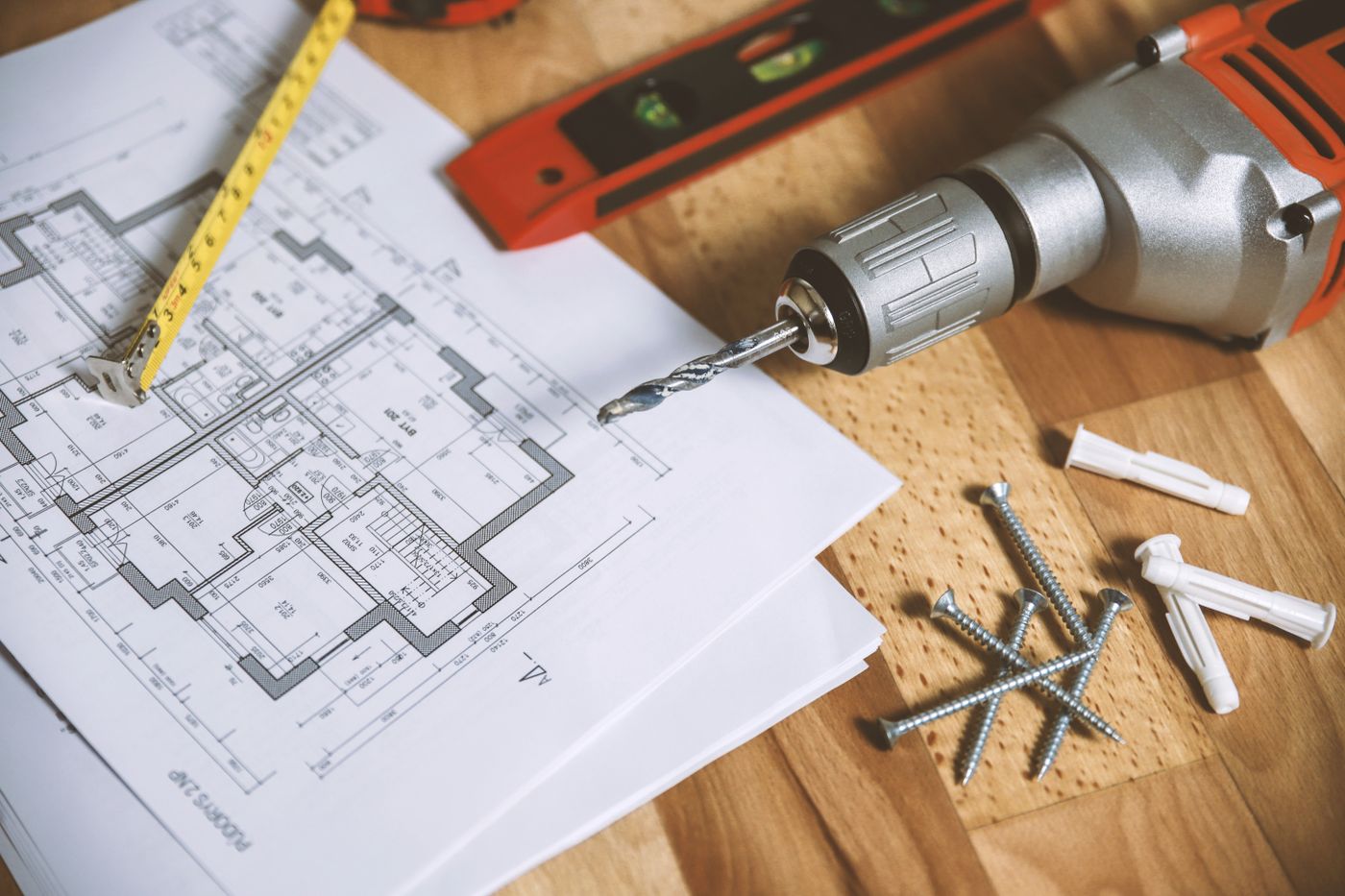
The legal basis for California's owner-builder exemption, why you have to sign an acknowledgement form before LADBS issues the permit, the real liability risks, and when hiring a licensed contractor or a permit expediter makes more sense.
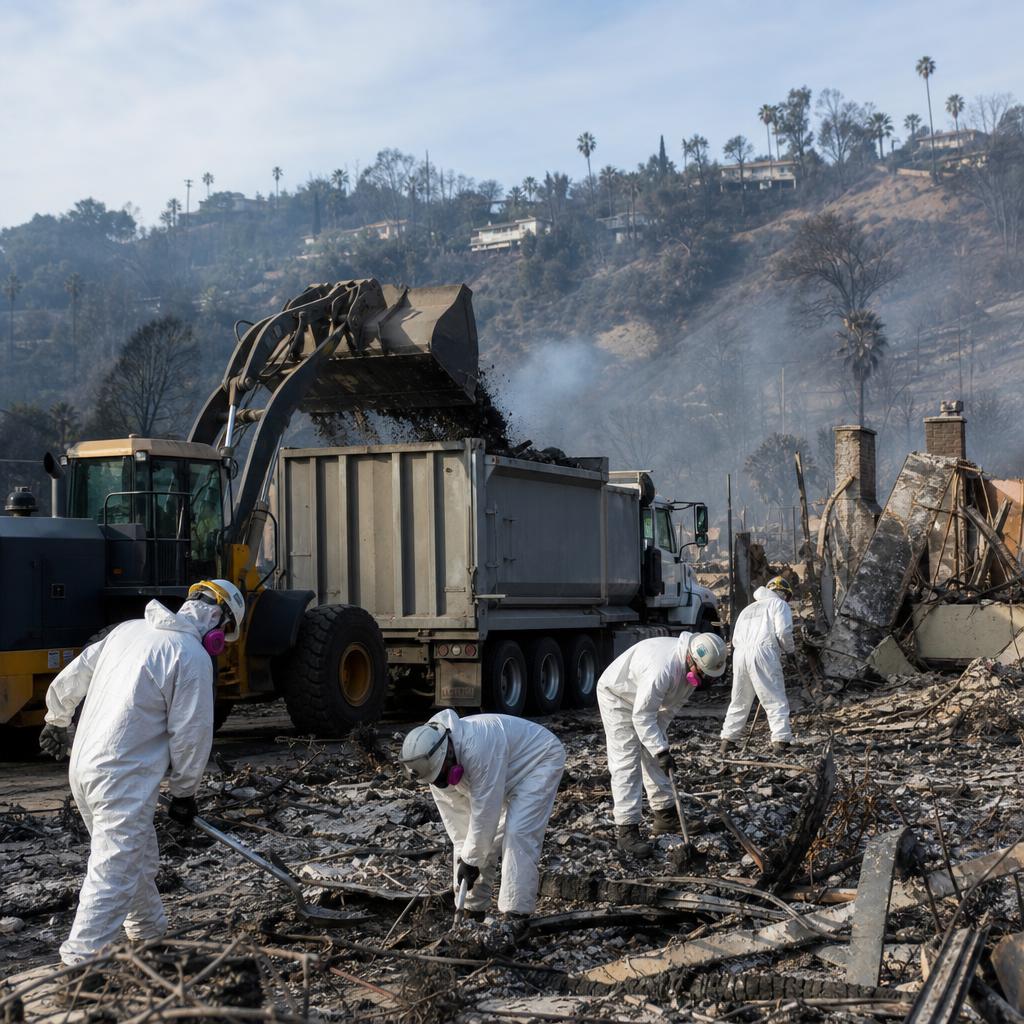
How the two-phase EPA/Army Corps of Engineers debris removal program works for Pacific Palisades and Altadena, the Right-of-Entry form vs. the private opt-out pathway, and why documented soil clearance is a hard prerequisite before LADBS or LA County will issue a rebuild permit.
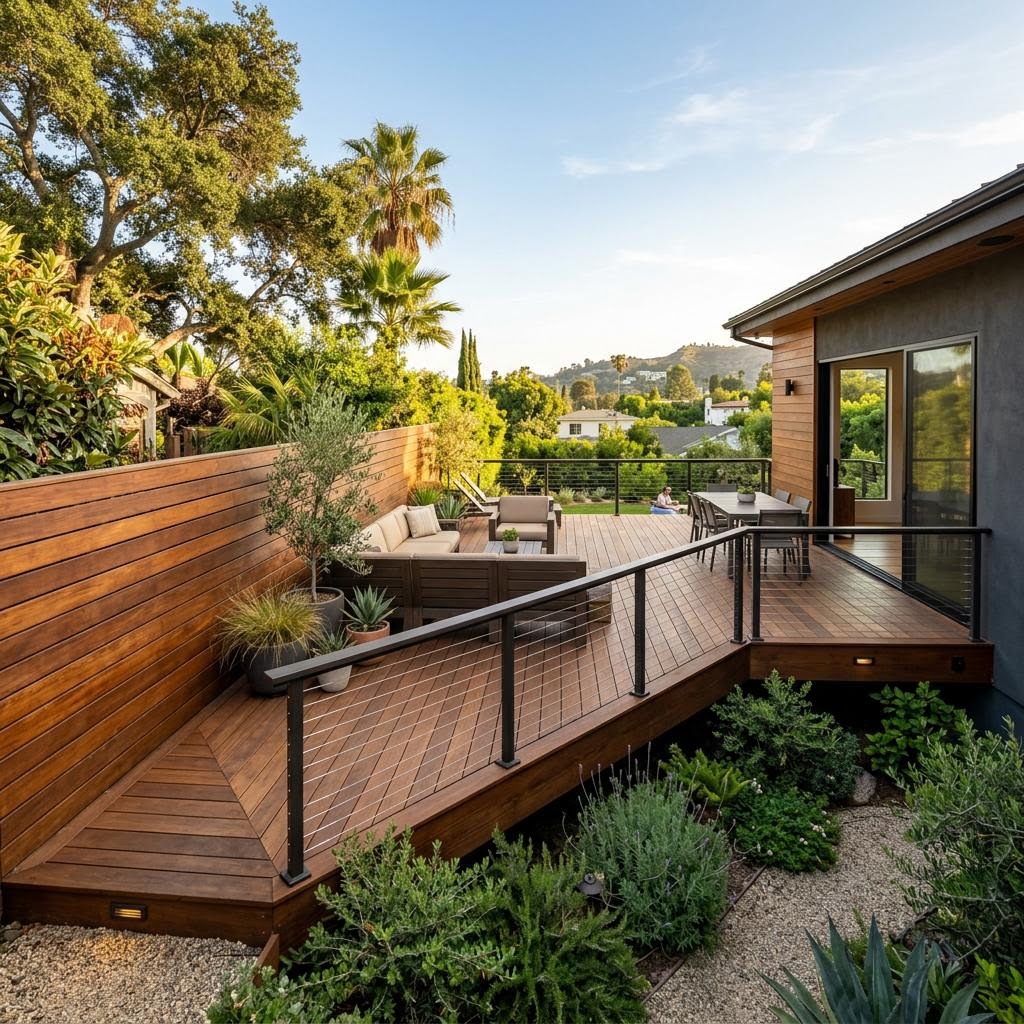
When a deck needs a permit, guardrail and 4-inch sphere rules, LA's zoning fence-height limits by yard location, hillside retaining-wall math, pool-barrier overlap, and HPOZ Certificate of Appropriateness requirements.
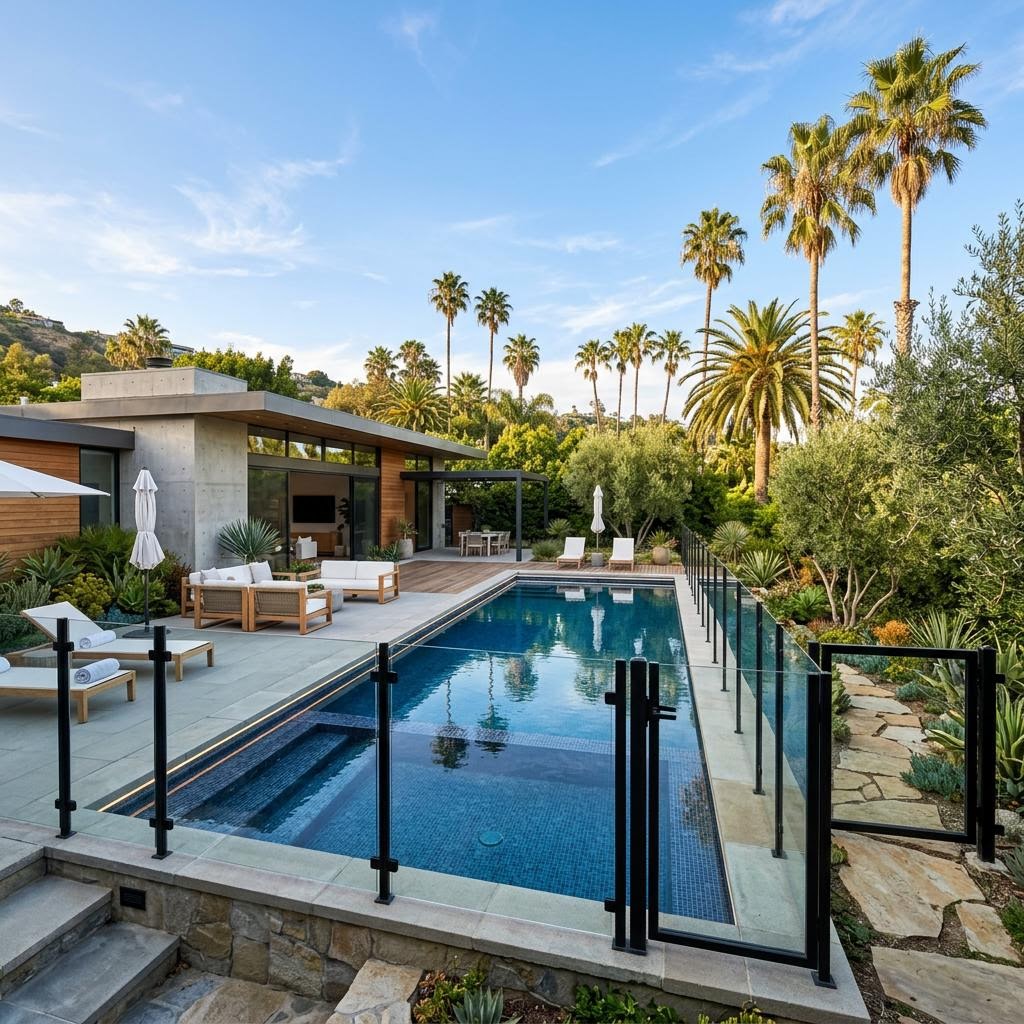
LADBS's building, electrical, plumbing, and grading permits for a new pool, California's Swimming Pool Safety Act (Health & Safety Code §115922), hillside geotechnical review, Title 24 equipment rules, and LASAN backwash discharge requirements.
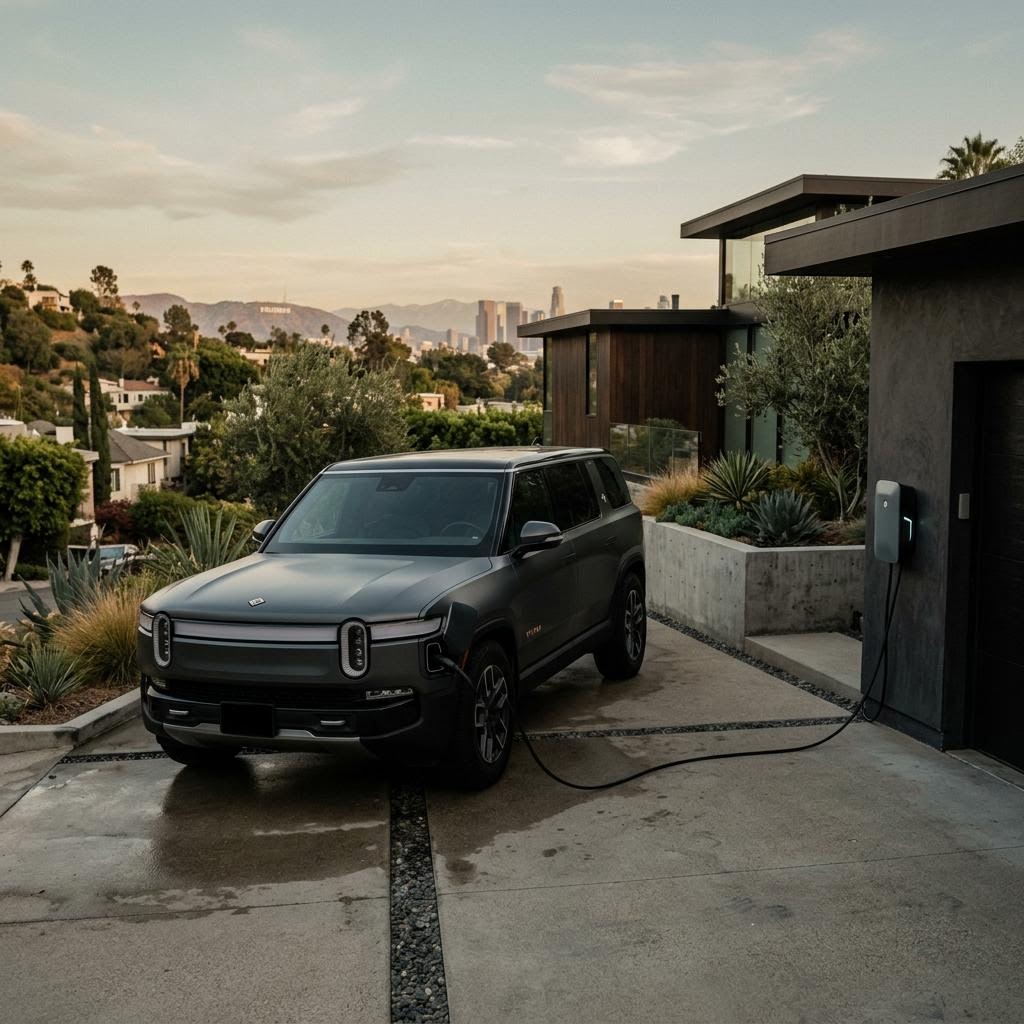
How to get an EV charger permit in LA — LADBS's Express Permit process under AB 1236, CALGreen EV-ready requirements for new construction, HOA rights under Civil Code §4745, panel upgrades, and LADWP rebate programs.
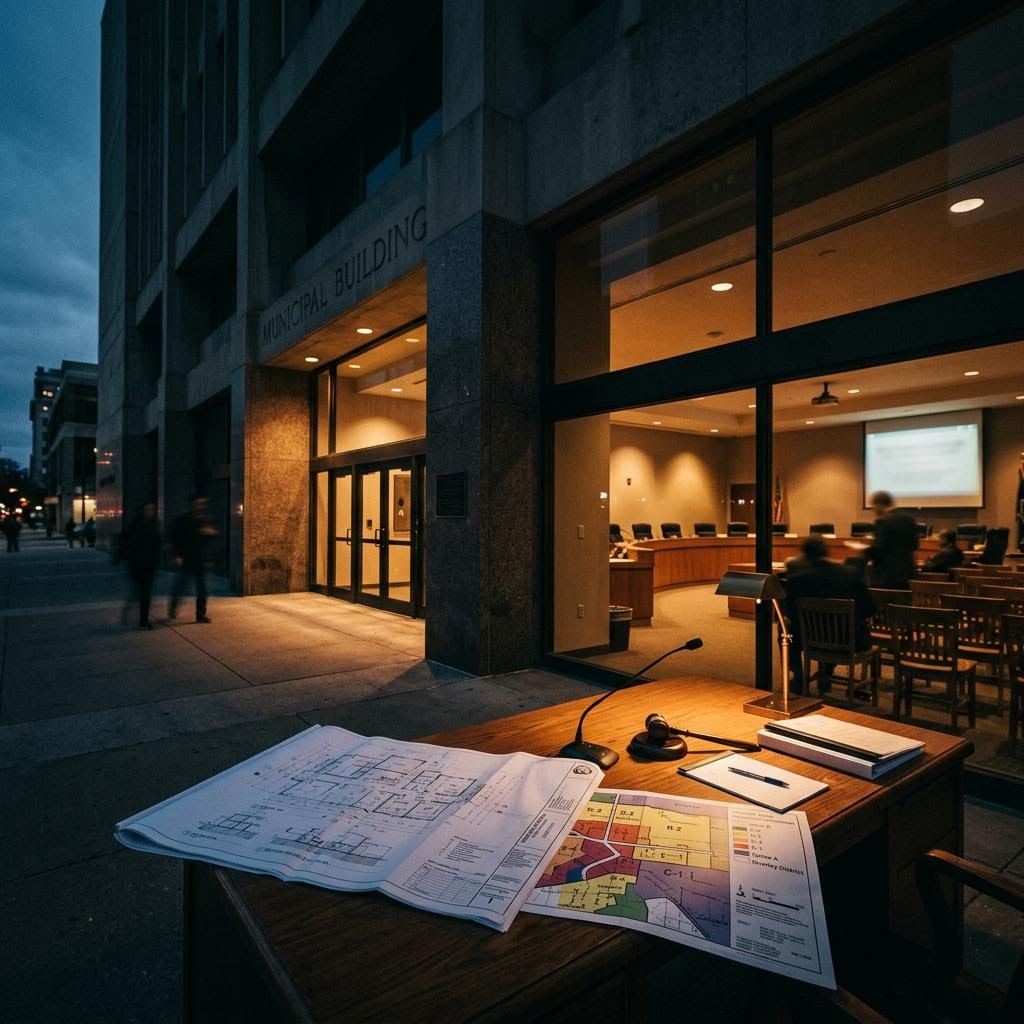
What a Conditional Use Permit (CUP) is under LAMC 12.24, which uses need one, how it differs from a Variance or Zone Change, the step-by-step process, realistic timelines, CEQA review levels, and the Conditional Use Beverage (CUB) process for alcohol sales.

A neutral, direct comparison of two national permit-tech platforms — PermitFlow and Pulley — their funding, models, and coverage claims, and where LA and fire-rebuild projects need more than software alone.
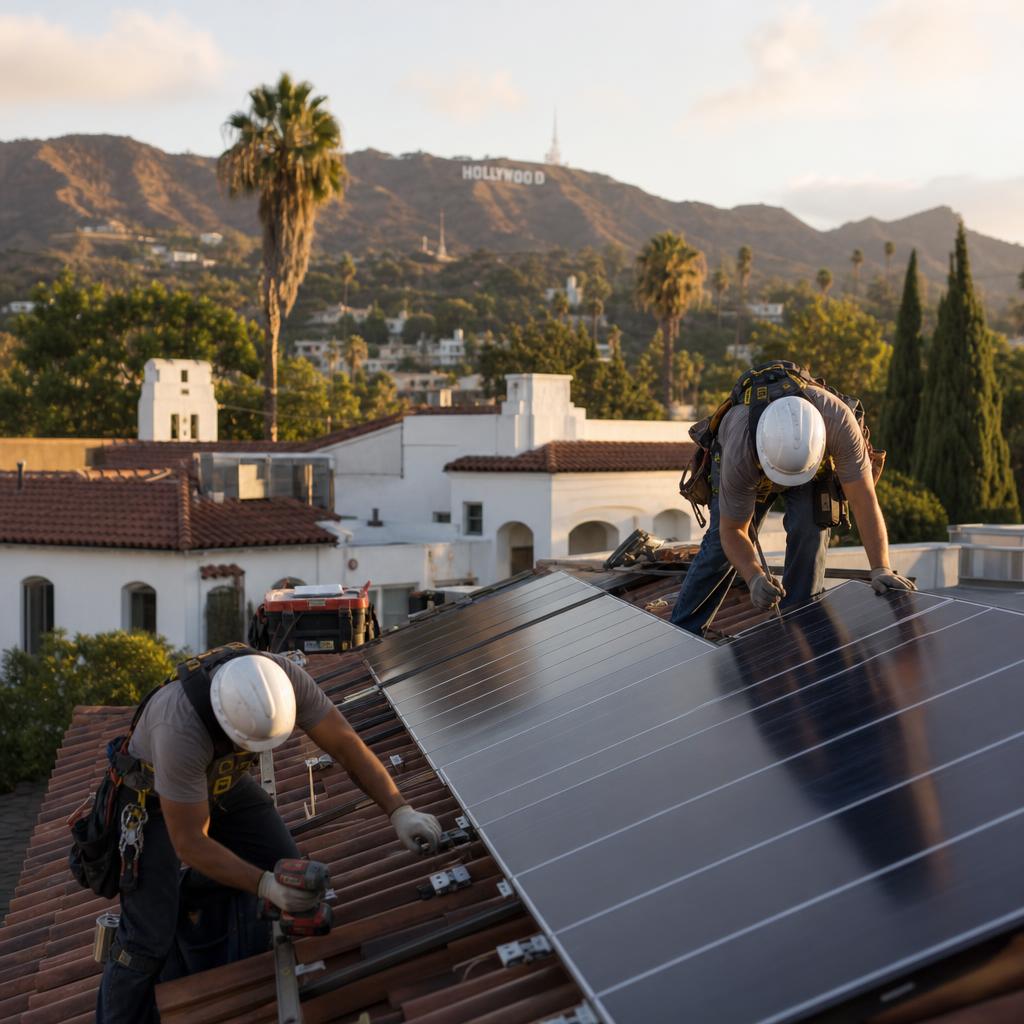
Solar and battery storage permitting in LA runs through two separate agencies — LADBS for the building permit and LADWP for interconnection and net metering. SolarAPP+ instant permitting, LAFD rooftop fire-code rules, and the rebuild rules for Pacific Palisades and Altadena.
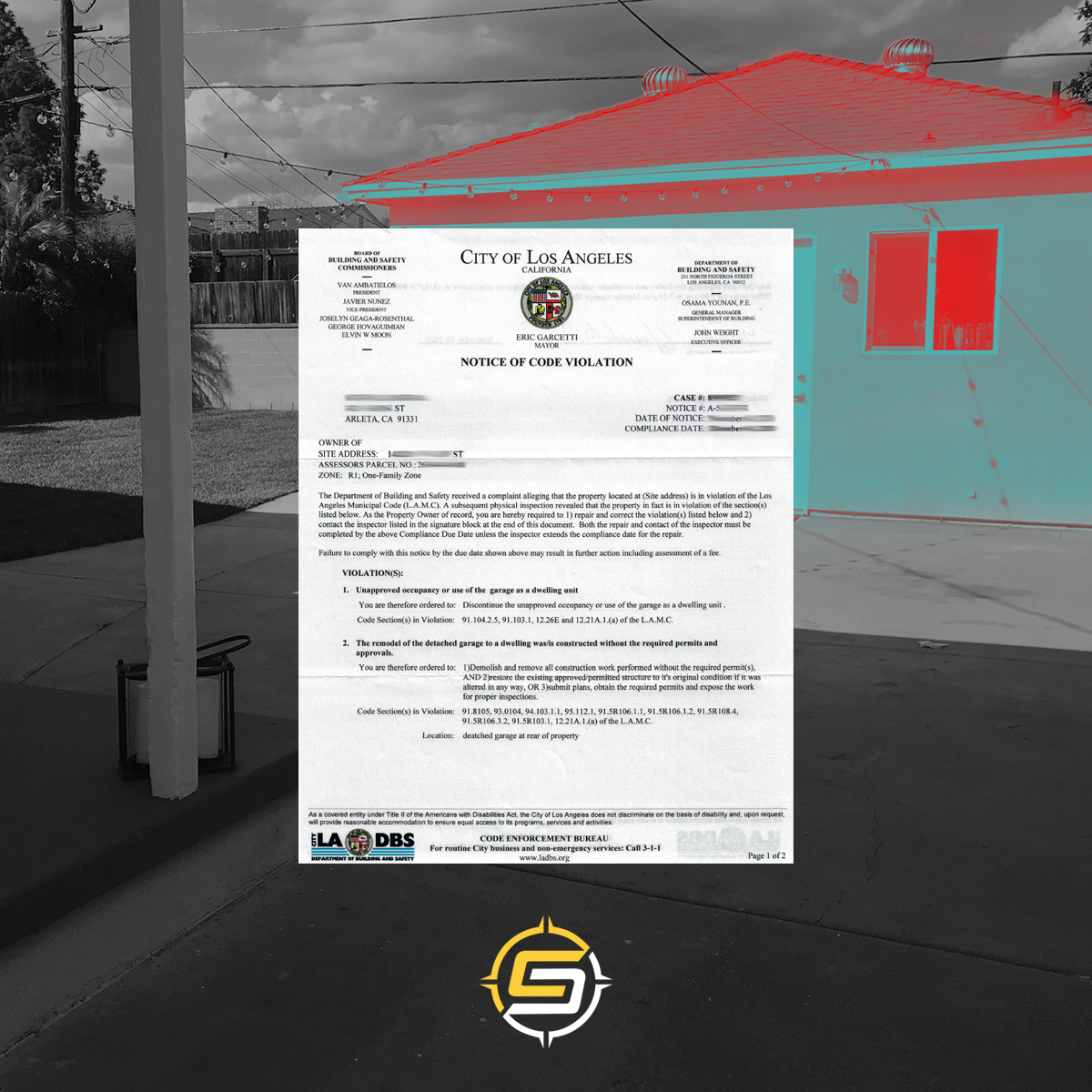
How LADBS plan check, permitting, and inspections actually work, step by step — the four submittal tracks, multi-discipline review, correction cycles, the inspection sequence, and the separate wildfire rebuild frameworks for Pacific Palisades and Altadena.
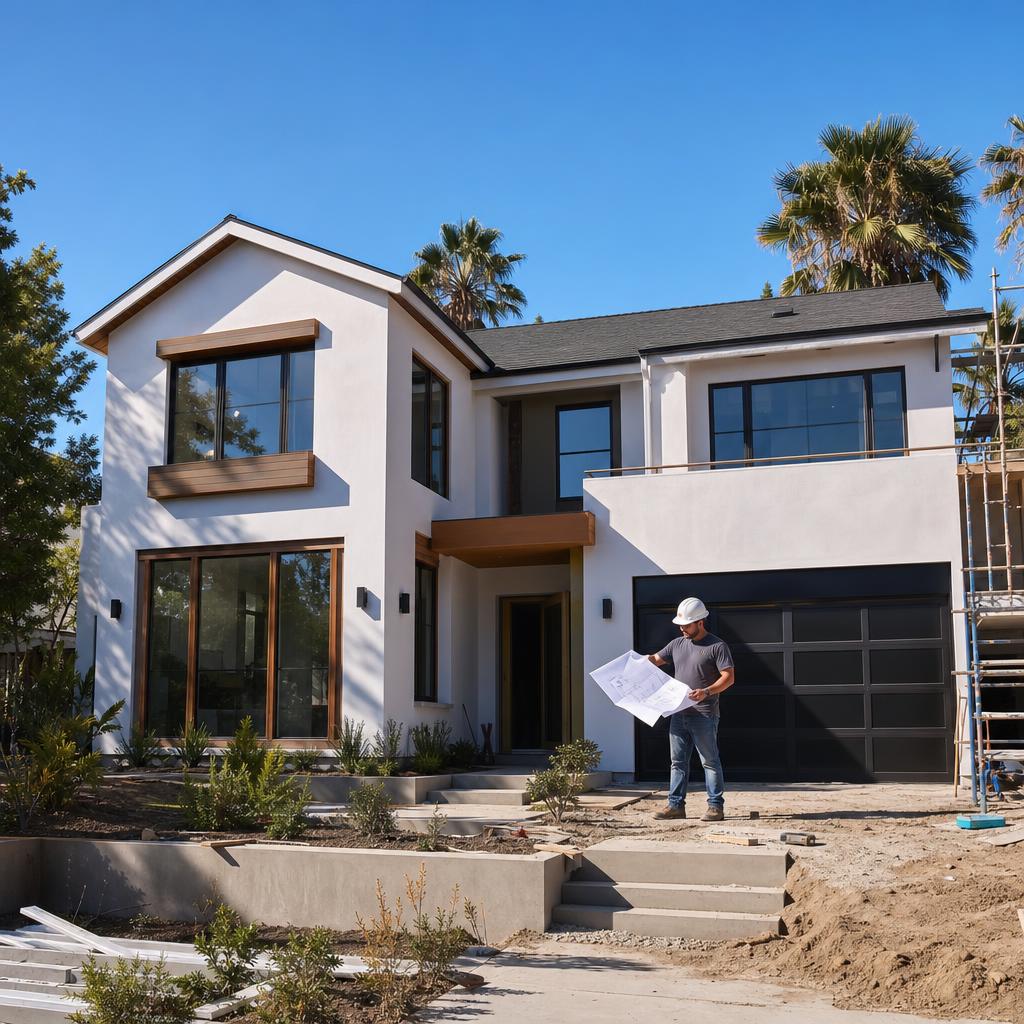
What exactly counts as a 'like-for-like' fire rebuild in Pacific Palisades and Altadena — the fee waivers, expedited LADBS and County programs, and Coastal Development Permit exemption that come with staying within your pre-fire footprint, height, and unit count.

Which older wood-frame apartment buildings are required to complete LA's Mandatory Soft-Story Retrofit, the compliance deadlines most owners are now past, the LADBS permit process, typical retrofit costs, and how it intersects with post-fire rebuild work.

A CDP is required before most construction in the Coastal Zone — Pacific Palisades, Venice, Malibu. Who issues it (City of LA vs. Coastal Commission), when exemptions apply, what the post-fire emergency exemptions actually cover for Palisades like-for-like rebuilds, and the full 7-step process with the appeal period explained.

A C of O from LADBS is required before any new building, change-of-use project, or post-fire rebuild can legally be occupied. Step-by-step final inspection process, C of O vs. CofC vs. TCO, post-fire Pacific Palisades and Altadena C of O track, and the 7 most common errors that delay issuance.

Weighing Pulley against hiring a human permit expediter in Los Angeles? An honest side-by-side of what software does, what a local expert does, and when each approach makes sense — with a comparison table and reference pricing.

Most LADBS permits take 4–14 weeks — but the range runs from same-day OTC to 6+ months for restaurant CUPs. Real timelines for every major project type, the 9-step LADBS process explained, and why plans that fail on the first submittal are the #1 cause of delays.
Permit expediter fees in Los Angeles range from $1,500 for a simple ADU to $25,000+ for complex commercial entitlements. Pricing by project type, the three pricing models, and whether it's worth it.
Opening a business in LA? Here's what you need to know about sign permits in Los Angeles — what needs one, the approval process, common delays, and how to get signage approved faster.

Converting your garage into a living space or ADU in Los Angeles? Here's how garage conversion permits work in LA, what's required, and how to avoid the delays that stall these projects.

Comparing PermitFlow and Ocean Permits? An honest look at permit-management software vs. a hands-on Los Angeles permit expediter — and how to pick the right one for your project.

Should you manage permits yourself or hire a professional expediter? This guide breaks down the real cost, timeline, and risk differences for residential, ADU, and commercial projects.
Commercial permits in LA are multi-agency and time-sensitive. A permit expediter is a strategic investment that ensures faster approvals, fewer corrections, and full code compliance.
A code violation demands quick, accurate action. Ocean Permits guides property owners through the legalization process — faster, cleaner, and fully compliant.
Permitting a residential remodel or ADU in Los Angeles is more complex than most expect. Learn why projects get delayed and how Ocean Permits navigates LADBS, City Planning, and coastal reviews.
Expert permit guidance helping families, businesses, and schools rebuild with clarity, care, and confidence after the 2025 Los Angeles and Eaton fires.
Replacing rooftop equipment or changing a commercial layout starts with a coordinated commercial HVAC and mechanical permit review, including equipment loads, ventilation and related trade permits. For hillside homes and neighborhood storefronts, our Glassell Park permit guide explains parcel-specific Planning layers before LADBS submittal.
Confirm the agency sequence with our Los Angeles LADBS process and fee-planning guide. Owners replacing a fire-damaged home should also review the Pacific Palisades rebuild scenarios and conditional fee-relief guidance rather than assume every replacement follows the same approval track.
Choosing a venue or property comes before a complete permit application. Our family entertainment center and trampoline park guide explains assembly use, exits and equipment interfaces; the Montebello permit guide identifies the City's building and fire review sequence for a local project.
For recovery work, read our fire debris and ash clearance coordination guide alongside the Pacific Palisades and Altadena rebuilding process. Older-home owners can compare that site-clearance pathway with the parcel-specific historic review described in our West Adams remodeling and ADU guide.
When a proposed location changes, the same project can acquire different approvals. Compare Santa Monica's coastal and City review, Altadena's County process and Beverly Hills' municipal permitting requirements before relying on a Los Angeles permit schedule.
New power or operating demands can create additional review tracks. Our commercial battery-storage guide explains utility and fire interfaces; the Atwater Village permit guide covers City residential and storefront projects. For business openings, use the Los Angeles commercial permit guide to organize building, trade and occupancy approvals.
Before deciding who will manage submissions, compare permit expediting versus managing the process yourself. Scope-specific documents and coordinated correction responses matter more than assuming every application can use the same approval track.