_1781464136662-DVw5IPjt.png)
Quick Answer
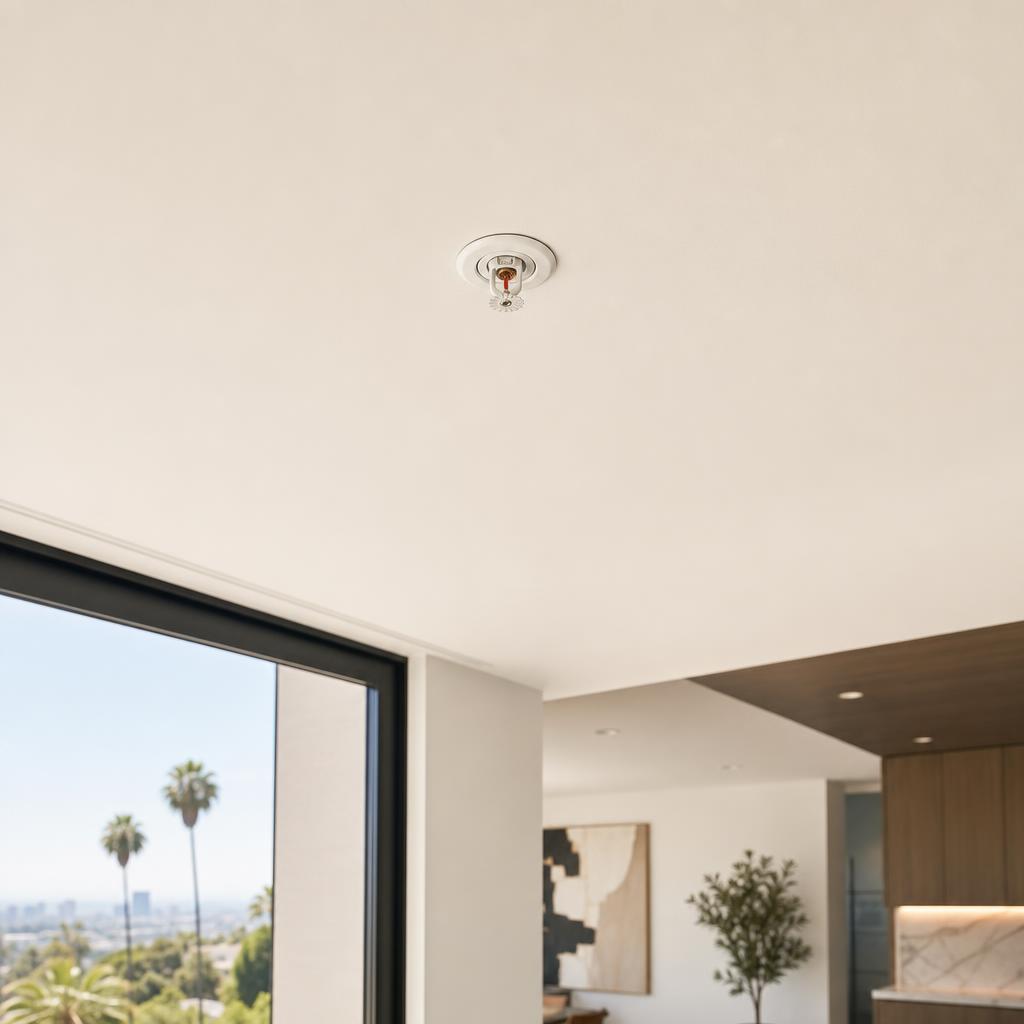
New one- and two-family dwellings in California must install an automatic residential fire sprinkler system under California Residential Code Section R313.2, built to the NFPA 13D standard. This is a separate permit from your LADBS building permit — reviewed by the LAFD Fire Prevention Bureau — and must be designed and installed by a licensed C-16 fire protection contractor. Both permits must reach final approval before a certificate of occupancy issues.
Among the permits a rebuild pulls together, the fire sprinkler system is the one most likely to get treated as an afterthought — and the one most likely to stall a project at the finish line if it is. It runs through its own agency, its own contractor licensing requirement, and its own inspection sequence, entirely separate from the main building permit most homeowners are focused on tracking.
This guide covers that separate permit track in detail: when the sprinkler mandate applies to a fire rebuild, who is licensed to design and install the system, what it costs, how water supply capacity factors in, and how to sequence it so it doesn't become the reason your final inspection gets delayed. We cover the exterior ignition-resistant construction requirements that apply alongside this — Class A roofing, ember-resistant vents, and the rest of Chapter 7A — in a separate guide, and the broader like-for-like versus new-construction classification question in our like-for-like rebuild guide. This page focuses specifically on the interior life-safety sprinkler system and its permit process.
This guide is for general informational purposes — always confirm current applicable code requirements and your project's specific classification with LADBS, LAFD Fire Prevention Bureau, and your design and fire-protection professionals.
The Statewide Mandate and What Triggers It for a Rebuild
California Residential Code Section R313.2 requires an automatic residential fire sprinkler system, designed and installed to the NFPA 13D standard, in new one- and two-family dwellings throughout the state. This is a statewide building code requirement, not a Los Angeles-specific ordinance — it applies the same way in a new home built anywhere in California, with the local fire authority (LAFD within the City of Los Angeles) administering plan check and inspection.
For a fire rebuild, the key question is classification. A project permitted as new construction is treated the same as any other new one- or two-family dwelling for code-compliance purposes, which means the sprinkler mandate applies regardless of whether the destroyed home had a sprinkler system or was built decades before the mandate existed. Homeowners in Pacific Palisades and Altadena working through a rebuild should confirm this classification early with their design team and permit expediter, since it directly affects both budget and construction sequencing — see our like-for-like rebuild guide for how that classification question is evaluated more broadly.
A Separate Permit, a Separate Agency
Unlike most residential systems, which LADBS reviews as part of the main building permit, the fire sprinkler system is reviewed and permitted separately by the LAFD Fire Prevention Bureau. The Fire Prevention Bureau evaluates the sprinkler contractor's hydraulic calculations, pipe sizing, sprinkler head layout, and water supply data against NFPA 13D requirements — a distinct technical review from LADBS's structural, electrical, and plumbing plan check.
These two plan check tracks run independently, on their own timelines, with their own correction cycles — but they need to reach final approval together. A rebuild cannot receive a certificate of occupancy with an approved building permit but an unresolved fire sprinkler permit, so the two need to be actively tracked in parallel rather than assuming one automatically follows the other's progress.
Why the System Must Be Designed by a Licensed C-16 Contractor
California's Contractors State License Board requires a C-16 Fire Protection Contractor license to design, install, alter, or repair automatic fire sprinkler systems, including residential NFPA 13D systems. This is a specialized license distinct from a general contractor's license or a plumbing contractor's license — neither is authorized to perform this scope on its own.
Practically, this means the C-16 contractor needs to be engaged early enough in the design process to produce the hydraulic calculations and layout that get submitted to LAFD Fire Prevention Bureau — not brought in after framing has started, when changes to the floor plan or plumbing routing become far more disruptive to accommodate.
Water Supply: The Detail That Most Often Surprises Rebuild Clients
An NFPA 13D system is engineered to a calculated flow and pressure demand at each sprinkler head, and that calculation depends on what the water meter and service line serving the property can actually deliver alongside normal domestic water use. A property being rebuilt larger than the original home, or in an area with lower ambient water pressure, may find that the existing meter and service line are undersized for the new system's demand.
When that happens, upsizing the water meter and service line becomes its own project, with its own application and approval timeline through the local water utility — a process that can add weeks to months depending on the scope of street-side work required. Because this isn't always obvious from the floor plan alone, we recommend having the C-16 contractor's hydraulic calculations run against the actual existing water supply as early as possible in design, rather than discovering a supply shortfall after the sprinkler plan check submittal is already in review.
Typical Cost and Timeline by Project Size
| Project Type | Typical LAFD Plan Check Timeline | Typical Total Cost |
|---|---|---|
| Small home / ADU (under 1,500 sq ft) | 2–4 weeks LAFD plan check, running parallel to LADBS building plan check | $6,000–$12,000 for system design, permit, and installation |
| Mid-size single-family home (1,500–3,000 sq ft) | 3–5 weeks LAFD plan check | $10,000–$20,000 depending on layout complexity and number of heads |
| Large custom home (3,000–6,000 sq ft) | 4–6 weeks LAFD plan check, longer if water supply upsizing is required | $18,000–$35,000+ depending on head count, zoning, and standpipe needs |
| Large hillside estate (6,000+ sq ft, multiple structures) | 6–10 weeks LAFD plan check, plus additional time if a fire pump or storage tank is needed for supply | $35,000–$70,000+ depending on scope, elevation changes, and supply adequacy |
| Water service/meter upsizing (when required) | Adds 4–12 weeks depending on DWP or local water utility processing time | $5,000–$25,000+ depending on meter size increase and street connection work |
General reference ranges for orientation purposes. Actual cost and timeline depend on home layout, existing water supply adequacy, and current LAFD Fire Prevention Bureau plan check volume — request a specific quote from a licensed C-16 contractor for your project.
Typical Permit Fees
Beyond the contractor's design and installation cost, LAFD charges its own separate fire sprinkler plan check and permit fees, distinct from LADBS building permit fees — typically assessed based on system size and complexity (number of heads, riser configuration, and whether a fire pump or storage tank is part of the design). We include these fees as their own line item when scoping a rebuild's total permitting cost, since they're easy to overlook if a client is only budgeting against the LADBS fee schedule.
Inspection and Testing Sequence — Step by Step
From confirming the mandate through final sign-off alongside your LADBS inspection, here is how fire sprinkler permitting moves through a rebuild.
- 01
Confirm the Mandate Applies to Your Rebuild
Determine early whether your rebuild is being permitted as new construction (which triggers the sprinkler mandate) or qualifies for a like-for-like path that may treat the original home's fire-protection status differently — this determination shapes the entire project budget and schedule from day one.
- 02
Engage a Licensed C-16 Fire Protection Contractor
California requires a C-16 Fire Protection Contractor license to design and install a residential fire sprinkler system — a general contractor or plumber cannot self-perform this scope, and the C-16 contractor's engineered system design is what actually gets submitted for plan check.
- 03
Size the Water Supply Before Finalizing the System Design
Confirm with the water utility that the existing meter and service line can support the calculated sprinkler system flow and pressure demand alongside domestic use — a home with an undersized meter for its new square footage often needs a meter upgrade, which has its own separate timeline.
- 04
Submit the NFPA 13D System Design to LAFD Fire Prevention Bureau
The C-16 contractor submits detailed hydraulic calculations, pipe sizing, head layout, and water supply data to the LAFD Fire Prevention Bureau for plan check — a separate submittal and review track from the LADBS building permit plan check, though both need to be tracked together.
- 05
Coordinate Sprinkler Rough-In With Framing and Other Trades
Sprinkler piping is typically roughed in during the same construction phase as plumbing and electrical rough-in, so the sprinkler contractor's schedule needs to be sequenced with the general contractor's framing and rough trade schedule rather than treated as an isolated later step.
- 06
Pass Rough Inspection Before Walls Close Up
LAFD or a delegated inspection authority typically inspects sprinkler piping at rough-in, before drywall closes the walls and ceilings — missing this window means costly demolition and rework to expose piping for a later inspection.
- 07
Complete a Hydrostatic Pressure Test
Before final sign-off, the installed system undergoes a hydrostatic pressure test to confirm the piping holds the required test pressure without leaks — this is typically scheduled once all piping and heads are installed but before final finishes conceal any remaining exposed sections.
- 08
Schedule Final Sprinkler Inspection Alongside LADBS Final
Final fire sprinkler inspection and sign-off should be scheduled to align with your LADBS final building inspection, since a certificate of occupancy typically cannot issue until both the building permit and the fire sprinkler permit have received final approval.
Sequencing Fire Sprinkler Permitting Within Your Overall Rebuild Schedule
The rebuild schedules that avoid a sprinkler-related delay at final inspection are the ones that treat the sprinkler system as a parallel design and permitting track from the start — engaging the C-16 contractor alongside the architect and plumbing designer, submitting to LAFD Fire Prevention Bureau while LADBS plan check is also underway, and confirming water supply adequacy before framing locks in wall and ceiling assemblies that piping needs to route through.
The schedules that run into trouble are the ones where the sprinkler system gets treated as a checkbox to handle once construction is already underway — often surfacing a water supply shortfall, a rough-in scheduling conflict with drywall, or a plan check correction cycle right when the rest of the project is otherwise ready for final inspection. Related interior system permitting — including battery storage and generators, which increasingly get planned alongside fire-rebuild homes — is covered in our battery storage and generator permit guide, and septic considerations for County-jurisdiction rebuild properties are covered in our septic system permit guide — both are examples of the kind of parallel-track systems permitting that benefits from the same early-sequencing approach as fire sprinklers.
How Ocean Permits Manages Fire Sprinkler Permitting
Ocean Permits & Development is a women-owned Los Angeles permit expediting firm with a dedicated specialty in Pacific Palisades and Altadena fire rebuild permitting. We identify early whether a specific rebuild's classification triggers the residential fire sprinkler mandate, help clients engage a licensed C-16 fire protection contractor at the right point in design, and track the LAFD Fire Prevention Bureau plan check and inspection sequence alongside LADBS's main building permit so both tracks reach final approval together.
We also flag water supply adequacy questions before they become a late-discovered bottleneck, and coordinate the sprinkler contractor's rough-in schedule with the general contractor's framing timeline. All initial consultations are free. Call +1 (213) 277-8777 or submit a project inquiry online.
Common Questions About Residential Fire Sprinkler Permitting
Do all new homes in California require fire sprinklers?
Yes. The California Residential Code, at Section R313.2, requires an automatic residential fire sprinkler system in new one- and two-family dwellings statewide, installed to the NFPA 13D standard — the National Fire Protection Association's standard specifically written for sprinkler systems in one- and two-family dwellings and manufactured homes. This applies regardless of jurisdiction within California; it is a statewide residential code mandate, not a Los Angeles-specific ordinance, though LAFD administers the plan check and inspection process for projects within the city.
Does the fire sprinkler mandate apply to my Pacific Palisades or Altadena rebuild?
It depends on how your rebuild is classified. If your project is permitted as new construction — which is how most total-loss rebuilds are treated for code-compliance purposes — the residential fire sprinkler mandate applies just as it would to any other new one- or two-family dwelling. Whether a specific like-for-like rebuild pathway changes this determination is a separate legal and permitting question from the sprinkler system itself; we recommend confirming your project's classification with your permit expediter and the relevant building department before finalizing floor plans, since it affects both budget and rough-in sequencing. Our like-for-like rebuild guide covers that broader classification question in more detail.
Is the fire sprinkler permit the same as my LADBS building permit?
No — they are two separate permits reviewed by two different agencies. LADBS reviews and issues the main building permit covering structural, electrical, plumbing, and mechanical work. The fire sprinkler system is reviewed and permitted separately by the LAFD Fire Prevention Bureau, which evaluates the C-16 contractor's hydraulic design, pipe sizing, and head layout against NFPA 13D. Both permits need to be open and progressing for a rebuild to reach final inspection and certificate of occupancy, so they need to be tracked as parallel, coordinated tracks rather than assuming one covers the other.
Who is licensed to design and install a residential fire sprinkler system?
California requires a C-16 Fire Protection Contractor license to design, install, and modify automatic fire sprinkler systems, including residential NFPA 13D systems. A general contractor, plumber, or unlicensed handyman cannot legally perform this scope of work. The C-16 contractor's engineered system — including hydraulic calculations demonstrating adequate water flow and pressure at each sprinkler head — is what gets submitted to LAFD Fire Prevention Bureau for plan check, so this contractor needs to be engaged early enough in design to inform the water supply and plumbing coordination.
Will I need to upsize my water meter or service line for a residential sprinkler system?
Sometimes. NFPA 13D systems are designed to a calculated flow and pressure demand, and an existing water meter and service line sized for a smaller or older home may not supply adequate flow for a larger rebuilt home's combined domestic and sprinkler demand. The C-16 contractor's hydraulic calculations will identify whether the existing supply is adequate or whether a meter upgrade is needed. Meter upsizing involves its own separate application and timeline with the local water utility, which can add meaningful time to a rebuild schedule if it isn't identified early.
How much does a residential fire sprinkler system typically cost?
Cost varies significantly with home size, layout complexity, and water supply adequacy, but residential NFPA 13D systems for a typical Los Angeles-area rebuild generally run from roughly $6,000 for a small home or ADU to well over $35,000 for a large custom home, with additional cost if water meter upsizing is required. This figure covers system design, the LAFD permit, materials, and C-16 contractor installation labor — it is a meaningful budget line item that should be planned for from the earliest cost estimates, not treated as a late addition.
When does sprinkler rough inspection happen during construction?
Sprinkler piping is inspected at rough-in — after the piping and heads are installed but before drywall closes up the walls and ceilings — typically during the same construction phase as plumbing and electrical rough inspections. Scheduling this correctly matters: if drywall goes up before the sprinkler rough inspection is passed, the inspector cannot verify the piping without opening the walls back up, which causes costly rework and schedule delays.
What is a hydrostatic pressure test, and when does it happen?
A hydrostatic pressure test pressurizes the installed sprinkler piping to a specified test pressure for a set duration to confirm there are no leaks in the pipe, fittings, or connections before the system is placed into service. This test is typically performed once all piping and heads are installed, generally around the same phase as rough inspection or shortly after, and is a required step before the system can receive final sign-off from LAFD.
Can I get a certificate of occupancy before the fire sprinkler system passes final inspection?
Generally, no. For a new one- or two-family dwelling subject to the sprinkler mandate, both the LADBS building permit and the LAFD fire sprinkler permit need to reach final approval before a certificate of occupancy can be issued — an incomplete or unapproved sprinkler system is a common reason a final building inspection cannot be scheduled or passed even when the rest of construction is complete. This is why sprinkler permitting needs to run on a coordinated timeline with the main building permit rather than as an afterthought scheduled toward the end of the project.
How does fire sprinkler permitting affect my overall rebuild schedule?
The biggest scheduling risk is treating the sprinkler system as a late-stage addition rather than a parallel track from the start. Because the C-16 contractor's design depends on the architectural floor plan and the water supply's calculated capacity, engaging that contractor early — ideally alongside the plumbing design — lets the LAFD plan check submittal happen concurrently with LADBS plan check rather than sequentially after it. Waiting until framing is underway to start the sprinkler design and permit process is one of the most common causes of a stalled final inspection on an otherwise on-schedule rebuild.
Does a rebuilt ADU on the same property also need a fire sprinkler system?
It depends on the ADU's specific circumstances and current code requirements at the time of permitting — California has adjusted ADU sprinkler requirements over time relative to the primary residence's sprinkler status, so this should be confirmed directly with LAFD Fire Prevention Bureau and your permit expediter for the specific ADU scope and property rather than assumed based on general rules of thumb, since this is an area where the applicable requirement can depend on project-specific details.
Do you coordinate fire sprinkler permitting as part of your rebuild services?
Yes. As part of our fire rebuild permit expediting work in Pacific Palisades and Altadena, we identify early whether the sprinkler mandate applies to a project, help clients engage a licensed C-16 contractor at the right point in design, and track the LAFD Fire Prevention Bureau plan check and inspection sequence alongside the LADBS building permit so the two tracks stay synchronized through final inspection.