_1781464136662.png)
Key code
LAMC Article 12 / §12.23
Fire rebuild
Baseline + current code
Jurisdictions
LADBS or LA County
Call
213-277-8777
What nonconforming means in Los Angeles
A nonconforming condition is not automatically illegal. A building, site feature, or use may have been lawful when established and later become inconsistent with a newer zoning rule because the code changed, the lot was rezoned, a setback standard increased, a height or lot-coverage limit changed, or a use was removed from the permitted list. The existing condition may continue under the Los Angeles Municipal Code, but continuation, alteration, enlargement, abandonment, and reconstruction are different questions. A permit application must identify which condition is nonconforming and which rule governs the proposed work.
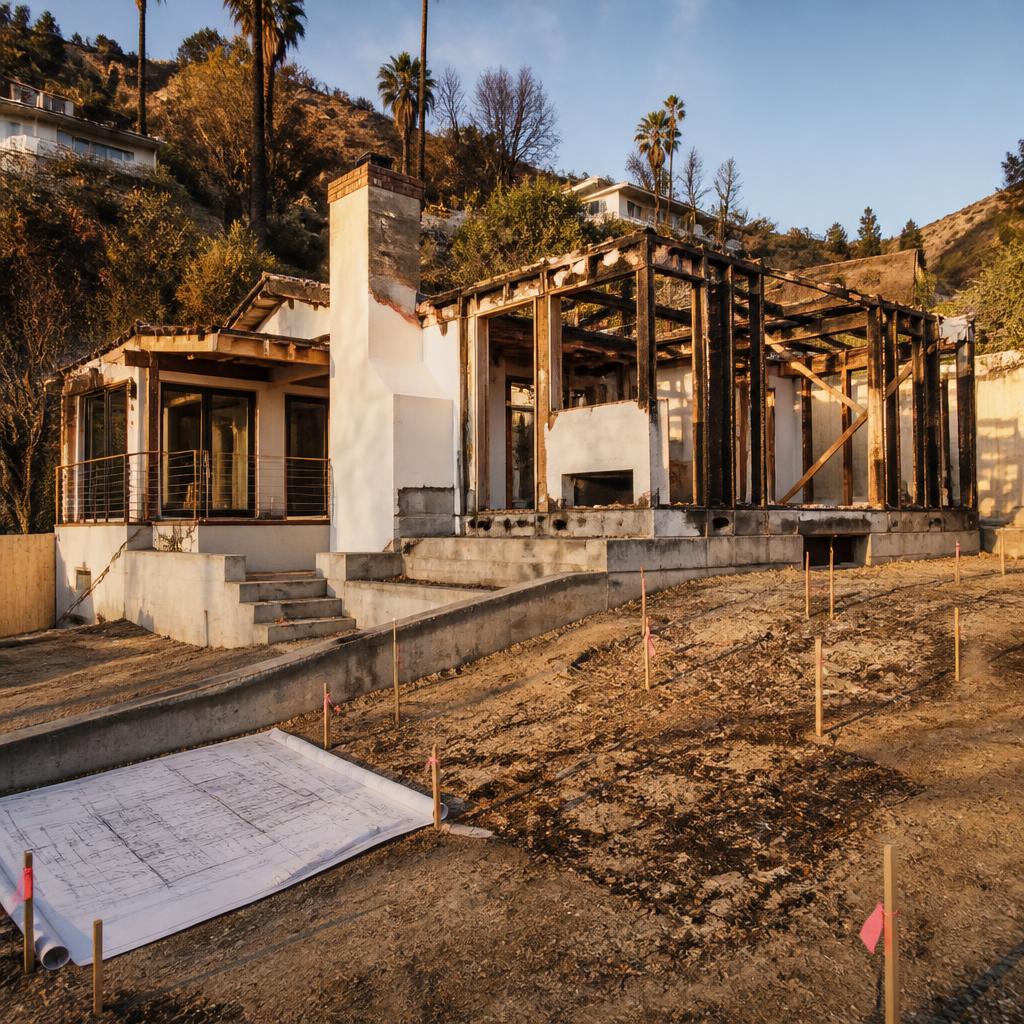
This distinction matters in older Los Angeles neighborhoods and especially in fire-rebuild work. A pre-fire home may have had a side-yard setback narrower than today's rule, a roofline above the current height limit, lot coverage above the current maximum, or a unit count that no longer fits the current zoning. That does not mean an owner has to erase the condition before any work can occur. It does mean the design and permit team must document the lawful baseline and select the correct continuation, reconstruction, variance, conditional-use, or emergency pathway.
- Nonconforming does not necessarily mean unpermitted or unlawful
- Use, structure, site improvement, and lot conditions can be analyzed separately
- Continuation is different from expansion, intensification, or reconstruction
- The current code section and emergency program terms must be confirmed
LAMC Section 12.23 and the current Article 12 framework
Section 12.23 is the historical citation many Los Angeles practitioners recognize for nonconforming uses and structures, and it remains a relevant reference in older materials, permits, and discussions with agencies. Current Los Angeles City Planning materials also organize nonconformities in Article 12 of the zoning code. In particular, Section 12.7.1 addresses restoration of damaged nonconforming buildings and structures after fire, flood, wind, earthquake, calamity, or public enemy. The exact version in force, project date, and emergency order should control the application; a permit team should not copy a section number from a generic internet summary without checking the City's current code and guidance.
The practical takeaway is that there is no single sentence that answers every nonconforming-property question. The application should identify the existing lawful use, the physical nonconformities, the event that caused damage, the degree of damage, the proposed restoration or rebuilding scope, and any separate zoning or building-code triggers. We use the current Los Angeles City Planning source, LADBS records, and any applicable emergency order together so the plan set does not ask Building and Safety to make a zoning determination that should have been resolved with Planning.
What happens when a nonconforming structure is damaged by fire
A fire-damaged nonconforming structure is evaluated against its documented pre-loss condition and the rules that apply to restoration. Nonconforming setbacks, lot coverage, height, roof projections, and unit count are not interchangeable. A project may be able to restore one condition while needing a current-code solution for another. The permit team should preserve evidence of the pre-fire footprint, stories, height, floor area, unit count, use, and site placement through prior permits, assessor records, surveys, insurance documents, photographs, and other records accepted by the reviewing agencies.
The degree of damage and the proposed scope also matter. Repairing a portion of an existing building is different from rebuilding a substantially destroyed structure. A like-for-like fire rebuild may receive emergency treatment under current City or County programs, but it still needs a current-code plan set and proof of the pre-fire baseline. If the owner moves the building, adds a story, adds a dwelling unit, expands the footprint, or changes the use, the project can leave the like-for-like category even if the new design looks similar from the street.
Setbacks, lot coverage, height, and unit count must be documented separately
A nonconforming side setback can be preserved only if the approved pathway allows the reconstruction to occupy the same relationship to the property line. Lot coverage may be a separate issue from footprint: a covered porch, garage, addition, or accessory structure can change the calculation even when the main house returns to the prior outline. Height must be measured using the applicable zoning definition and site datum, not only the highest roof point shown in a photograph. Unit count and use are especially sensitive because adding a unit or changing a single-family home to a duplex can create a new zoning or occupancy review.
A survey and a clear existing/proposed comparison are often more important than a persuasive narrative. We ask the design team to show property lines, building outline, setbacks, height references, lot coverage, stories, units, and any nonconforming site elements on one coordinated exhibit. That exhibit can then support the Planning conversation, the LADBS building permit, the insurer's scope, and the emergency-rebuild intake. If the record is incomplete, we identify which facts can be verified and which design choices should remain conservative until Planning confirms the path.
Like-for-like rebuild rules and Executive Order N-4-25
The post-fire like-for-like framework is a procedural shortcut for eligible projects, not a general waiver of zoning, building, fire, energy, or utility requirements. The City of Los Angeles emergency rebuilding orders for eligible properties may provide relief from certain nonconforming-use rules and emergency provisions, and Governor Newsom's Executive Order N-4-25 created a broader state framework for qualifying wildfire rebuilds. The project still has to meet the program definition, show the pre-fire baseline, and follow the correct City or County intake. The exact treatment can change as local implementation guidance is revised.
For a Pacific Palisades rebuild, the City of Los Angeles and LADBS path may run with Coastal Zone or Planning coordination. For an Altadena rebuild, the property is generally in unincorporated Los Angeles County and goes through County Building and Safety rather than LADBS. A nonconforming condition should be analyzed in the correct jurisdiction before the owner assumes a City rule applies to a County parcel. Our <a>like-for-like rebuild guide</a> and <a>fire-rebuild executive-order guide</a> explain the program context; this page focuses on the zoning and existing-condition record that makes a rebuild application defensible.
When restoration becomes enlargement, intensification, or a new use
Restoration generally aims to return a lawful existing condition after damage. Enlargement adds floor area, height, coverage, or a new exterior element. Intensification increases the impact of a use, such as more units, a different occupancy, more commercial activity, or new parking and loading demands. A change of use can require a conditional use, variance, zone clearance, or other discretionary action even when the walls stay in the same place. These labels guide the permit path, but the actual drawings and operation determine how Planning and LADBS review the proposal.
The best time to test the boundary is before architectural plans are final. We compare an owner’s preferred scope with a conservative like-for-like option and identify what the added bedroom, expanded footprint, second story, unit, or commercial use changes. That comparison can show the cost of a standard zoning process, the need for a hearing or findings, or the schedule advantage of keeping the rebuild within the pre-fire envelope. It also prevents a contractor from beginning work under a repair description when the City would view the project as new construction or a use change.
Permit process for a nonconforming property
A complete process starts with records research and a current site survey. We collect prior permits, certificates, assessor information, historic photographs, insurance or fire reports, code-enforcement notices, and the architect's existing-condition plans. The next step is a zoning memo or agency conversation that identifies the nonconforming elements and whether the proposed work is continuation, restoration, alteration, expansion, change of use, or a rebuild. Only then should the team finalize the building, structural, energy, fire, grading, and utility package.
After the zoning path is established, we coordinate the appropriate Planning clearance, LADBS submittal, and any emergency rebuild intake. Plan check corrections must be answered consistently: if the architect changes the setback on one sheet, the site plan, floor plans, elevations, structural details, and zoning narrative all need to match. During construction, inspections must follow the approved set, and field changes to a nonconforming condition should be reviewed before installation. Closeout matters because an unresolved nonconforming question can affect a future sale, refinancing, insurance renewal, or addition.
- Establish the pre-change or pre-fire legal baseline
- Map every physical and use-based nonconformity
- Confirm current Article 12, Section 12.23, and emergency-program treatment
- Coordinate Planning and LADBS before final drawings
- Track corrections, inspections, and final records
Ocean Permits' fire-rebuild and nonconforming-condition coordination
Ocean Permits & Development is a women-owned Los Angeles firm founded in 2021 by Katherine Amaya. Our fire-rebuild specialty includes Pacific Palisades and Altadena projects where the permit path can combine pre-fire records, nonconforming setbacks, current Chapter 7A construction, Coastal Zone or County review, utilities, and insurance deadlines. We do not provide zoning law advice or replace the architect, engineer, surveyor, or land-use attorney. We manage the administrative coordination needed to turn their analysis into a consistent agency submittal.
Call 213-277-8777 or request a free consultation with the address, pre-fire records, current drawings, and desired scope. We will help identify whether the next step is a records pull, Planning conversation, like-for-like comparison, standard zoning entitlement, or complete building-permit package. The objective is not to promise that every old condition can be preserved; it is to establish the facts early enough that the owner can make an informed scope decision.
Nonconforming condition and likely permit question
| Condition | What must be established | Potential pathway |
|---|---|---|
| Side or rear setback | Lawful pre-existing location and proposed reconstruction line | Restoration/like-for-like or current-code redesign |
| Lot coverage | Pre-fire or pre-change coverage, including accessory structures and roofs | Restoration, reduction, or zoning relief if enlarged |
| Height or stories | Existing height datum, stories, roof form, and proposed elevation | Like-for-like rebuild or current-code/entitlement review |
| Dwelling-unit count | Legal units, occupancy, addresses, and proposed count | Restoration or separate density/use analysis |
| Nonconforming use | Lawful use, continuity, intensity, and proposed operation | Continuation, change-of-use, CUP, or other Planning review |
| Fire-damaged structure | Damage extent, site clearance, pre-loss baseline, current scope | Emergency rebuild, like-for-like, or standard permit path |
Planning-range sequence and timeline
| Stage | Typical work | Planning range |
|---|---|---|
| Records and baseline | Permits, assessor data, survey, photographs, insurance/fire records | 2–6 weeks |
| Zoning and program screen | Nonconformity memo, Planning questions, like-for-like comparison | 2–8 weeks |
| Design and coordinated package | Architecture, structure, energy, fire, grading, utilities | 4–12+ weeks |
| Plan check and corrections | LADBS or County review plus Planning/LAFD where applicable | 4–16+ weeks |
| Permit issuance and inspections | Fees, approved set, field inspections, closeout | Project-specific |
Frequently Asked Questions
1. Is a nonconforming structure illegal in Los Angeles?
Not necessarily. A structure may have been lawful when built and later become nonconforming because zoning changed. The owner must still establish the legal or recognized existing condition and follow the rules for continuation, alteration, damage, and reconstruction.
2. Is LAMC Section 12.23 still the only rule for nonconforming uses?
No. Section 12.23 remains a commonly cited historical provision, but current City Planning materials also organize nonconformities in Article 12, including Section 12.7.1 for restoration of damaged nonconforming buildings. The current code version and project-specific emergency orders should be checked before filing.
3. Can I rebuild a fire-damaged home with a nonconforming setback?
Potentially, if the applicable restoration or emergency pathway allows the documented pre-fire condition and the proposed scope stays within its limits. The owner must prove the baseline and separately analyze setback, height, coverage, unit count, use, and current building/fire-code upgrades.
4. Can a like-for-like rebuild add a bedroom or square footage?
Interior layout changes within the same approved envelope may be possible, but adding area, height, a story, a unit, or a materially different use can remove the project from the narrowest like-for-like treatment. The current City or County program terms control.
5. Does Executive Order N-4-25 waive all zoning rules?
No. It created a framework for qualifying wildfire-rebuild relief, and local implementing orders define how eligible projects are processed. It does not make every damaged property exempt from zoning, building, fire, energy, historic, coastal, or utility requirements.
6. Does the City of Los Angeles rule apply to Altadena?
Generally, Altadena is unincorporated Los Angeles County, so its rebuild and zoning process is administered by County agencies rather than LADBS and City Planning. The parcel's actual jurisdiction must be confirmed before selecting forms or relying on a City emergency rule.
7. What records prove a pre-fire nonconforming condition?
Useful records can include prior building permits, certificates of occupancy, approved plans, assessor records, surveys, insurance files, pre-fire photographs, aerial imagery, and inspection or utility records. The reviewing agency decides which documents are sufficient for the specific determination.
8. Can I add an ADU to a nonconforming home?
Possibly, but the existing nonconformity and the proposed ADU are separate analyses. The project must satisfy ADU, building, fire, utility, and zoning rules, and the proposed work cannot assume that every pre-existing setback or coverage condition automatically carries forward.
9. When is a variance required?
A variance may be considered when the proposed project cannot meet a zoning standard and the legal findings for relief are supported by the parcel's unique physical conditions. A variance is not a general permission to preserve a nonconforming condition or bypass building safety requirements.
10. Can a permit expediter decide whether my property is legally nonconforming?
No. We coordinate records, agency communication, and permit administration. The architect, surveyor, land-use professional, and City or County reviewers make the technical and zoning determinations required for the project.
11. What does Ocean Permits review in a fire-rebuild consultation?
We review the parcel jurisdiction, pre-fire records, proposed footprint and use, known damage or site-clearance status, current drawings, schedule, and likely agency tracks. We then identify which professional or agency decision must happen before a permit can be submitted.
Ocean Permits & Development
Need a clear permit path?
We are a women-owned permit expediting firm founded in 2021 by Katherine Amaya. Our team helps property owners, architects, contractors, and operators move projects through the right jurisdiction and agency review. Consultations are free, and fire rebuild projects are a core specialty.