_1781464136662-DVw5IPjt.png)
Women-owned, LA-based permit expediting firm. Energy resilience — battery backup and generators — is an increasingly common part of the rebuild scope we manage for clients in Pacific Palisades and Altadena. Free consultation — call 213-277-8777.
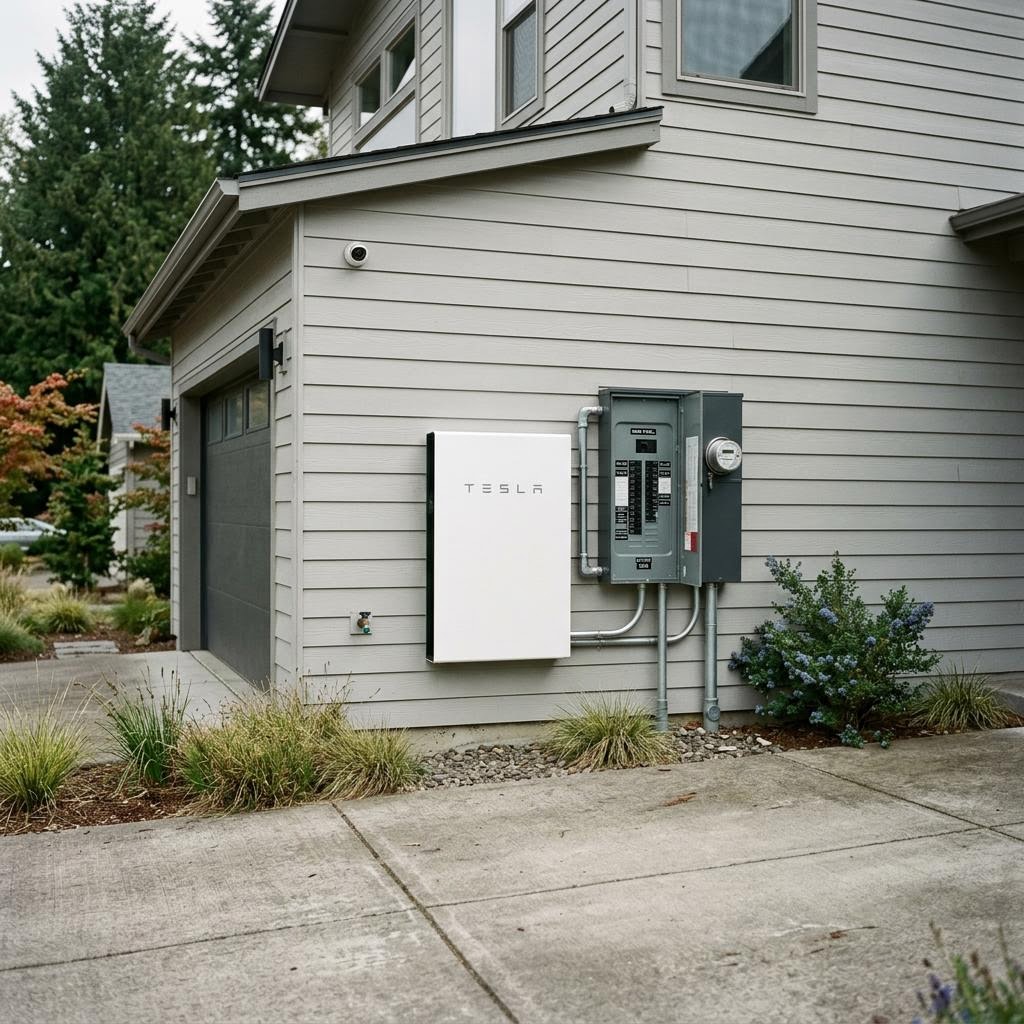
Home battery storage — Tesla Powerwall, Enphase, and similar systems — and whole-home backup generators have moved from niche add-ons to mainstream residential infrastructure in Los Angeles, driven by rising interest in energy resilience during utility-initiated Public Safety Power Shutoffs and by the growing pairing of battery storage with rooftop solar. But permitting a battery is a genuinely different process from permitting solar panels, governed by its own section of the National Electrical Code and, for larger systems, its own fire department review.
This guide is specifically about battery storage and generator permitting — not solar panel installation itself, which our solar permit guide covers in depth, and not EV charging equipment, which our EV charger permit guide covers separately. Batteries and generators raise their own specific code requirements distinct from both.
We cover the real LADBS electrical permit process, NEC 706's energy storage requirements, when LAFD gets involved, how battery permitting differs depending on whether you're adding storage to new or existing solar, whole-home generator permitting, and why this has become particularly relevant for fire-rebuild clients in Pacific Palisades and Altadena.
Do You Actually Need a Permit for a Home Battery?
Yes, without exception. Any home battery storage system — whether a Tesla Powerwall, an Enphase IQ Battery, a LG or Franklin WH unit, or any other product — requires an electrical permit from LADBS before it can be legally installed and energized, regardless of whether it's paired with a new solar array, added to existing solar, or installed as a standalone grid-charged system. LADBS inspects the completed electrical work — wiring, disconnects, overcurrent protection, and physical installation — before signing off, and installing without a permit is a straightforward code violation that surfaces at the worst possible time: during a home sale disclosure, an insurance claim after a fire or electrical incident, or a routine inspection triggered by unrelated work.
This isn't unique to Los Angeles or unusually strict — it reflects the fact that a home battery is a genuinely significant piece of electrical equipment storing substantial energy, wired directly into your home's electrical system, and its safe installation depends on code requirements specific to that function.
NEC 706: The Code Section That Actually Governs Batteries
National Electrical Code Article 706 covers energy storage systems specifically — battery installations — with requirements distinct from the code sections governing solar PV arrays themselves. NEC 706 addresses disconnect switch requirements so the battery can be safely isolated for maintenance or emergency response, overcurrent protection sized to the battery's specific electrical characteristics, physical clearance and working space around the installed unit, and, for battery chemistries that produce off-gassing, ventilation requirements.
This matters practically because a contractor or installer experienced primarily with rooftop solar panels — a different, though related, discipline — doesn't automatically have deep NEC 706 battery-specific expertise. LADBS plan checkers evaluate battery installations specifically against these requirements, and a plan set that treats the battery as a simple electrical accessory rather than addressing NEC 706's specific provisions commonly comes back with plan-check corrections.
System Types & Typical Permit Timelines
| System Type | Permit Process | Inspections | Typical Timeline |
|---|---|---|---|
| Battery storage added with new solar PV system | Combined solar + storage electrical permit through LADBS Express Permit / SolarAPP+ where the system qualifies | Single combined electrical inspection covering PV array, inverter, and battery installation | 1–3 weeks for SolarAPP+-eligible systems; 3–8 weeks for standard plan check |
| Battery storage retrofit (existing solar, no new panels) | Standalone electrical permit for the battery, inverter/charge controller, and any panel or subpanel modifications | Electrical inspection of the battery installation and any interconnection changes | 2–6 weeks |
| Standalone battery storage (no solar, grid-charged) | Electrical permit reviewed under NEC 706 energy storage system requirements; may require LADWP notification depending on configuration | Electrical inspection; LAFD review for larger-capacity systems | 3–8 weeks |
| Whole-home backup generator (gas or propane) | Combined electrical (transfer switch, wiring) and mechanical/gas permit through LADBS; LAFD review for fuel storage where applicable | Electrical inspection of transfer switch/wiring, mechanical inspection of the generator and fuel connection | 3–8 weeks |
| Portable generator with manual transfer switch | Simpler electrical permit for the transfer switch and interlock wiring only | Electrical inspection of the transfer switch installation | 1–3 weeks |
| Large-capacity battery installation (multiple units / higher kWh) | Electrical permit under NEC 706 plus LAFD plan review for fire code compliance given aggregate energy storage capacity | Electrical inspection plus LAFD field inspection for fire-code clearances and signage | 6–12+ weeks |
Timelines are estimates consistent with our Los Angeles permit timeline guide, adapted for battery- and generator-specific scope. Actual timelines depend on system size, whether LAFD review applies, and current LADBS caseload.
New Solar + Battery vs. Battery-Only Retrofit
Installing a battery alongside new solar panels is usually the more streamlined path — the entire system, panels, inverter, and battery together, is typically submitted as one combined LADBS electrical permit, and systems that meet SolarAPP+ eligibility criteria (LADBS's instant, code-compliance-checklist-based permitting pathway) can qualify for expedited issuance even with a battery included, provided the specific battery model is supported on the SolarAPP+ platform.
Adding a battery to an existing, already-permitted solar system is a separate, standalone retrofit permit — not an amendment to the original solar permit, which has already been closed out and inspected. This retrofit permit covers the new battery unit, its inverter or charge controller if separate from the existing solar inverter, and any electrical panel or subpanel work needed to support the battery's backup circuits. We scope this the same way as a standalone installation, while coordinating with documentation from the original solar system where it helps streamline plan check.
When the LA Fire Department Gets Involved
LAFD's involvement in a battery permit scales with the system's total energy storage capacity. A single, typically-sized residential battery paired with rooftop solar on a standard single-family home generally moves through LADBS's electrical permit process without a separate LAFD plan review. Larger installations — multiple battery units, or systems specifically sized for extended whole-home backup rather than typical daily solar self-consumption — more commonly trigger LAFD review addressing fire-rated separation from living space, ventilation adequacy, exterior signage identifying the battery's location and chemistry for first responders, and clear access pathways to the unit. We confirm LAFD applicability against the specific product and total capacity being installed at the start of a project, rather than assuming based on general battery presence alone.
Whole-Home Backup Generators
A permanently installed, automatic-start whole-home standby generator — fueled by natural gas or propane — requires an electrical permit for the automatic transfer switch and wiring that safely isolates your home's electrical system from the utility grid during generator operation, and a mechanical or gas permit for the generator unit itself and its fuel connection. LAFD review can apply depending on fuel storage configuration, particularly larger propane tank installations. A simpler alternative — a manual transfer switch and interlock system for use with a portable generator — needs only the more contained electrical permit for the transfer switch and interlock wiring, without the mechanical/gas or LAFD fuel-storage components, making it a meaningfully faster permit at the cost of more limited, manually-managed backup capability.
Why This Matters More for Fire-Rebuild & Hillside Properties
Utilities including LADWP and Southern California Edison have expanded Public Safety Power Shutoff practices — proactively de-energizing lines in high fire-risk areas during dangerous wind and fire-weather conditions specifically to reduce ignition risk from utility equipment. For hillside and Very High Fire Hazard Severity Zone homeowners, including many Pacific Palisades and Altadena properties now rebuilding after the 2025 fires, a battery paired with solar or a backup generator provides real functional resilience during precisely the conditions — high wind, active fire danger — when a shutoff is most likely and when reliable power for communication, medical equipment, or evacuation planning matters most. We increasingly see battery and generator permitting folded into the broader rebuild scope for these clients rather than treated as a separate, optional project.
How Ocean Permits Helps
Ocean Permits & Development is a women-owned permit expediting firm based in Los Angeles. We manage the LADBS electrical and, where applicable, mechanical/gas permit process for battery storage and backup generator installations — confirming NEC 706 compliance, scoping LAFD review for larger-capacity systems, and pursuing SolarAPP+ eligibility for combined solar-plus-battery projects to secure the fastest available permit path.
We offer a free consultation to review your specific battery or generator system and scope the applicable permit process — call 213-277-8777, or reach out through our contact page.
Frequently Asked Questions
Does a home battery like a Tesla Powerwall actually need a permit in Los Angeles?
Yes. Installing a home battery storage system — whether a Tesla Powerwall, an Enphase battery, or any other residential energy storage product — requires an electrical permit from LADBS, regardless of whether it's paired with solar or installed as a standalone system. The permit covers the electrical wiring connecting the battery to your home's electrical panel and, where applicable, to a solar inverter, and LADBS inspects the completed installation before it can be legally energized and used. Installing a battery without a permit is a code violation that can create real problems later — during a home sale, an insurance claim, or if the unpermitted work is ever discovered during an unrelated inspection.
What is NEC 706 and why does it matter for battery permits?
NEC 706 is the section of the National Electrical Code specifically governing energy storage systems — batteries — covering requirements for disconnects, overcurrent protection, ventilation (for battery chemistries that require it), working clearances, and labeling. It was added to the NEC as battery storage became common in residential and commercial applications, separate from the code sections governing solar PV systems themselves. LADBS plan checkers and inspectors evaluate battery installations against NEC 706 requirements specifically, in addition to the general electrical code requirements that apply to any electrical work — meaning a solar installer experienced only with panels and inverters, without specific battery/NEC 706 experience, can miss requirements that are unique to the storage component.
How is permitting a battery different from permitting a new solar system?
A solar-only permit covers the PV panels, mounting racking, and inverter, evaluated primarily under the electrical code sections governing PV systems and LAFD's rooftop solar fire-access setback rules. Adding a battery brings in NEC 706's separate energy storage requirements — disconnect and overcurrent protection specific to the battery, physical placement and clearance rules (batteries are commonly wall-mounted in a garage, exterior wall, or utility area rather than on the roof), and, for larger-capacity installations, LA Fire Department plan review that a solar-only system typically doesn't trigger. In practice, a combined solar-plus-battery system usually still moves through a single combined LADBS electrical permit, but the plan set and inspection have to satisfy both sets of requirements, not just the solar side.
Does adding a battery to my existing solar system need a whole new permit, or just an amendment?
Adding a battery to an existing, already-permitted solar system is typically its own new electrical permit application — a retrofit permit covering the battery, its inverter or charge controller if it's a separate unit from your existing solar inverter, any new disconnects, and any modification to your electrical panel or the addition of a subpanel to support the battery's backup circuits. It is not simply an amendment tacked onto your original solar permit, since the original permit has already been closed out and inspected. We scope this retrofit permit the same way we would a standalone battery installation, coordinating with your original solar installer's documentation where helpful.
When does the LA Fire Department get involved in a battery permit?
LAFD reviews battery storage installations that exceed certain aggregate energy capacity thresholds set by fire code, and its involvement scales with system size — a single small residential battery paired with rooftop solar on a single-family home typically doesn't require a separate LAFD plan review beyond LADBS's own electrical permit process, while a larger-capacity installation (multiple battery units, or a system sized for extended whole-home backup) more commonly triggers LAFD review covering fire-rated separation, ventilation, signage identifying the battery location for first responders, and access clearances. We confirm LAFD applicability based on the specific battery product and total capacity being installed rather than assuming based on it simply being 'a battery.'
What permits does a whole-home backup generator need?
A permanently installed whole-home backup generator — the natural gas or propane-fueled standby units that automatically start during an outage — needs an electrical permit for the automatic transfer switch and associated wiring that isolates your home's circuits from the utility grid during generator operation, plus a mechanical or gas permit covering the generator unit itself and its fuel line connection. LAFD review can apply depending on fuel storage configuration, particularly for larger propane tank installations. All of this is coordinated through LADBS, generally as a combined submittal covering the electrical and mechanical/gas scope together.
Is a portable generator with a manual transfer switch simpler to permit than a whole-home standby unit?
Yes, meaningfully simpler. A manual transfer switch and interlock system designed to let you safely power selected circuits from a portable generator during an outage requires a more contained electrical permit covering just the transfer switch and interlock wiring, without the mechanical/gas permit, LAFD fuel-storage review, or automatic-start electrical integration that a permanently installed whole-home standby generator requires. It's a meaningfully faster and less expensive permit process, though it also provides more limited backup capability than a properly sized whole-home unit.
Why is battery storage suddenly a bigger deal for LA homeowners specifically?
California's utilities, including LADWP and Southern California Edison, have expanded Public Safety Power Shutoff (PSPS) practices — proactively cutting power in high fire-risk areas during dangerous wind and fire-weather conditions to reduce ignition risk from utility equipment. For homeowners in hillside and Very High Fire Hazard Severity Zone neighborhoods — including many Pacific Palisades and Altadena properties now rebuilding after the 2025 fires — a home battery paired with solar, or a backup generator, provides real energy resilience during exactly the conditions (high wind, fire danger) when a PSPS event is most likely and when access and evacuation planning matter most. We see this as an increasingly standard component of fire-rebuild scope rather than an optional add-on.
Do I need a separate permit for the solar panels and the battery if I'm installing both new at the same time?
In most cases, no — a new solar-plus-battery installation is typically submitted as one combined electrical permit application covering the PV array, inverter, and battery together, since LADBS reviews and inspects the complete system as a single interconnected installation. Systems that meet SolarAPP+ eligibility criteria can move through LADBS's expedited instant-permitting pathway even with a battery included, provided the specific battery product and configuration are supported by the SolarAPP+ platform, which significantly shortens the permit timeline compared to standard plan check.
Does LADWP need to be involved for a home battery installation?
LADWP's involvement depends on the system's interconnection configuration. A battery that operates purely behind your existing electrical meter — charging from either your solar panels or grid power and discharging to power your home during an outage or peak-rate periods — generally doesn't require the same interconnection application process as a new solar array's net-metering setup, though LADWP notification can still apply depending on the specific system design. We confirm LADWP's specific requirements for a given battery configuration as part of scoping, since assuming no utility involvement is needed can occasionally miss a notification requirement.
How long does a typical home battery permit take in Los Angeles?
A standard residential battery paired with new solar and eligible for SolarAPP+'s expedited pathway can move through LADBS in as little as 1 to 3 weeks. A standalone battery retrofit added to existing solar generally takes 2 to 6 weeks through standard plan check. Larger-capacity installations requiring LAFD plan review typically take 6 to 12-plus weeks given the additional agency coordination involved.
How can Ocean Permits help with a battery storage or generator permit?
We manage the LADBS electrical and, where applicable, mechanical/gas permit process for battery storage and backup generator installations — confirming NEC 706 compliance, coordinating LAFD review for larger-capacity systems, and tracking SolarAPP+ eligibility for combined solar-plus-battery projects to get the fastest available permit pathway. This work often comes up alongside broader resilience planning for our Pacific Palisades and Altadena fire-rebuild clients. We offer a free consultation — call 213-277-8777.