_1781464136662-DVw5IPjt.png)
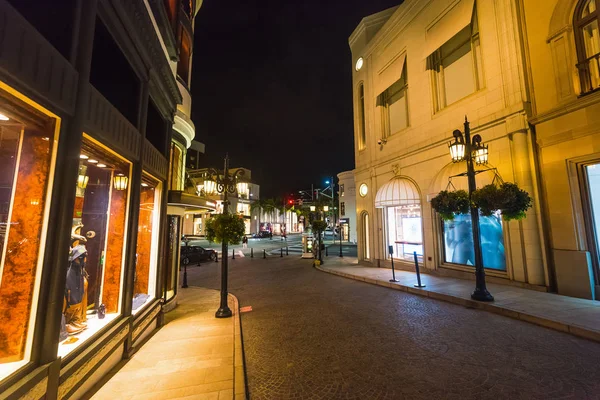
City of Beverly Hills
Planning & Permit Expediting
City of Beverly Hills planning enforces some of the most rigorous design and review standards in Southern California. Navigating its independent approval process requires specialized local knowledge.
Beverly Hills operates its own Community Development Department, entirely separate from the City of Los Angeles. High-value residential estates, luxury retail on Rodeo Drive, and Class-A medical office buildings all face a layered review process that includes Building & Safety plan check, Architectural Review Commission (ARC) approval, and in many cases, Planning Commission hearings.
The ARC is particularly important in Beverly Hills — and often the least understood part of the process by applicants unfamiliar with the city. Design packages that don't anticipate the ARC's specific submittal requirements, architectural standards, and hearing schedule arrive at plan check without the clearances they need, causing avoidable delays.
Ocean Permits & Development coordinates all required agencies concurrently, prepares ARC packages to the city's aesthetic and format standards, and communicates directly with plan checkers to resolve comments without delay. We handle ADU permits for Beverly Hills estates with guest houses and pool houses, and clients north of Sunset in hillside terrain often also need our geotechnical soils report coordination before grading can be approved. For nearby neighborhoods, see our Los Angeles and West Hollywood permitting coverage.
Understanding City of Beverly Hills Planning
City of Beverly Hills planning is handled by the Community Development Department's Planning Division — a separate function from Building & Safety plan check, though the two run in parallel on most projects. Planning review covers zoning compliance, design review through the Architectural Review Commission, and discretionary entitlements such as variances, conditional use permits, and zone changes that go before the Planning Commission.
Because City of Beverly Hills planning standards are stricter in several respects than state minimums — particularly around hillside development, setbacks, and design compatibility — a project that would sail through plan check in a neighboring city can trigger additional planning review here. Knowing which trigger applies before drawings are finalized is what keeps a Beverly Hills project on schedule.
Ocean Permits works directly with City of Beverly Hills planning staff throughout the process — from an early pre-application meeting to confirm which reviews apply, through ARC and Planning Commission hearings, to final Building & Safety sign-off — so residential and commercial clients get a single point of contact across every department involved.
The Beverly Hills Permitting Environment
Community Development Department
Beverly Hills's independent permitting authority. Building permits, planning approvals, and code enforcement all run through this department. The city applies local amendments to the CBC and maintains standards that in many cases are stricter than state minimums.
Architectural Review Commission (ARC)
Required for most exterior work on commercial properties and many residential projects. The ARC evaluates design quality, materials, massing, and compatibility with existing neighborhood character. Applications require architectural drawings, material sample boards, and in some cases perspective renderings.
Planning Commission
Discretionary approvals — variances, CUPs, zone changes — go through the Planning Commission after staff review. Commercial uses, high-density residential, and projects that exceed standard development standards typically require Planning Commission hearings.
Beverly Hills Hillside Ordinance
Residential properties north of Sunset Boulevard in the hillside area face additional standards for grading, drainage, and structure height relative to existing grade. Hillside projects require more extensive engineering documentation and often additional review time.
Our Beverly Hills Expertise
- Beverly Hills Community Development Department plan check management
- Architectural Review Commission (ARC) submittals and hearing coordination
- Planning Commission entitlements, variance applications, and CUPs
- High-end residential additions, remodels, and new construction permits
- Tenant improvement permits for Rodeo Drive, Beverly Drive, and commercial corridors
- Medical office and healthcare facility permits
- Code violation resolution and retroactive permits
- Pre-submittal feasibility review against Beverly Hills Municipal Code
- Hillside ordinance compliance for residential properties north of Sunset
- Sign permits under Beverly Hills sign regulations
Governing Code & Planning-Range Timeline
Beverly Hills adopts the California Building Code with local amendments under the Beverly Hills Municipal Code (BHMC) Title 9 (Zoning) and Title 8 (Building Regulations). Architectural Review Commission authority, submittal standards, and the hillside grading and height rules for properties north of Sunset Boulevard are set out in the BHMC's Zoning provisions administered by the Community Development Department. The ranges below are planning estimates, not city guarantees — actual timelines depend on plan completeness, hearing calendars, and current department workload.
| Project type | Planning-range timeline |
|---|---|
| Over-the-counter interior TI, no exterior change | 2–4 weeks |
| Standard residential remodel, no ARC scope | 4–8 weeks |
| Architectural Review Commission (ARC) hearing track | +4–8 weeks |
| Planning Commission entitlement (variance / CUP) | +2–4 months |
| Hillside ordinance residential (north of Sunset) | 8–16+ weeks |
Common Questions
Does Beverly Hills have its own permit process?
Yes. Beverly Hills is an independent city with its own Community Development Department, entirely separate from the City of Los Angeles. All building permits in Beverly Hills are submitted through the city's own online portal (Accela) and reviewed by Beverly Hills plan checkers applying the Beverly Hills Municipal Code — which adopts the California Building Code with specific local amendments.
Is there a Design Review process in Beverly Hills?
Yes, many projects in Beverly Hills require Architectural Review Commission (ARC) approval before a building permit is issued. This applies to most exterior alterations, additions, and new construction visible from the public right-of-way. The ARC evaluates architectural design, massing, materials, landscaping, and compatibility with neighborhood character. We prepare ARC submittals to the city's specific format requirements, coordinate pre-application meetings, and represent projects through the hearing process.
How long do permits take in Beverly Hills?
Over-the-counter approvals for simple interior work with no exterior changes can take 2–4 weeks. Projects requiring ARC approval add 4–8 weeks for the hearing cycle plus application preparation. Projects requiring Planning Commission approval (variances, CUPs) typically add 2–4 months. We manage all parallel tracks to minimize total elapsed time — submitting building permit applications concurrently with ARC packages where the processes allow.
Are there special rules for residential projects in Beverly Hills?
Yes. Beverly Hills enforces specific standards for residential additions and new construction — including design compatibility requirements, height limits that vary by zone, setback standards stricter than state minimums, and a hillside ordinance for properties north of Sunset Boulevard. Large residential projects almost always require ARC review. We research applicable standards before drawings are prepared to prevent design revisions after submittal.
What permits are needed for a commercial TI in Beverly Hills?
A commercial TI in Beverly Hills requires a building permit from the Community Development Department. Depending on scope, LAFD (Beverly Hills contracts with LAFD for fire inspection services) clearance may be required, along with any relevant Planning approvals. Projects with exterior changes to storefronts or signage require ARC review. We determine all required approvals at project outset so there are no surprises mid-process.
Can you help with a high-value residential project in Beverly Hills?
Yes. We regularly work on residential projects ranging from interior remodels to significant additions and new construction on large estates. For high-value residential work in Beverly Hills, the key is early engagement: the ARC review cycle, the city's design standards, and the plan-check process all favor applications that arrive well-prepared. We coordinate with architects and designers from the permit strategy phase through final inspection.
Can I build an ADU on a Beverly Hills property?
Yes, Beverly Hills permits accessory dwelling units subject to state ADU law and local development standards administered by the Community Development Department. Beverly Hills estates with existing guest houses, pool houses, or garage structures often have a head start on ADU conversion, though properties in the hillside area north of Sunset face additional grading and height review. See our ADU permits service for the statewide framework, which we apply against Beverly Hills's specific setback and design standards.
What triggers a variance application in Beverly Hills?
A variance is needed when a proposed project cannot meet a specific zoning standard — height, setback, lot coverage, or parking — due to a unique physical constraint of the lot. Variance applications go before the Planning Commission and require findings that the hardship is tied to the property itself, not simply a design preference. We assess whether a project genuinely needs a variance or whether a design revision can avoid the discretionary review entirely, since variances add months to a timeline.
Do solar panel installations need ARC approval in Beverly Hills?
Standard rooftop solar installations in Beverly Hills generally go through Building & Safety's standard plan check rather than full ARC review, though visibility from the public right-of-way and placement on a street-facing roof plane can trigger design review on some properties. We confirm which path applies before a client commits to panel placement and layout. See our solar panel permit expediting service for how we coordinate utility interconnection alongside the building permit.
What happens if work was done in Beverly Hills without a permit?
Unpermitted work discovered during a sale, refinance, or neighbor complaint requires a retroactive permit application, which typically involves exposing covered work for inspection and may require a licensed engineer's evaluation depending on scope. Beverly Hills code enforcement takes unpermitted work seriously given the city's design review standards, and resolving it before it blocks a sale or additional permit is far easier than after. We manage the retroactive permit process and coordinate with code enforcement directly.
Project in Beverly Hills?
Let our team handle the ARC, Building & Safety, and Planning Commission — simultaneously.
Schedule a ConsultationOr call +1 (213) 277-8777