_1781464136662-DVw5IPjt.png)
Arcadia
Permit Expediting
Arcadia runs its own permit process from end to end — Development Services, not LADBS — and covers everything from foothill custom homes near Santa Anita Canyon to Huntington Drive mixed-use development near the Metro L Line.
Arcadia is an independently incorporated San Gabriel Valley city bordering Sierra Madre, Pasadena, and South Pasadena, with the Altadena fire-rebuild corridor just to the west. It has no relationship to LADBS or LA County's permitting system: every building permit, plan check, and inspection in Arcadia is handled by the city's own Development Services Department, headquartered at Arcadia City Hall on West Huntington Drive.
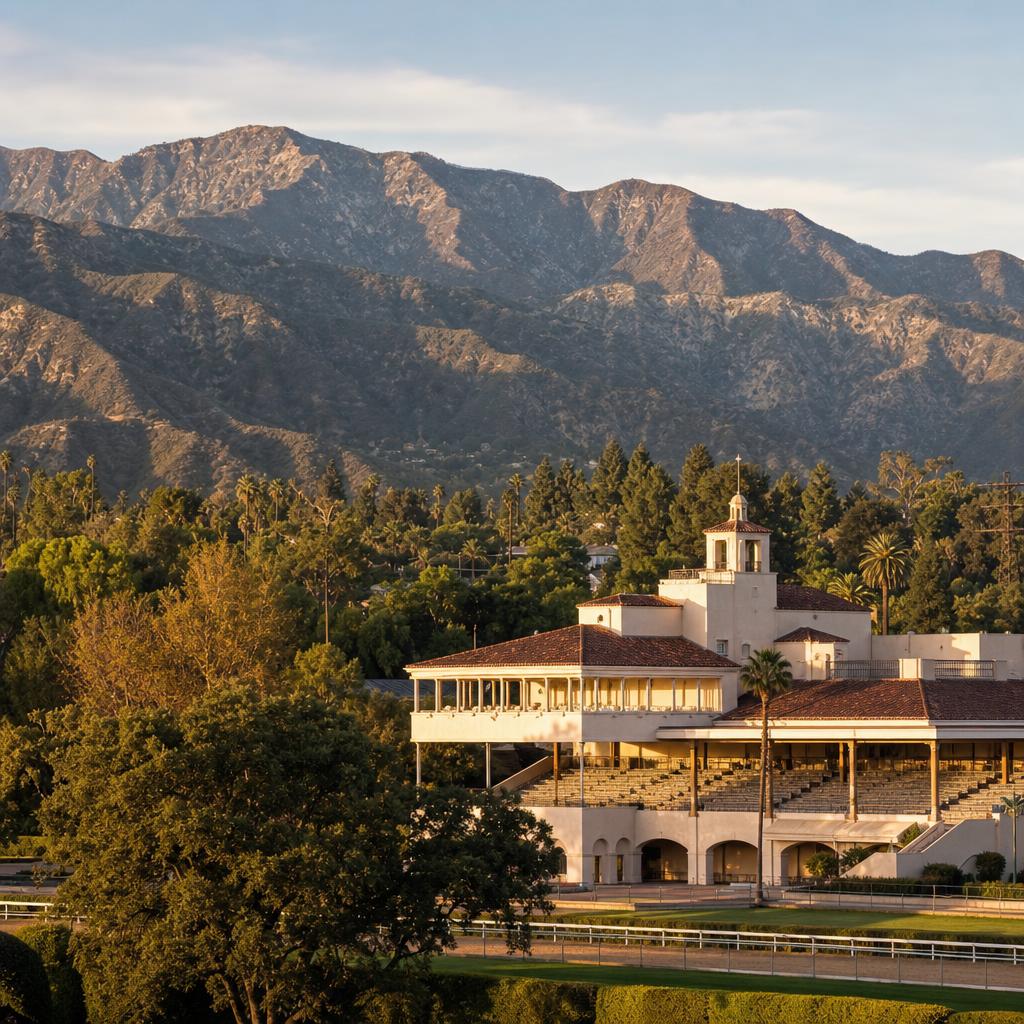
The city's geography splits into two very different permitting environments. Flatland Arcadia — the neighborhoods around Santa Anita Park, the Los Angeles County Arboretum, and the residential streets south of Foothill Boulevard — sees a steady mix of standard remodels, ADUs, and commercial tenant improvements. The northern foothill neighborhoods near Santa Anita Canyon and Chantry Flat sit in a different regulatory world: a mapped Very High Fire Hazard Severity Zone that brings the city's Wildland-Urban Interface Fire Area construction standards, grading review, and Arcadia Fire Department clearance into nearly every project.
Ocean Permits & Development works across both sides of that split — routine Development Services plan check for flatland remodels, ADUs, and commercial build-outs, and the more technical grading, fire, and geotechnical coordination that Arcadia's foothill properties require — while also handling the entitlement track for mixed-use projects along the city's growing Huntington Drive corridor.
How Arcadia's Own Permit Process Works
Arcadia's Development Services Department houses two divisions relevant to most projects: Building Services, which handles structural, electrical, plumbing, and mechanical plan check and inspections, and Planning & Zoning Services, which handles zoning compliance, use permits, and design review. For projects involving fire and life-safety systems, restaurant kitchens, assembly occupancies, or construction in the city's Wildland-Urban Interface Fire Area, the Arcadia Fire Department's Fire Prevention Bureau reviews the project as well.
What distinguishes Arcadia from a large agency like LADBS is scale, not simplicity: the city processes far fewer permits, but a foothill custom home or a Huntington Drive mixed-use project can still require sign-off from all three groups — Building Services, Planning & Zoning Services, and the Fire Prevention Bureau — before a permit issues, and each one reviews on its own schedule.
We coordinate directly with Arcadia's Development Services Department across all three tracks — confirming which reviews a specific project triggers before drawings are finalized, and sequencing entitlement, fire, and building plan check so they move in parallel rather than one after another.
Common Permit Types and Timelines
| Project Type | Typical Timeline | Typical Permit Cost |
|---|---|---|
| Interior tenant improvement (Huntington Drive / Westfield Santa Anita corridor) | 2–5 weeks over the counter or standard plan check | $1,500–$5,000 in permit fees depending on scope and occupancy |
| Restaurant build-out with hood/grease interceptor | 6–10 weeks including LA County Environmental Health and Fire Prevention Bureau sign-off | $4,000–$12,000+ in permit fees depending on kitchen scope |
| ADU / JADU (flatland lot) | 4–8 weeks under state ADU streamlining timelines | $2,500–$7,000 in permit and expediting fees |
| Major remodel / addition, flatland residential | 6–12 weeks depending on scope and zoning setbacks | $4,000–$14,000+ in permit fees depending on valuation |
| New custom home or major remodel, foothill/hillside lot | 4–8 months including grading, geotechnical review, and Fire Prevention Bureau clearance | $20,000–$55,000+ in permit and expediting fees depending on valuation and site conditions |
| Mixed-use / multifamily new construction (Huntington Drive TOD corridor) | 6–14 months including Planning entitlements, Design Review, and Building Services plan check | Varies significantly by unit count and scope; typically six figures in combined entitlement and permit fees |
These are typical ranges, not quotes — actual timelines and costs depend on scope, site conditions, whether foothill/Wildland-Urban Interface review applies, and current Development Services plan check volume.
Santa Anita Canyon, Chantry Flat, and Fire Hazard Zones
Arcadia's northern foothill neighborhoods sit at the base of the San Gabriel Mountains near Santa Anita Canyon and the Chantry Flat trailhead into the Angeles National Forest — terrain that CAL FIRE has mapped as a Very High Fire Hazard Severity Zone, most recently updated in March 2025. Construction in this area falls under the Arcadia Municipal Code's Wildland-Urban Interface Fire Area requirements, which set standards for ignition-resistant roofing, vents, eaves, and exterior materials, reviewed by the Arcadia Fire Department's Fire Prevention Bureau alongside standard Building Services plan check.
Arcadia itself was not damaged in the January 2025 Eaton Fire, which burned in neighboring Altadena — but the fire's proximity has visibly raised wildfire awareness across San Gabriel Valley foothill cities, Arcadia included. More foothill homeowners are proactively addressing defensible space and fire-hardening upgrades, insurers are scrutinizing foothill properties more closely, and updated fire hazard severity maps have sharpened attention on exactly which Arcadia parcels fall inside a mapped high-hazard zone versus the flatland majority of the city that doesn't.
Santa Anita Park, the Arboretum, and the Huntington Drive Corridor
Arcadia's identity outside the foothills centers on two landmarks: Santa Anita Park, the historic Art Deco racetrack that anchors much of the city's civic character, and the Los Angeles County Arboretum and Botanic Garden directly across Baldwin Avenue. Both draw steady visitor traffic to the surrounding commercial corridor, which has increasingly become a target for redevelopment.
That redevelopment pressure concentrates along Huntington Drive near Westfield Santa Anita, where the Metro L Line's Arcadia Station has positioned the corridor for transit-oriented mixed-use and multifamily development. These projects typically require Planning & Zoning Services entitlements and design review well before Building Services plan check begins — a considerably longer runway than the restaurant and retail tenant improvements that make up most of the corridor's day-to-day commercial permitting activity. We handle both ends of that spectrum, from a quick-turn retail buildout to a multi-year mixed-use entitlement.
Why Arcadia Projects Benefit From an Expediter
Arcadia's Development Services Department is smaller and more accessible than LADBS, but that doesn't make coordination automatic — a foothill custom home can require Building Services, Planning & Zoning Services, and Fire Prevention Bureau sign-off simultaneously, and a Huntington Drive mixed-use project can spend a year or more in entitlements before a building permit is even filed.
We identify which of these tracks apply to a specific Arcadia project at the outset, prepare submittals that anticipate Fire Prevention Bureau and geotechnical requirements for foothill properties rather than triggering them mid-review, and track plan check status directly with the city so corrections get addressed immediately. Our Altadena and Pasadena pages cover permitting in the immediately adjacent cities; Arcadia's own Development Services process, Fire Prevention Bureau, and Huntington Drive corridor dynamics are distinct enough that we treat it as its own jurisdiction rather than folding it into a regional overview.
Our Arcadia Expertise
- Arcadia Development Services Department — Building Services plan check coordination
- Planning & Zoning Services review for setbacks, height, and use permits
- Arcadia Fire Department Fire Prevention Bureau clearance for foothill construction
- Wildland-Urban Interface Fire Area construction compliance under the Arcadia Municipal Code
- Huntington Drive and Westfield Santa Anita commercial tenant improvement and restaurant permits
- Mixed-use and transit-oriented development entitlements near the Metro L Line Arcadia Station
- ADU and JADU permits on Arcadia's flatland and foothill residential lots
- Hillside grading, geotechnical coordination, and defensible space compliance for Santa Anita Canyon-adjacent properties
- Post-fire rebuild and fire-hardening experience drawn from Altadena and Pacific Palisades, applied to Arcadia's foothill parcels
Common Questions
Does Arcadia have its own building department, or does it use LADBS?
Arcadia is an independently incorporated San Gabriel Valley city with its own local government — it is not served by the Los Angeles Department of Building and Safety (LADBS) and has no connection to the City of Los Angeles's permitting system. Building permits in Arcadia go through the city's Development Services Department, specifically its Building Services division, out of Arcadia City Hall on West Huntington Drive. Planning and zoning matters go through the same Development Services Department's Planning & Zoning Services division. Anyone assuming Arcadia routes through LADBS or LA County will submit to the wrong agency.
What is Arcadia's Fire Prevention Bureau and when does it get involved in a permit?
The Arcadia Fire Department maintains a Fire Prevention Bureau that reviews construction projects for fire and life-safety compliance — including commercial occupancy plan review, fire sprinkler and alarm system permits, and, for foothill properties, compliance with the city's Wildland-Urban Interface Fire Area construction standards. Restaurant build-outs, assembly occupancies, and any new construction in Arcadia's mapped fire hazard areas typically require Fire Prevention Bureau sign-off in addition to standard Building Services plan check.
Is any part of Arcadia in a Very High Fire Hazard Severity Zone?
Yes. Arcadia's northern foothill neighborhoods, near Santa Anita Canyon and the Chantry Flat area, sit within a Very High Fire Hazard Severity Zone as mapped by CAL FIRE, most recently updated in March 2025. Properties in these zones fall under the Arcadia Municipal Code's Wildland-Urban Interface Fire Area construction requirements, which govern roofing, vents, exterior wall materials, and defensible space around structures. The flatland majority of the city, including neighborhoods near Santa Anita Park and the Arboretum, sits outside these mapped zones, but we confirm zone status for every specific Arcadia parcel rather than assuming based on general location.
Did Arcadia burn in the 2025 Eaton Fire?
No — Arcadia itself was not damaged by the January 2025 Eaton Fire, which burned primarily in neighboring Altadena. What did change across the San Gabriel Valley's foothill cities, Arcadia included, is heightened wildfire awareness: more homeowners in Arcadia's foothill neighborhoods are proactively addressing defensible space and fire-hardening upgrades, insurers are scrutinizing foothill properties more closely, and updated CAL FIRE Fire Hazard Severity Zone maps released in the fire's aftermath have sharpened attention on which Arcadia parcels actually fall inside a mapped high-hazard zone.
What is the Wildland-Urban Interface Fire Area requirement in Arcadia?
The Arcadia Municipal Code sets out construction requirements for buildings erected within the city's designated Wildland-Urban Interface Fire Area — generally the foothill neighborhoods bordering the Angeles National Forest and Santa Anita Canyon. These requirements govern ignition-resistant roofing, vents, eaves, and exterior wall assemblies, similar in intent to the state's Chapter 7A standards, and apply on top of standard Building Services plan check for qualifying new construction and remodels in that area.
How does permitting work for a restaurant or retail space near Westfield Santa Anita?
Commercial tenant improvements along the Huntington Drive corridor and inside or near Westfield Santa Anita go through Arcadia's Development Services Department as a standard commercial TI permit, with the scope determining what else layers on: a restaurant with a hood system and grease interceptor needs Fire Prevention Bureau review and typically LA County Environmental Health sign-off for food service, while a straightforward retail buildout with no plumbing or occupancy changes can often move through in a few weeks over the counter. We scope which reviews a specific unit's use type triggers before lease terms are finalized.
What is driving mixed-use development activity along Huntington Drive?
The Metro L Line's Arcadia Station on Huntington Drive has made the surrounding corridor — particularly the area near Westfield Santa Anita — a target for transit-oriented mixed-use and multifamily development, consistent with the city's own planning framework for the corridor. These projects typically require Planning & Zoning Services entitlements and Design Review before Building Services plan check even begins, and the entitlement track can take considerably longer than the building permit itself. We help developers sequence the entitlement and building permit tracks so design work isn't wasted on a scheme Planning won't approve.
How long does an ADU take to permit in Arcadia?
A standard detached ADU on a flatland Arcadia lot typically clears Building Services plan check in 4–8 weeks under the state's mandated ADU streamlining timelines. On a foothill lot near Santa Anita Canyon, or where the ADU requires grading or falls within the Wildland-Urban Interface Fire Area, the timeline extends to account for geotechnical review and Fire Prevention Bureau clearance, which run on their own track.
Do hillside properties near Chantry Flat need a geotechnical report?
In most cases, yes. Arcadia's foothill lots near Santa Anita Canyon and Chantry Flat sit on terrain that commonly requires a geotechnical/soils engineering report addressing slope stability and foundation design as part of Building Services plan check for grading, additions, or new construction. We scope this requirement at the start of design rather than after a plan set is submitted and returned with corrections.
Why hire a permit expediter for an Arcadia project instead of going through the city directly?
Arcadia's Development Services Department reviews a genuinely varied mix of projects — flatland residential remodels, foothill custom homes with fire and grading review, Huntington Drive commercial tenant improvements, and multifamily entitlements tied to the Metro L Line corridor — and each type routes through a different combination of Building Services, Planning & Zoning Services, and the Fire Prevention Bureau. We identify which combination applies to a specific Arcadia project before submittal, track plan check status directly with the city rather than waiting on the queue, and respond to correction comments the same day they're issued.
Do you have experience with fire-hardening or rebuild work near Arcadia?
Yes. While Arcadia itself was not damaged by the Eaton Fire, our direct experience managing fire-rebuild and fire-hardening permits in neighboring Altadena and in Pacific Palisades carries over to Arcadia's own Very High Fire Hazard Severity Zone foothill neighborhoods — the same Chapter 7A-style construction principles, defensible space requirements, and Fire Prevention Bureau coordination apply, whether a specific Arcadia property is a proactive retrofit or new construction from the ground up.
Project in Arcadia?
Women-owned, LA-based. We know Arcadia's Development Services Department, the Fire Prevention Bureau, and the Huntington Drive corridor. Free consultation.
Schedule a ConsultationOr call +1 (213) 277-8777