Marina, Boatyard &
Waterfront Facility Permits
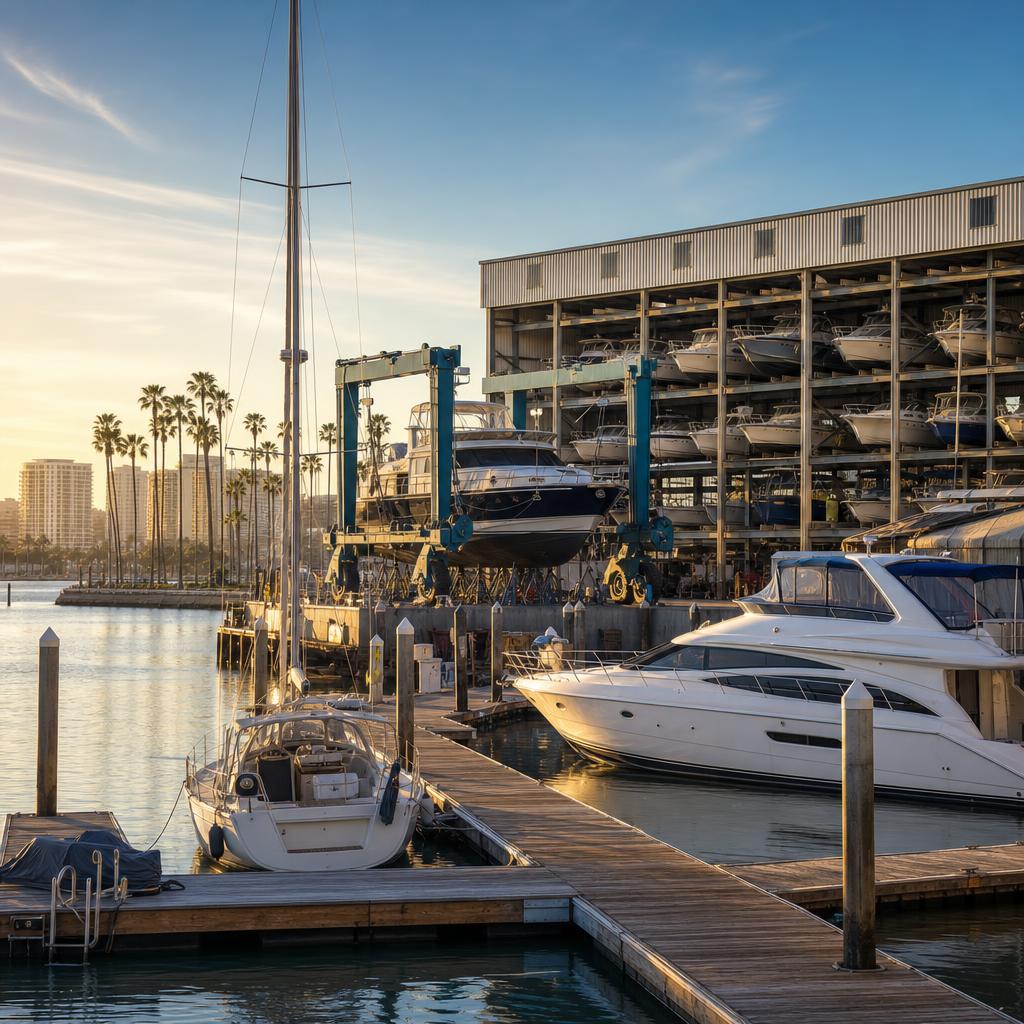
Permit expediting for dock and pier construction, boat storage and dry-stack facilities, marine fuel dispensing, bulkhead and seawall work, and ADA marine access across Los Angeles's coastal and harbor communities.
Women-owned, Los Angeles-based permit expediting firm. We bring the same Coastal Zone and multi-agency coordination we use across Southern California waterfront property to marina, boatyard, and dock permitting in Marina del Rey and San Pedro. Free initial consultation — call 213-277-8777.
Marina, boatyard, and waterfront facility projects carry a permitting layer most commercial buildouts never face: nearly every parcel sits in the California Coastal Zone, and work touching docks, bulkheads, or open water routinely draws Army Corps of Engineers and water-quality agency review on top of the standard building permit.
A dock or pier project, a dry-stack boat storage building, a marine fuel dock, or a bulkhead and seawall repair each carries its own structural, fire, and environmental review path, and getting the Coastal Development Permit scope wrong at the outset — treating a non-in-kind repair as a minor exemption, for example — can add months to a project timeline. See our Coastal Development Permit guide for how that review process works for waterfront property generally.
Ocean Permits & Development coordinates architects, marine engineers, and every reviewing agency — Coastal, structural, fire, and water-quality — so a marina or boatyard project moves as one sequenced plan rather than several disconnected submittals.
What a Marina or Boatyard Permit Covers
Dock & Pier Construction and Repair Permits
New dock and pier structures, and repairs beyond in-kind replacement, require structural building permits coordinated with Coastal Development Permit and, where applicable, Army Corps of Engineers review.
Boat Storage Rack & Dry-Stack Facility Permits
Dry-stack storage buildings and outdoor boat rack systems are reviewed as their own structures for occupancy, structural loading, fire access, and height, plus equipment review for forklifts or boat-handling cranes.
Marine Fuel Dispensing Permits
Fuel dock projects go through Certified Unified Program Agency hazardous materials review, Fire Department spill containment requirements, and water-quality agency coordination given the direct proximity to open water.
Bulkhead & Seawall Permits
Shoreline armoring and seawall work sits in the Coastal Zone and often draws Army Corps of Engineers jurisdiction, requiring a Coastal Development Permit alongside the structural building permit.
ADA Marine Access
Accessible parking, path of travel to gangways and docks, accessible boat slips or gangways, and accessible restrooms and harbormaster facilities each follow technical standards specific to floating and waterfront structures.
Coastal Zone & Multi-Agency Coordination
Nearly every marina and waterfront parcel sits in the California Coastal Zone, so we coordinate the Coastal Development Permit alongside structural, fire, and water-quality review as one project.
Dock, Pier & Dry-Stack Storage Permits
New dock and pier construction, and repairs that go beyond in-kind replacement, need a structural building permit coordinated with a Coastal Development Permit and, where the work affects navigable waters, Army Corps of Engineers review. A dry-stack boat storage building or outdoor rack system is reviewed separately for structural loading, fire access, and height, and racking systems with a forklift or boat-handling crane add their own equipment review on top of the base storage permit.
Confirming whether a repair qualifies as in-kind replacement — which can shorten the Coastal review — or represents a design change that triggers full CDP review is one of the first scoping questions we answer, since misjudging it is a common source of months-long delay on waterfront projects.
Marine Fuel, Bulkheads & ADA Access
Marine fuel dispensing facilities route through Certified Unified Program Agency hazardous materials review, Fire Department spill-containment requirements, and water-quality agency coordination given their direct proximity to open water. Bulkhead and seawall construction or repair sits squarely in the Coastal Zone and commonly intersects with Army Corps of Engineers jurisdiction, so most shoreline armoring projects need a Coastal Development Permit alongside the structural permit.
Accessible parking, a path of travel to gangways and docks, at least one accessible boat slip or gangway meeting current floating-structure accessibility guidelines, and accessible restrooms and harbormaster facilities round out the ADA marine access scope — each following technical standards distinct from fixed-structure accessibility review.
Marina & Waterfront Project Types, Review Paths & Our Approach
| Project Type | When It Applies | Typical Review Path | Our Approach |
|---|---|---|---|
| New dock or pier construction | Adding a new dock, pier, or gangway structure to an existing or new marina facility | Structural building permit; Coastal Development Permit; Army Corps of Engineers review for navigable waters | We sequence the CDP application alongside structural plan check so neither track stalls the other. |
| Dock or pier repair beyond in-kind replacement | Repair work that changes the footprint, materials, or structural design of an existing dock or pier | Building permit for the structural scope; Coastal Development Permit review for any non-in-kind change | We confirm with the local Coastal District office whether the scope qualifies as in-kind before assuming a lighter review path. |
| Dry-stack boat storage building or rack system | New or expanded dry-stack storage building, or an outdoor boat rack system with handling equipment | Building and structural plan check for the storage structure; fire access review; equipment permits for cranes or forklifts | We scope the racking system's structural and equipment requirements with the manufacturer before the building permit is finalized. |
| Marine fuel dispensing facility | New or upgraded fuel dock dispensing gasoline or diesel to vessels | CUPA hazardous materials permit; Fire Department review; water-quality agency spill-prevention coordination | We coordinate the fuel system's electrical and structural permits alongside the hazmat and water-quality approvals as one package. |
| Bulkhead or seawall construction/repair | New shoreline armoring or repair to an existing bulkhead or seawall | Structural building permit; Coastal Development Permit; Army Corps of Engineers review | We confirm Army Corps jurisdiction and Coastal Commission appeal exposure early, since shoreline work draws added agency scrutiny. |
| ADA marine access upgrade | Adding or upgrading accessible gangways, floating docks, parking, or restroom facilities | Building permit for the accessibility scope, reviewed against floating-structure accessibility guidelines | We confirm the applicable accessibility standard for floating versus fixed structures before the gangway design is finalized. |
These are planning-level descriptions, not fee quotes or guaranteed timelines. We confirm current fees, forms, and timelines for your specific site and scope during a free consultation.
Our Process for a Marina or Boatyard Project
- 01
Confirm Coastal Zone status and jurisdiction
We confirm whether the parcel falls under the California Coastal Commission directly or a certified Local Coastal Program, and whether Army Corps of Engineers jurisdiction applies to the proposed work.
- 02
Scope the structural, fuel, and storage elements
We work with the architect, marine engineer, and equipment vendors to finalize dock, dry-stack, fuel dispensing, or bulkhead scope before the plan check and CDP submittals are prepared.
- 03
File the Coastal Development Permit and building permit concurrently
We submit the CDP application alongside the structural building permit rather than sequentially, since both reviews can proceed in parallel for most marina and waterfront scopes.
- 04
Coordinate Army Corps, water-quality, and hazmat review
For work in navigable waters or involving marine fuel, we initiate Army Corps of Engineers, Regional Water Quality Control Board, and CUPA hazardous materials review as parallel tracks.
- 05
Manage plan-check corrections across every agency
We track Coastal, structural, fire, and water-quality corrections as one coordinated package and respond directly with the design team.
- 06
Coordinate inspections through final sign-off
Once permits are issued, we help sequence inspections for the structural, fuel, and accessibility scope through final approval.
Separate the Land-Side Building Permit from In-Water Authorization
The first decision is geographic. Marina del Rey is unincorporated Los Angeles County: County Building and Safety, County Planning and the applicable County Fire review are not the same desks as LADBS and LAFD. A facility within the City of Los Angeles follows the City building path, and Port property can introduce its own land-use and lease approvals. Identify the parcel, water area and lease boundary before naming the issuing agencies. A harbor address alone does not determine the permit path.
The Marina del Rey Land Use Plan explains the coastal framework and federal review of harbor structures. California Public Resources Code section 30600 establishes the coastal-development permit framework, subject to the applicable exemptions and permit authority. A dock replacement described as maintenance still needs an agency determination of the proper coastal path; calling the work “in-kind” on a contractor proposal does not establish an exemption. Lease consent is likewise not a building permit or coastal authorization.
For in-water work, Section 10 of the Rivers and Harbors Act addresses structures or work affecting navigable waters, while Clean Water Act Section 404 addresses discharges of dredged or fill material within its jurisdiction. The Army Corps Regulatory Request System identifies the relevant federal programs. The design team should distinguish pile work, floating structures, dredging, fill and upland construction rather than assume one federal approval covers every activity. Water-quality certification and work windows may also affect the sequence.
| Work package | Submission / release milestone | Schedule and cost dependency |
|---|---|---|
| Land-side repair shop or office TI | Existing occupancy, coordinated building/MEP set, accessibility and fire clearances | Budget design, plan-check and permit fees separately; corrections and utility capacity affect release |
| Docks, piles and gangways | Structural calculations, coastal path, federal jurisdiction and water-quality review | Multiple agency reviews and environmental work windows can control the calendar |
| Fuel, washdown or hazardous storage | Inventory, drainage and containment plans; fire and discharge review as applicable | Equipment and treatment design are separate from ordinary building fees |
| Construction inspections | Approved plans, special inspections where specified, trade rough and final sign-offs | Contractor scheduling, exposed work and testing must align before concealment or use |
This is a process and fee-basis table, not a quoted price or agency turnaround promise. Ask for separate allowances for surveys, marine engineering, environmental documentation, agency applications and construction. Federal and coastal review cannot be reduced to a standard interior tenant-improvement timeline. Resolve seasonal work restrictions and long-lead piles, floats or electrical equipment before making a public reopening commitment.
On a City parcel, the building package follows the applicable LADBS plan-check route: scope and occupancy verification, architectural and engineering review, a coordinated correction response, required clearances, then fee payment and issuance. LAMC sections 91.106 and 91.107 address permits and fees; they do not replace coastal or federal authorization. On a County parcel, use the corresponding County Building and Safety application and clearance requirements instead. During construction, structural connections, rough plumbing/electrical/mechanical work, fire-system tests and any specified special inspections must be coordinated before final sign-off; an approved plan set alone does not authorize occupancy.
Compare our tenant-improvement permit coordination for the land-side suite, fire-alarm review for altered notification or detection systems, and occupancy closeout guide for the final use record. Our Marina del Rey location page provides the County context; a preliminary feasibility study can identify jurisdiction and record gaps before a lease or construction contract is finalized.
Why Ocean Permits & Development for a Marina or Boatyard Project
We coordinate Coastal Development Permit applications, structural plan check, Army Corps and water-quality review, and fire/hazmat clearances for marina, boatyard, and waterfront facility projects ranging from a dock repair to a new dry-stack storage building. Every engagement starts with a free consultation — call 213-277-8777 or reach out through our contact page. See also our Coastal Development Permit guide and our waterfront location guides for Marina del Rey and San Pedro.
Frequently Asked Questions
What permits does a dock or pier construction or repair project need?
New dock and pier construction, and repairs that go beyond in-kind replacement, typically require a building permit for the structural work plus a California Coastal Development Permit, since nearly every marina and waterfront parcel in Los Angeles sits within the Coastal Zone. Depending on the site, the Army Corps of Engineers and the Regional Water Quality Control Board may also review the work where it affects navigable waters or water quality.
Do boat storage racks and dry-stack facilities need a separate permit?
Yes. A dry-stack boat storage building or outdoor boat rack system is reviewed as its own structure — typically S-1 storage occupancy — for structural loading, fire access, and height, in addition to the base building or site permit for the facility. Racking systems with a forklift or boat-handling crane add an equipment review layer most general storage permits don't need.
What's required for a marine fuel dispensing permit?
Marine fuel docks dispensing gasoline or diesel are reviewed by the local Certified Unified Program Agency for underground or above-ground fuel storage, the Fire Department for hazardous materials and spill containment, and the Regional Water Quality Control Board or Water Board's Spill Prevention, Control, and Countermeasure requirements given the direct proximity to open water. We coordinate these alongside the dispensing equipment's electrical and structural permits.
Do bulkhead and seawall projects require a Coastal Development Permit?
Almost always. Bulkhead and seawall construction or repair sits directly in the Coastal Zone and routinely intersects with Army Corps of Engineers jurisdiction over navigable waters, so most projects need a Coastal Development Permit alongside a structural building permit. Shoreline armoring projects also draw added scrutiny for erosion and habitat impact, which can extend the review timeline beyond a standard CDP.
What ADA requirements apply to marina and waterfront facilities?
Marinas and boatyards need accessible parking, an accessible path of travel to gangways and docks, at least one accessible boat slip or gangway meeting current accessibility guidelines for floating structures, and accessible restrooms and harbormaster facilities. Floating dock accessibility has its own technical requirements distinct from fixed-structure ADA compliance, which we confirm early against the specific gangway and float design.
Which agencies are typically involved in a marina or boatyard project?
A marina or boatyard project commonly touches LADBS or the applicable local building department for structural and electrical plan check, the California Coastal Commission or the city's certified Local Coastal Program for a CDP, the Army Corps of Engineers for work in navigable waters, the Regional Water Quality Control Board for water quality and fuel-handling, and the local Fire Department for marine fuel and life-safety review. We sequence these as one coordinated project rather than leaving an operator to manage each agency independently.
How long does permitting take for a marina or boatyard project?
A straightforward dock repair in-kind can sometimes move through a shorter Coastal Commission or local CDP review, while new dock construction, a dry-stack storage building, or a bulkhead project typically takes several months once Coastal, Army Corps, and structural plan check are factored in. We provide a project-specific timeline after reviewing the site and scope rather than a generic estimate.
Do you handle permitting for marina and waterfront projects outside Marina del Rey?
Yes. We support marina, boatyard, and waterfront facility permitting across Los Angeles County's coastal and harbor areas, including Marina del Rey and the Port-adjacent San Pedro waterfront, as well as other Southern California harbor communities. See our coastal development permit guide for more on how the Coastal Zone review process works for waterfront property generally.
Why use Ocean Permits & Development for a marina or boatyard project?
Ocean Permits & Development is a women-owned, Los Angeles-based permit expediting firm that coordinates Coastal Development Permits, structural plan check, Army Corps and water-quality review, and fire/hazmat clearances as one process for marina, boatyard, and waterfront facility projects. We offer a free initial consultation — call 213-277-8777 or reach out through our contact page.
Planning a Marina or Waterfront Project?
We coordinate Coastal Development Permits, structural plan check, and fire/water-quality review as one process.
Featured Locations