Medical Spa & Medspa
Permits in Los Angeles
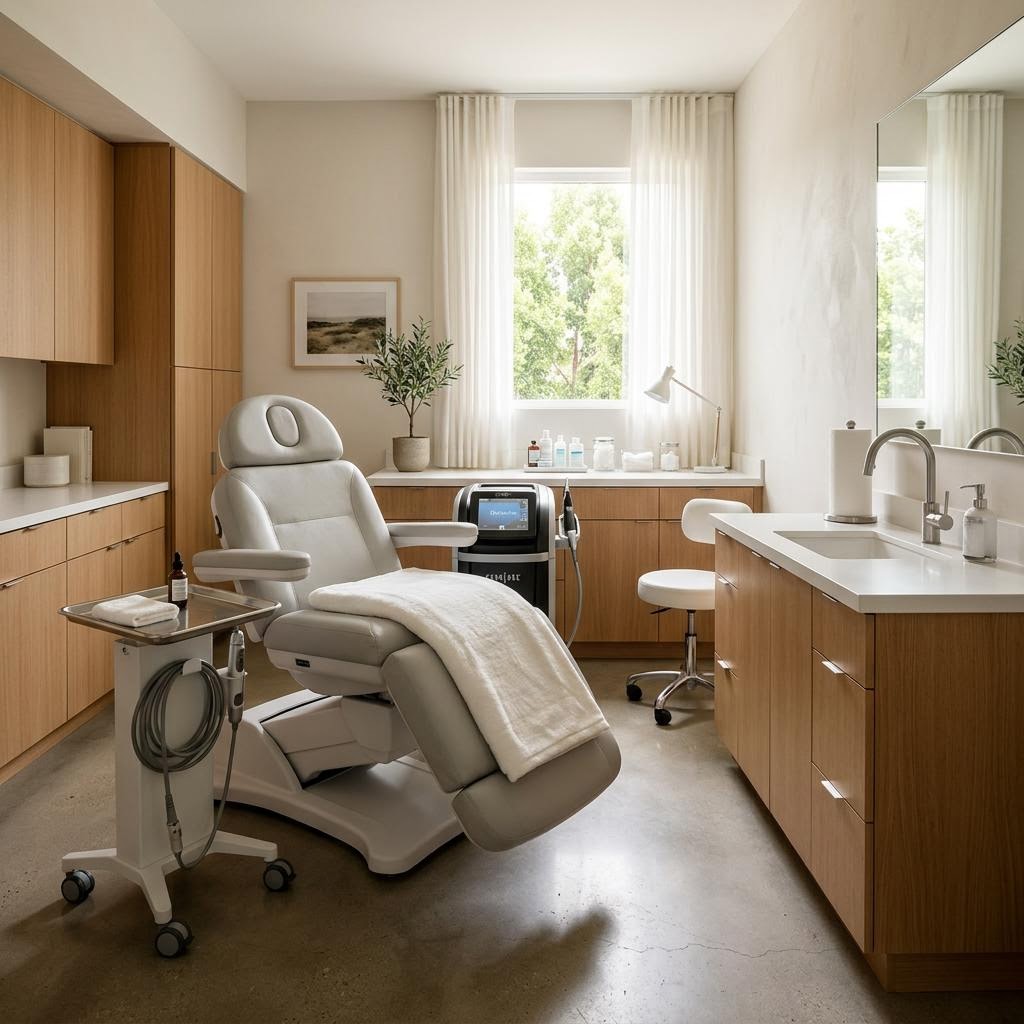
A medical spa is a medical practice that happens to look like a spa. The building permit gets the rooms built correctly. It does not decide who may inject, who may fire a laser, or who may own the practice.
Ocean Permits & Development is a women-owned permit coordination firm that helps medical aesthetics operators, physicians, nurse practitioners and landlords move a medspa buildout through plan check and inspection in Los Angeles. We coordinate the construction permits, the zoning questions and the agency sequence so the space is ready when the clinical team is. Call 213-277-8777 with the address, the lease plan and a list of the treatments you intend to offer.
The Medical Board of California states that medical spas offering medical procedures are medical practices and describes physician-ownership requirements. Its medical-spa guidance identifies physicians and appropriately supervised registered nurses or physician assistants as qualified medical personnel for the procedures it discusses. It also states that estheticians and cosmetologists may not inject or operate medical lasers. Have qualified healthcare counsel evaluate the actual ownership, professional scope and supervision model, including any practitioner-specific rules. A building permit does not answer those clinical licensing questions.
This page focuses on the physical facility: the tenant improvement, the use and zoning review, the trade work behind lasers and body-contouring devices, accessibility, ventilation, signage and the fire questions that depend on what actually happens in the rooms. If your project is a conventional physician or dental office, or a surgical or urgent care facility, the sister services linked below are a better fit.
What a building permit can and cannot establish
LADBS issues permits for construction: walls, doors, ceilings, electrical circuits, plumbing fixtures, mechanical systems and the accessibility upgrades that come with alterations. Plan check confirms that the drawings comply with the California Building Code and the Los Angeles amendments, and inspections confirm that construction matches the approved drawings. The certificate or final sign-off says the space was built lawfully for the reviewed occupancy.
A finaled permit does not authorize anyone to practice medicine, perform injections, operate a Class IV laser or administer sedation. Clinical ownership structure, the medical director arrangement, supervision protocols, scope of practice for each licensee and any outpatient or sedation licensing are matters for qualified healthcare counsel and the relevant licensing bodies. Ocean Permits is a permit coordination firm; we are not healthcare counsel and we do not certify clinical compliance. We will, however, keep the building record consistent with the operating model your counsel confirms.
How a medspa differs from a medical office or surgical center
Many medspas are, from a building standpoint, a form of outpatient office: treatment rooms, a consult room, reception, storage and staff areas, with patients who walk in and walk out. That profile usually aligns with a business occupancy in Chapter 3 of the California Building Code, but the classification is determined by the actual operations, not by the name on the door. Our medical and dental office permit service covers conventional practices with similar room programs.
The picture changes if patients are rendered incapable of self-preservation, for example under general anesthesia or certain levels of sedation, or if the operator plans surgical procedures. Those conditions can point toward an ambulatory care classification with added fire separation, egress, sprinkler and alarm expectations, and potentially separate facility licensing. That work belongs with our surgical center and urgent care permit service. We identify early which side of that line your treatment menu falls on, using your clinical team's written description of each procedure and the level of patient sedation, if any.
Treatment programs and the rooms they need
Each service line has different design implications. The drawings should be built around the real treatment menu so the architect and engineers size circuits, sinks, ventilation and room dimensions correctly the first time.
- Neurotoxin and filler injection rooms: compact treatment rooms, handwashing access, clean storage, a lockable area for medications and supplies, and sharps and medical-waste handling planned in the layout.
- Laser resurfacing and laser hair removal: room size and door placement suited to the device, window and glazing treatment where the device's safety program calls for it, dedicated circuits and, for some resurfacing devices, local smoke or plume evacuation.
- Radiofrequency, microneedling RF and body contouring: higher-amperage or dedicated circuits, device clearances, heat load on the HVAC system and treatment tables sized for the device workflow.
- IV wellness lounges: recliner spacing, clear paths for staff and emergency response, accessible routes, handwash locations and refrigerated storage, with the clinical protocol defined by your medical team.
- Consult, photo and recovery areas: privacy, acoustics and accessibility, plus a defined route from treatment to exit.
Use, zoning and when a discretionary approval comes up
In the City of Los Angeles, City Planning administers the zoning code and LADBS checks zoning at plan check. A medspa in a commercial center is frequently reviewed as a medical or office-type use, while a spa limited to non-medical esthetic services may be treated as a personal service or retail-type use. The label you choose in a lease does not control; the reviewer looks at what the business does. A change from retail to medical use can trigger parking review, a change of use or occupancy on the permit, and accessibility upgrades.
We do not tell clients that every medspa needs a conditional use permit, and we do not tell them none do. Whether any discretionary approval applies depends on the zone, any specific plan or overlay, prior entitlements on the parcel, conditions of approval in the shopping center and the precise use. We review the parcel's zoning information through City Planning's ZIMAS and zoning resources, and when the answer is unclear we seek clarification before you commit to a lease.
Electrical: start from the equipment specifications
Medical aesthetic devices are often the largest unknown in the electrical design. Lasers, RF platforms and body-contouring systems can require dedicated circuits at specific voltages, particular receptacle configurations and adequate panel capacity, and some require cooling or exhaust connections. The engineer of record needs the manufacturer's installation and site-preparation documents for each device, and the equipment should carry an appropriate listing from a nationally recognized testing laboratory.
Order the devices or at least secure their site-preparation sheets before electrical drawings are finalized. Swapping a device after approval can mean revised drawings, a new panel schedule and a re-inspection. Also confirm whether the building's existing service can carry the added load; a service upgrade can involve the landlord and the utility and adds time that is easy to underestimate.
Plumbing, handwashing and accessibility
Handwash sinks in or near treatment rooms, staff restrooms, janitorial facilities and any clean or soiled utility areas all affect plumbing layout and fixture counts. In an existing shell, the location of waste lines and the cost of trenching a slab can determine where treatment rooms go. We flag those tradeoffs early with your designer.
Accessibility under California Building Code Chapter 11B applies to the alteration and, depending on scope, to path-of-travel improvements serving the area: entrance, parking where provided, restrooms, reception counters, routes to treatment rooms and door hardware. Treatment rooms need clear floor space and maneuvering clearances, and accessible exam or treatment surfaces are a frequent conversation for medical uses. Chapter 10 governs egress: exit widths, travel distance, door swing and hardware, corridors and exit signage, which matter when a suite is divided into many small rooms.
Ventilation, plume and mechanical permits
Heat from lasers and RF devices, room-by-room comfort, outside air requirements and any local plume evacuation all touch the mechanical design. Splitting an open retail space into eight closed rooms usually requires rebalanced or new ductwork, supply and return in each room, and sometimes additional rooftop capacity. Energy code compliance documentation goes with the mechanical scope.
Treat device-level smoke evacuators as equipment governed by the manufacturer's instructions and your clinical safety program, and coordinate any ducted exhaust with the mechanical engineer. Our commercial HVAC and mechanical permit service handles unit replacements, rooftop work and the related structural checks.
Fire review, medical gases, nitrous oxide and sedation
A medspa is not presumed exempt from fire review. Sprinkler head relocation for new walls, fire alarm modifications, extinguishers, exit signage and storage of flammable products all may involve the fire authority, which in the City is the Los Angeles Fire Department. Requirements depend on the building's existing systems and your scope.
Medical gas review is conditional. If the clinic will store or use oxygen, nitrous oxide or other compressed gases, the quantities, cylinder storage, piping if any, and room location can bring in California Fire Code provisions and further review. Nitrous oxide for comfort, oral sedation or IV sedation is first a clinical and licensing question for your counsel; if the answer means patients may be incapable of self-preservation, the building may need to be designed as ambulatory care. We base the submittal on the operations your clinical team confirms in writing, not on assumptions.
County Environmental Health: what is and is not regulated as body art
There is no universal LA County Environmental Health license for medspa or cosmetic treatment rooms, and neurotoxin or filler injections are not body art. The County's body art program covers tattooing, body piercing, permanent cosmetics and microblading, and requires a facility permit with plan check plus practitioner registration for those services.
If your menu includes permanent makeup, microblading or similar services, ask County Environmental Health, or the health department of a city that operates its own, to confirm what applies to that specific service before you design the room. Medical waste, including sharps, is a separate regulatory program with its own registration and handling requirements. We help you get the right question to the right agency rather than assuming coverage.
Signage and storefront changes
Wall signs, illuminated channel letters, blade signs and window graphics may need sign permits, electrical permits for illumination and landlord approval, and some areas have sign districts or design review. Claims made on signage about medical treatments may also have professional-advertising implications for the licensee. See our guide to sign permits in Los Angeles for the building-side process.
1. Feasibility before the lease
Send the address, a floor plan and the treatment menu. We review zoning and prior permits, identify the likely occupancy, check parking and accessibility exposure, and note whether the menu raises sedation, gas or body-art questions to route to counsel or Environmental Health. A permit feasibility study is the right tool when the lease is not yet signed.
2. Drawings built from devices and protocols
Your architect and engineers prepare the tenant improvement set using device site-prep sheets and the room program. We coordinate the landlord's approval, organize the submittal package and plan the order of building, electrical, plumbing, mechanical, fire and sign permits.
3. Plan check, corrections and permit issuance
We submit, track corrections, coordinate responses with the design team, and pay attention to the items that usually stall medical buildouts: occupancy questions, path-of-travel scope, panel capacity and fire sprinkler coordination.
4. Inspections and opening
We help sequence rough and final inspections, fire sign-offs and sign installation so the final building approval lines up with your clinical launch. Your clinical, licensing and medical-waste arrangements run in parallel under your counsel and medical director.
Common mistakes on medspa projects
The expensive mistakes are made early: signing a lease without checking use and parking, designing rooms before knowing the devices, describing the business as retail to avoid review and then installing medical equipment, or adding nitrous or IV sedation late without reconsidering the occupancy. Another frequent problem is assuming that a building permit or a business license authorizes the clinical services. Ocean Permits coordinates the permit process; we cannot guarantee approvals or timelines, waive requirements, or provide legal or medical licensing advice.
Permits, agencies and how fees are determined
Government fees below are set by each agency and are separate from design, construction, equipment and the Ocean Permits coordination proposal. We do not publish estimated fee amounts that the agency has not calculated for your project.
| Item | Agency | Fee basis | Note |
|---|---|---|---|
| Tenant improvement building permit and plan check | LADBS (City of LA) or local building department | Agency fee schedule, generally based on project valuation and scope | Occupancy per CBC Chapter 3 based on actual operations |
| Electrical, plumbing and mechanical permits | LADBS or local building department | Agency schedule based on fixtures, circuits, equipment and scope | Device site-prep sheets drive electrical design |
| Zoning and use review | LADBS zoning plan check; City Planning where needed | Included in plan check, or Planning fee schedule if a discretionary case is required | Case-specific; no blanket CUP requirement |
| Fire sprinkler, alarm and life-safety review | LAFD in the City; serving fire authority elsewhere | Agency fee schedule for the reviewed scope | Medical gas review conditional on actual gases and quantities |
| Sign permits | LADBS; sign district or design review where applicable | Agency schedule by sign type and illumination | Landlord approval often required first |
| Body art facility permit (only if offering such services) | LA County Environmental Health or city health department | Current County fee schedule | Not applicable to injections or lasers |
| Clinical, ownership and sedation licensing | Licensing bodies, as advised by healthcare counsel | Not a building permit fee | Outside expediter scope |
Confirm current fees and requirements directly with each agency before payment.
Illustrative timeline and dependencies
| Stage | Illustrative coordination allowance | Key dependency |
|---|---|---|
| Feasibility, zoning and occupancy screen | 1-3 weeks | Address, prior permits and a written treatment menu |
| Design and engineering | 4-8+ weeks | Device site-prep sheets, landlord standards and room program |
| Plan check and corrections | Varies by agency workload and correction rounds | Completeness of drawings and timely responses |
| Construction and inspections | 6-12+ weeks | Contractor schedule, equipment delivery, fire sign-offs |
| Discretionary Planning case, if required | Case-specific, often months | Zone, overlays and hearing requirements |
These are illustrative coordination durations, not agency service commitments or guarantees. Actual timing depends on the agencies, the design team and the scope.
Frequently Asked Questions
Is a medical spa a medical practice in California?
According to the Medical Board of California, a medical spa that offers medical procedures such as injections or medical laser treatments is a medical practice, subject to physician-ownership rules and supervision of qualified licensees. Confirm your structure with healthcare counsel.
Does my building permit authorize Botox, filler or laser treatments?
No. A building permit covers construction of the space. Authority to perform treatments comes from professional licensure and the rules governing medical practice, not from LADBS.
Do I need a County Environmental Health permit for injection rooms?
There is no universal County medspa or cosmetic-room license, and injections are not body art. The County body art program covers tattooing, piercing, permanent makeup and microblading. If you offer those, confirm requirements with the health agency before designing the room.
Does every medspa need a conditional use permit?
No blanket rule applies. Whether a discretionary approval is needed depends on the zone, overlays, prior entitlements and the actual use. We check the parcel before you sign a lease.
When could a medspa be classified as ambulatory care?
Classification depends on actual operations. If patients may be rendered incapable of self-preservation, for example through certain sedation, the space may need ambulatory care design. Your clinical team and counsel define the sedation model; we design the submittal around it.
What electrical information do lasers and RF devices need?
The manufacturer's site-preparation and installation documents, including voltage, amperage, receptacle type and any cooling or exhaust needs, plus confirmation of listing. The electrical engineer designs circuits and panel capacity from those documents.
Will the fire department review a medspa?
Often, yes. Sprinkler and alarm changes, exit signage and any storage or use of oxygen, nitrous oxide or other compressed gases may involve the fire authority. A medspa is not presumed exempt.
How is a medspa different from your medical office or surgical center services?
Medspa projects center on aesthetic treatment rooms, device power and retail-to-medical use changes. Conventional clinics fit our medical and dental office service, while surgical, sedation-heavy or urgent care facilities fit our surgical center and urgent care service.
Relevant Ocean Permits Resources
Plan your medspa buildout before you sign the lease
Call 213-277-8777 for an initial consultation with Ocean Permits & Development, a women-owned permit coordination firm. Bring the address, floor plan, device list and treatment menu for a separate written coordination proposal.
Free Initial ConsultationCall 213-277-8777
Official sources
Agency requirements and fees change. Confirm current rules with each agency and with qualified healthcare counsel for your project.
Medical Board of California: Medical Spas
LA County Environmental Health: Body Art